

CONVERTING FOR INDUSTRIAL APPLICATIONS
Converting: processes and materials
Converting processes suitable base materials into dimensions, shapes, material structures and delivery formats tailored to an application. Krückemeyer GmbH processes adhesive tapes, technical films, foams and coated abrasives, among other materials.
Do you need a die-cut part, a cut length, a winding format or a laminate? The intended function, shape, dimensions and subsequent handling are the starting points. The process sections guide you towards a suitable manufacturing option.
01
CONVERTING PROCESSES AND MATERIALS
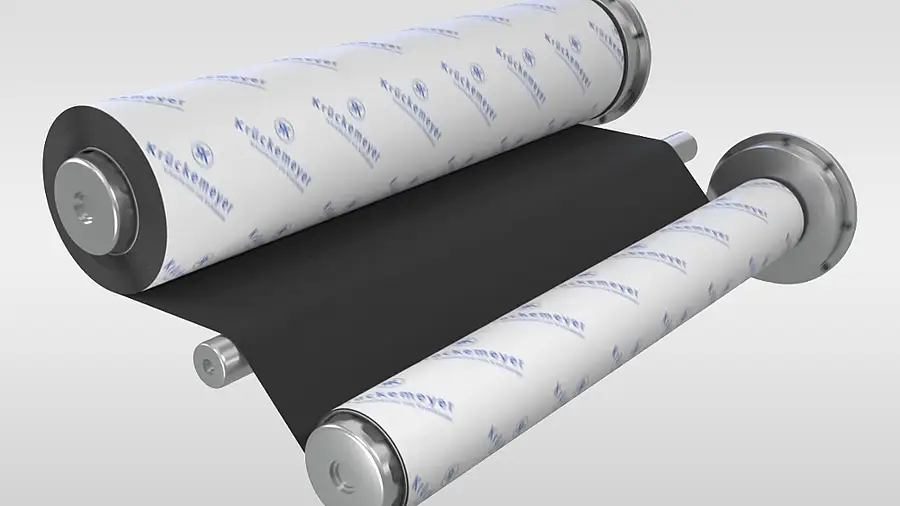
Converting by material
Assess adhesive tapes, technical films, foams and coated abrasives as base materials for your application.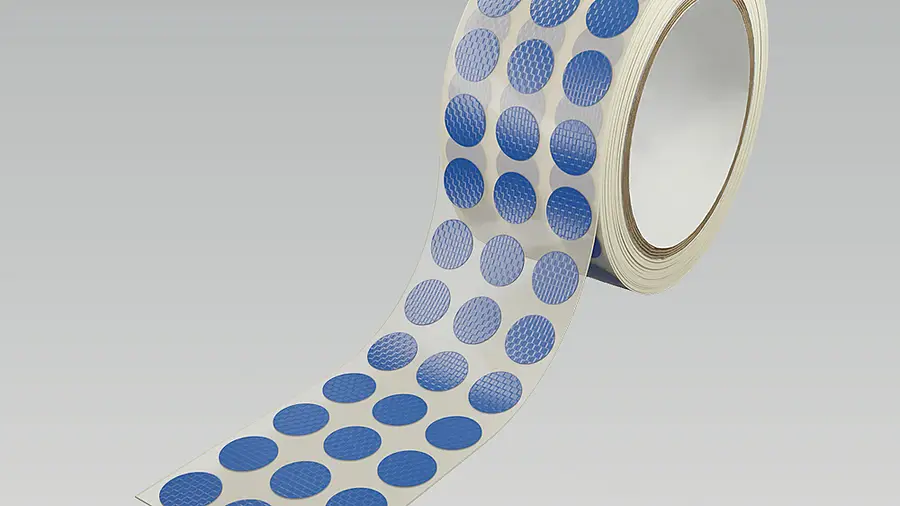
Die cutting
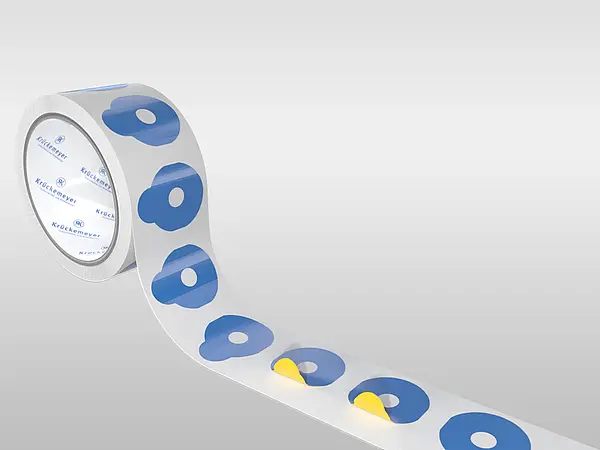
Plan shaped parts from suitable base material and consider delivery on a roll, on sheets or as individual parts.
Laser cutting
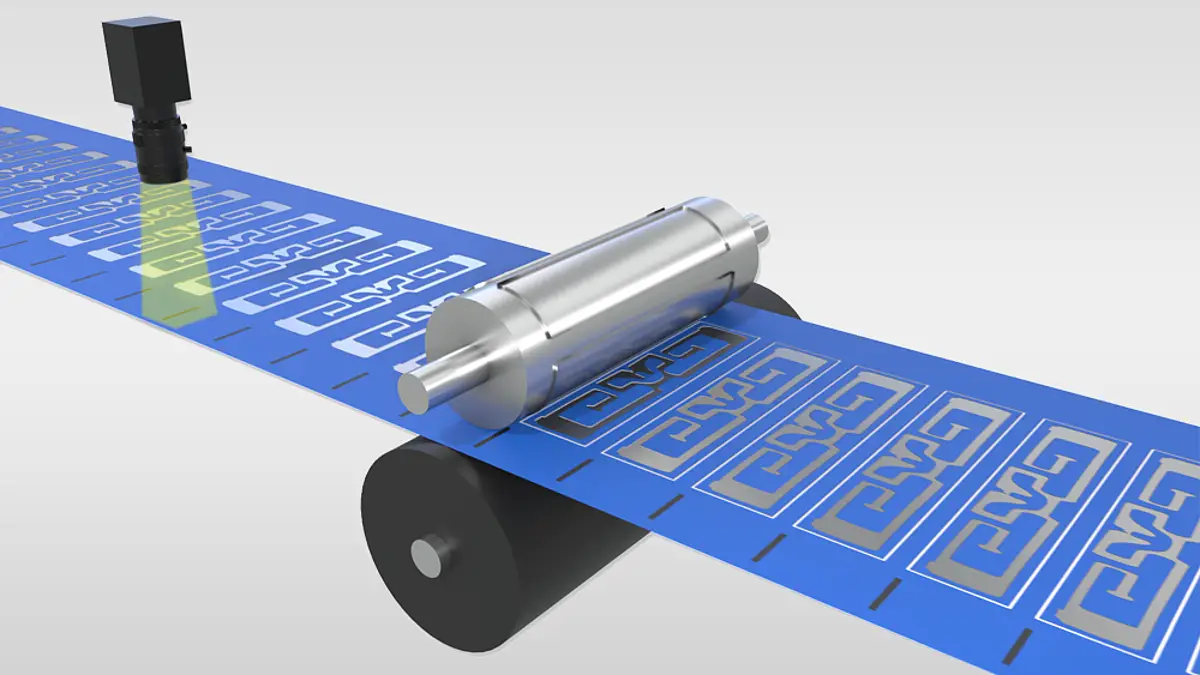
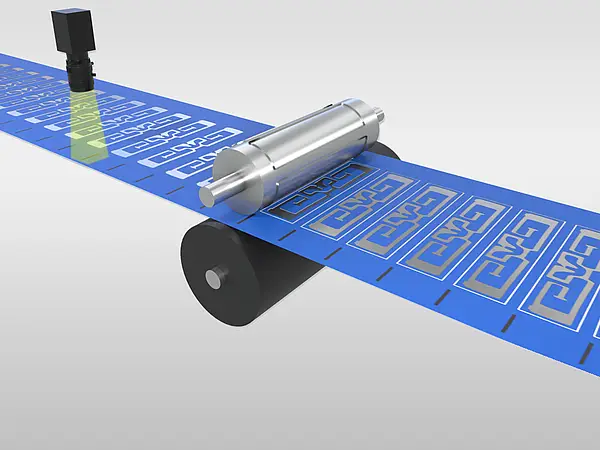
Process shapes and internal contours in suitable base material; the required shape and dimensions guide the choice of process.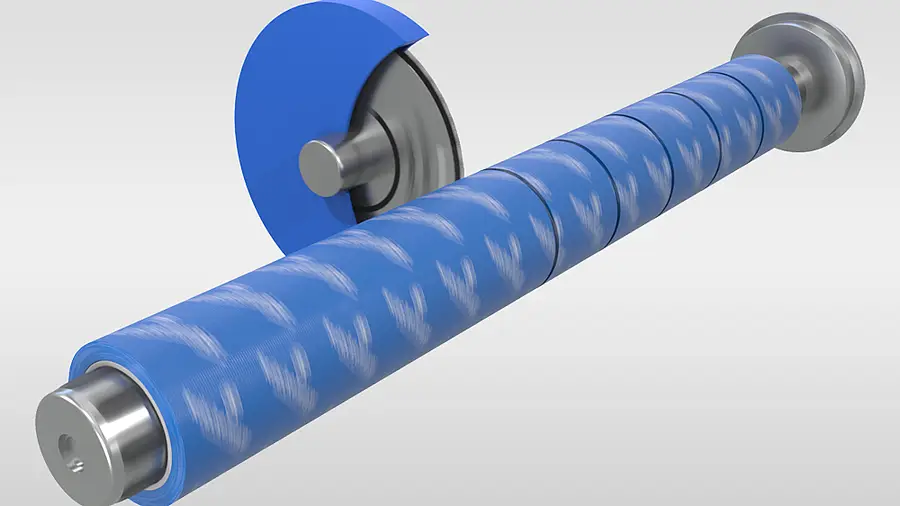
Slitting & cutting to size
Adapt roll widths, strips and sheet cuts to the required dimensions and subsequent processing.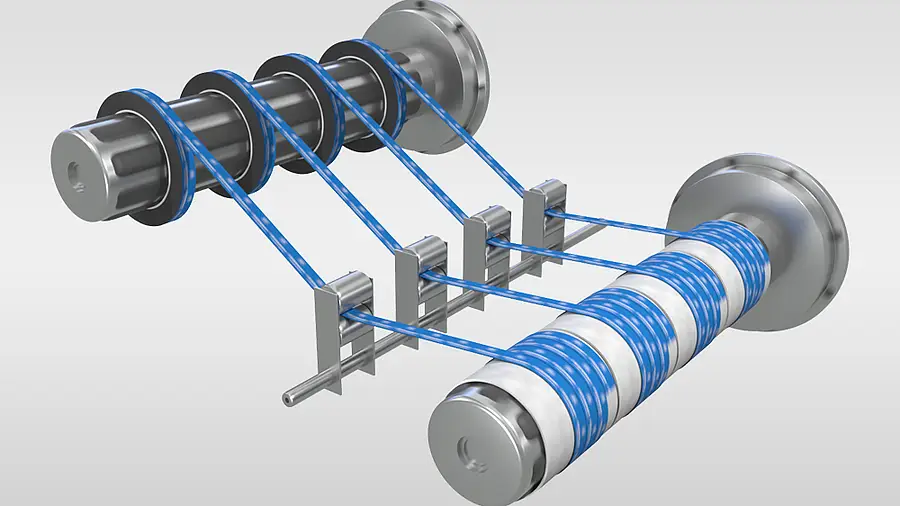
Winding & rewinding
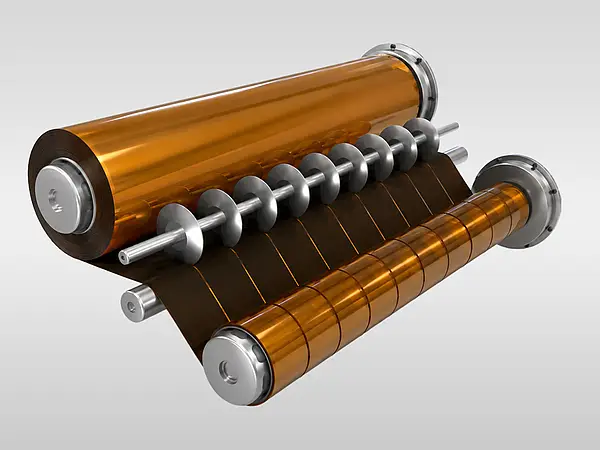
Prepare material in suitable lengths and winding formats, such as a long roll or cross-wound spool.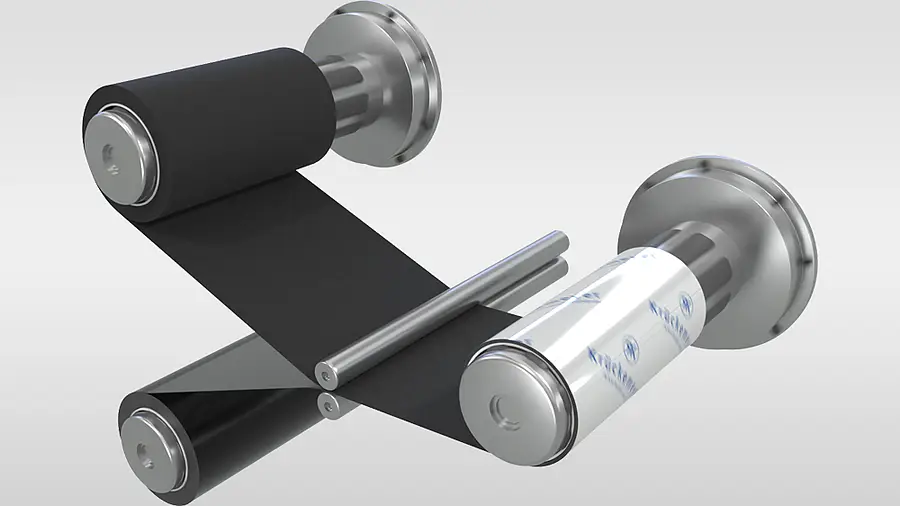
Laminating & finishing
Combine materials into laminates, add a self-adhesive finish or include processing aids.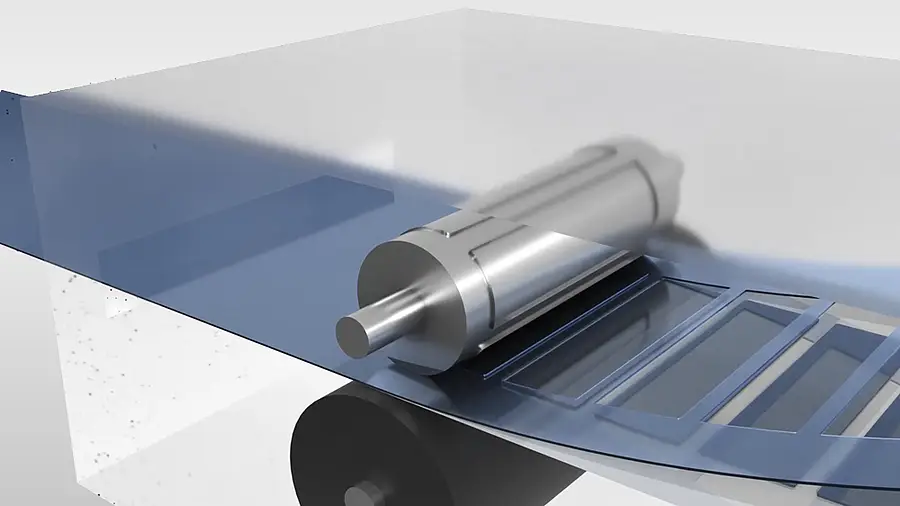
Technical cleanliness
Assess converting for technical cleanliness requirements; a cleanroom classified as ISO 9 is available.02
Finding the right area
Which converting section fits your application?
Start with the required process: die cutting and laser cutting produce contours, slitting and cutting to size provide widths or cut pieces, and winding and rewinding address the delivery format. Laminating and finishing combine materials or add processing aids. If the production environment is decisive, explore technical cleanliness. If you need to choose the base material first, start with converting by material. We assess the specific design against the required shape, dimensions and later application.
03
QUESTIONS ABOUT CONVERTING AND FORMATS
Can non-adhesive materials also be converted?
Yes, suitable non-adhesive base materials may also be considered for converting. What matters is whether the specific material suits the required process and its later application. Tell us which base material you intend to use, along with the desired shape, dimensions and delivery format. We assess these details to identify a suitable manufacturing process and the limits that apply to your individual project.
Can die-cut parts be supplied on rolls, sheets or individually?
Yes, die-cut parts on rolls, die-cut parts on sheets and individual parts are possible delivery formats in converting. The suitable format depends on the base material, the required contour and dimensions, and the way the parts will later be processed. Describe these requirements in your enquiry. We assess the appropriate format for the individual application rather than assuming that every format suits every material.
Can materials be given a self-adhesive finish?
Yes, suitable materials can be given a self-adhesive finish through converting. Whether this is feasible for your base material and its later application needs individual assessment. Tell us which material you plan to use, the shape and dimensions you need, and how the result will be processed. These details help identify a suitable design and manufacturing process for your particular enquiry.
Which processing aids are possible in converting?
Processing aids can support the later application of a converted part. Possible options include finger lifts, pull tabs, positioning aids and fixing aids. Which aid is useful depends on the material, shape and the specific processing step. Describe how the part will be positioned and processed in your application. We assess a suitable design for the individual case.
Discuss your converting requirements
Tell us about the base material, required shape and dimensions, and how the result will be handled. We will assess the process, format and suitable processing aids with you.

ADHESIVE TECHNOLOGY ADVICE
Thomas Klein
Contact for converting
Discuss the base material, required format and subsequent processing of your converted part with Thomas Klein.