

Sanding belt converting
Cut sanding belts to the width and length your application needs
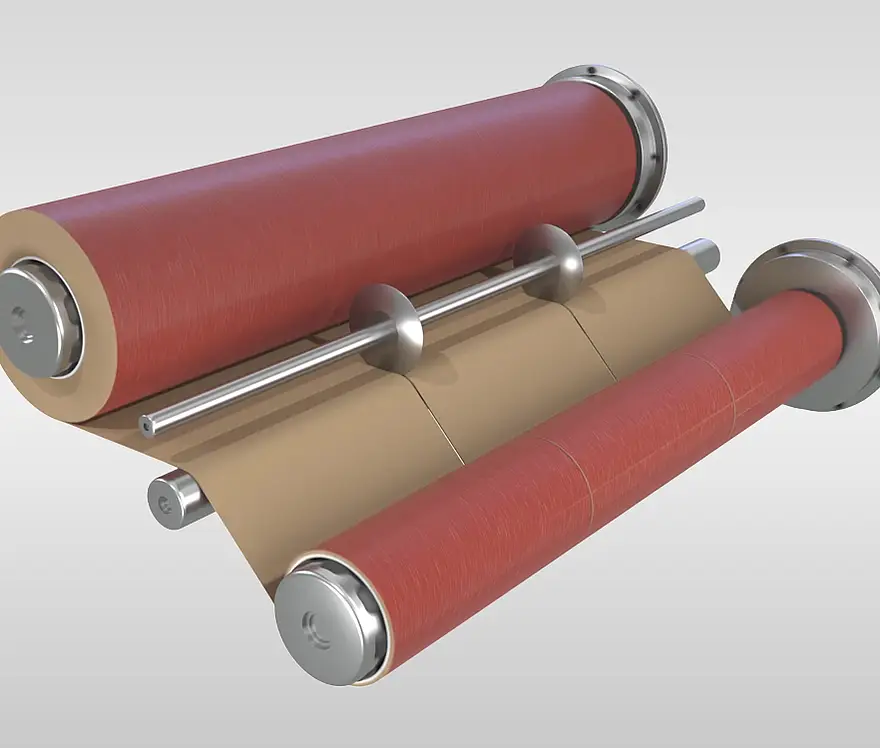
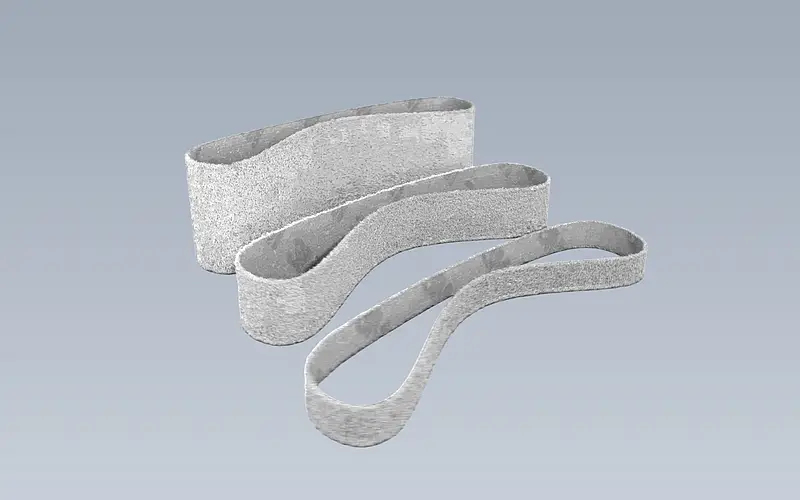
Krückemeyer GmbH cuts coated abrasives to the width and length required for sanding belts. We match the backing, belt dimensions and joint to your machine and sanding task.
6–610 mm
Overall belt width range
283–16.500 mm
Overall belt length range
45°–90°
Joint angle
01
Sanding belt cutting
From coated abrasive to a belt that fits
A sanding belt has to suit the machine, the sanding task and the chosen abrasive. Cutting sets the width and length of the coated abrasive for the required belt design. A bonded butt joint then turns the cut material into a continuous belt.
Krückemeyer processes coated abrasives with paper, cloth, non-woven and film backings. The appropriate grade and grit depend on the application; cutting itself does not change the abrasive's material properties.
The documented overall range for sanding belts is 6–610 mm in width and 283–16,500 mm in length. The limits cannot be combined at will. We check your combination of backing, dimensions and joint before defining production.
02
From dimensions to finished belt
Step 01
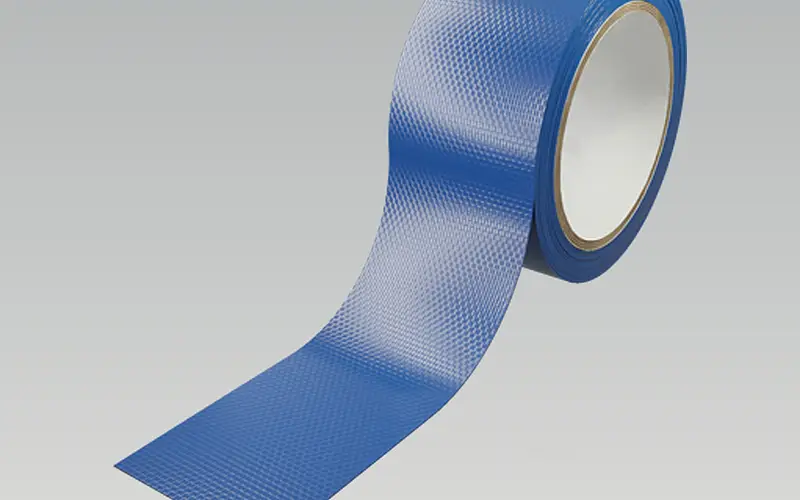
Define the belt requirement
Tell us the machine, sanding task, coated abrasive and required belt dimensions.
Step 02
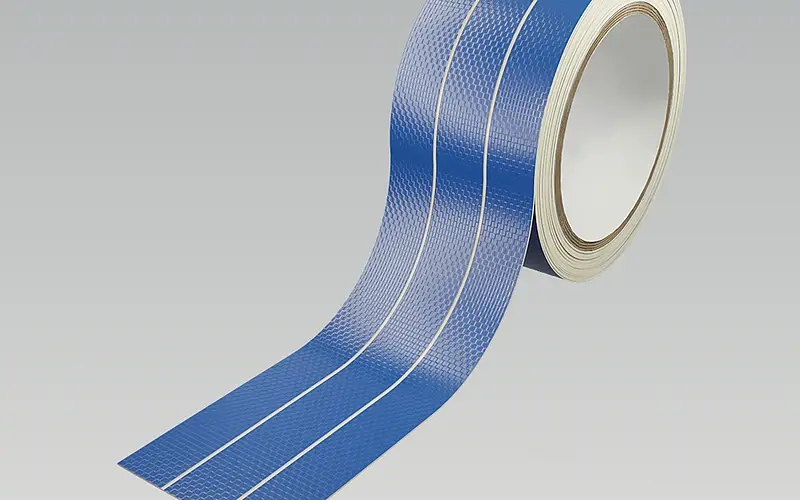
Check dimensions and backing
We assess whether the chosen backing, width and length work together within the documented production range.
Step 03
Agree on the joint
We determine the straight or wave cut, joint angle and joint film for the specific belt.
Step 04
Make and check the belt
The cut material is bonded edge to edge and pressed; tensile strength is sampled for each batch.
03
Cutting and belt joints
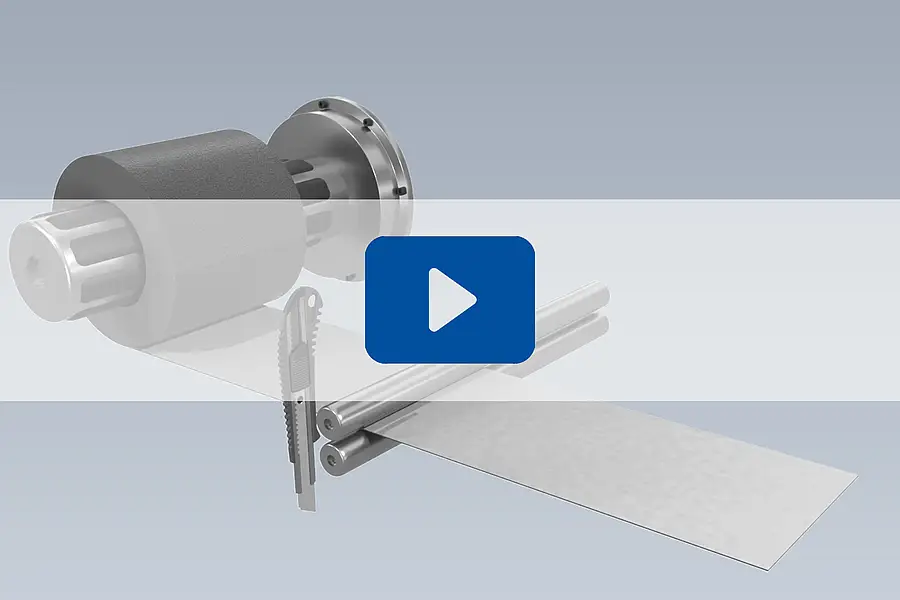
Belt width and length
Both dimensions follow the sanding machine. Combining extremes of the overall range requires a specific review. Enquire about dimensions →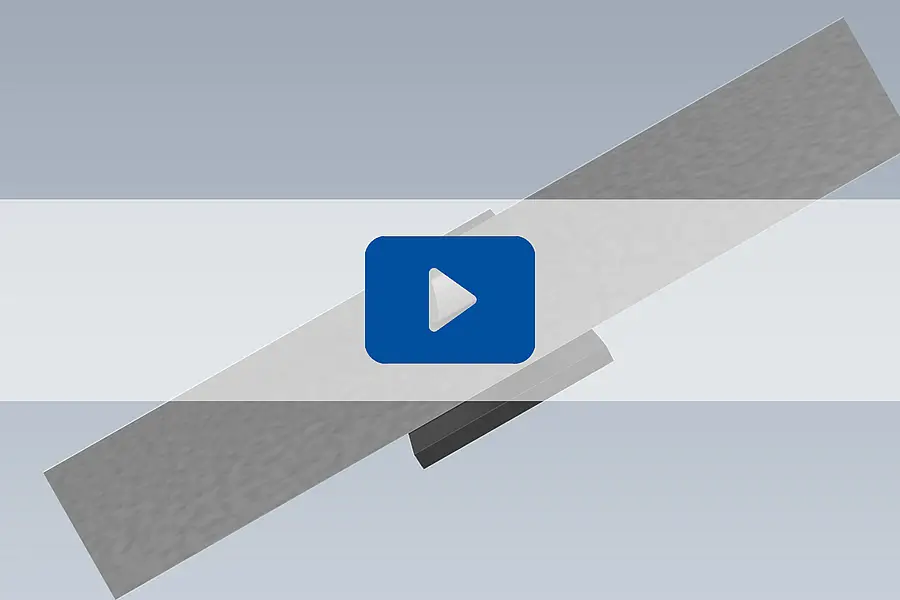
Straight-cut belt joint
A straight cut is a documented joint form for the bonded butt joint. Discuss the joint →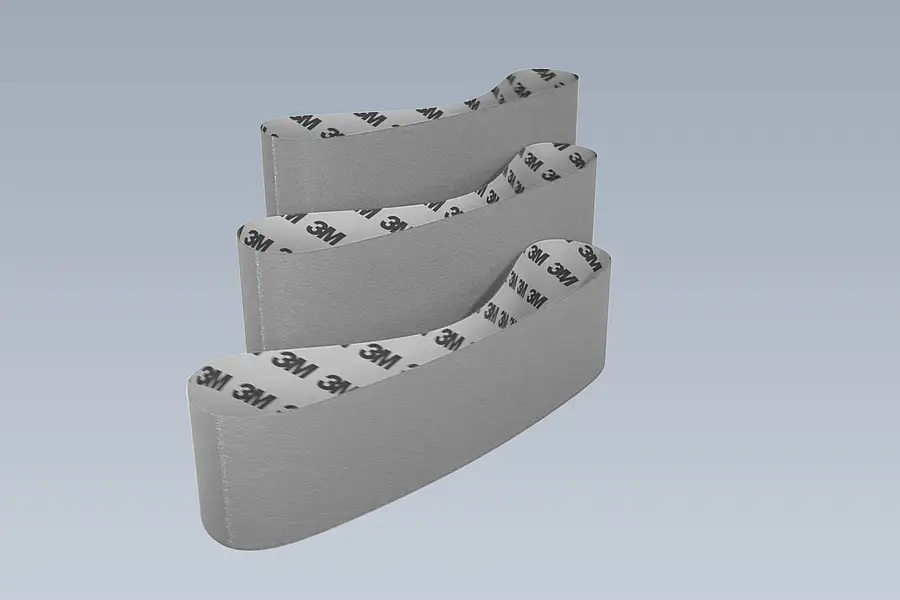
Wave-cut belt joint
A wave cut is also documented; we check whether it suits the backing and the application. Enquire about wave cut →04
Possible sanding belt formats
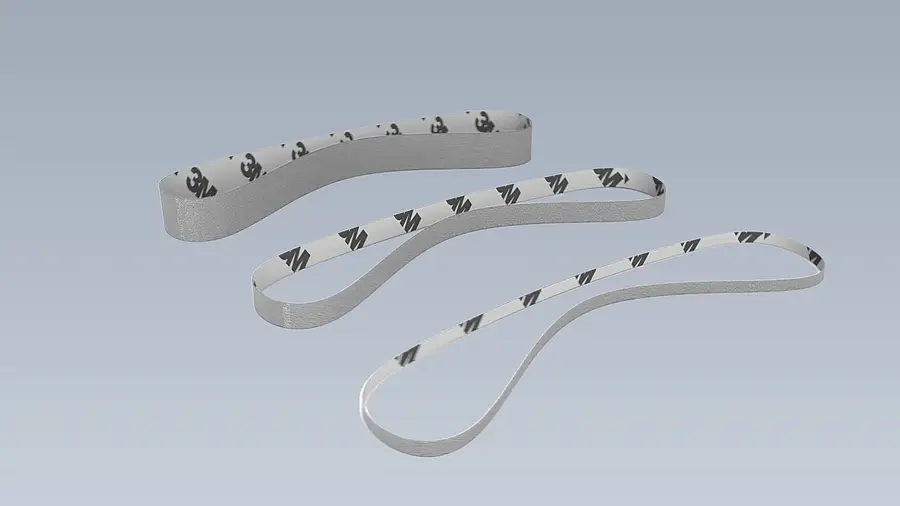
File belt
A narrow continuous belt for a suitable sanding machine. The dimensions and abrasive follow the application. Enquire about file belts →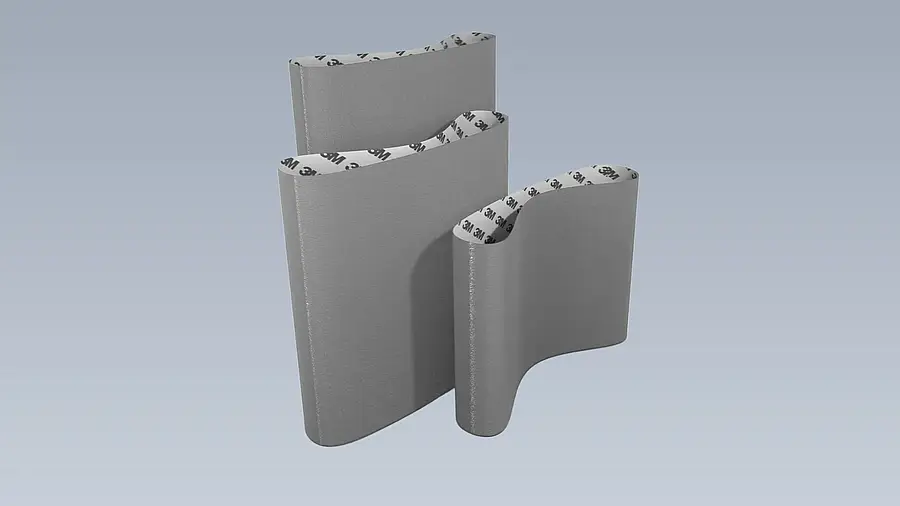
Wide belt
A wide sanding belt as a possible supplied format. We check the dimensions against the backing and machine. Enquire about wide belts →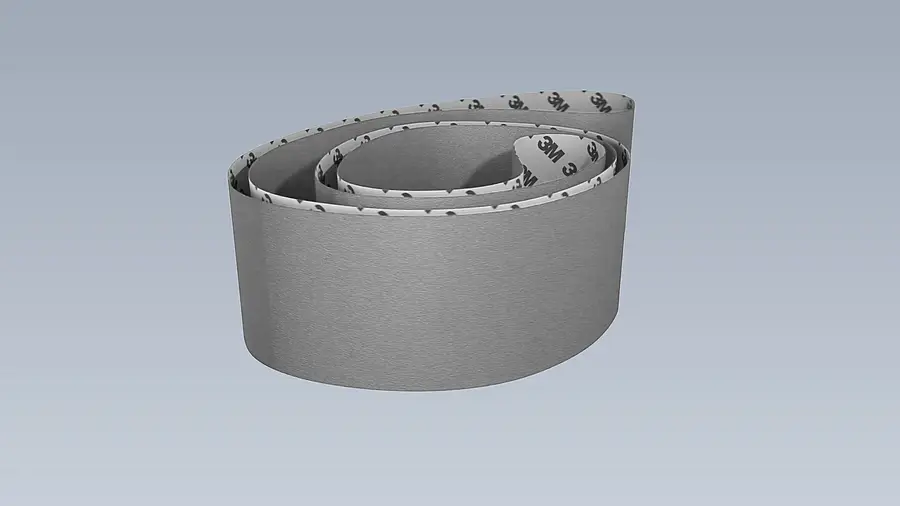
Long belt
A continuous long belt for an appropriate sanding task. Length, width and joint must be defined together. Enquire about long belts →05
Materials for belt cutting
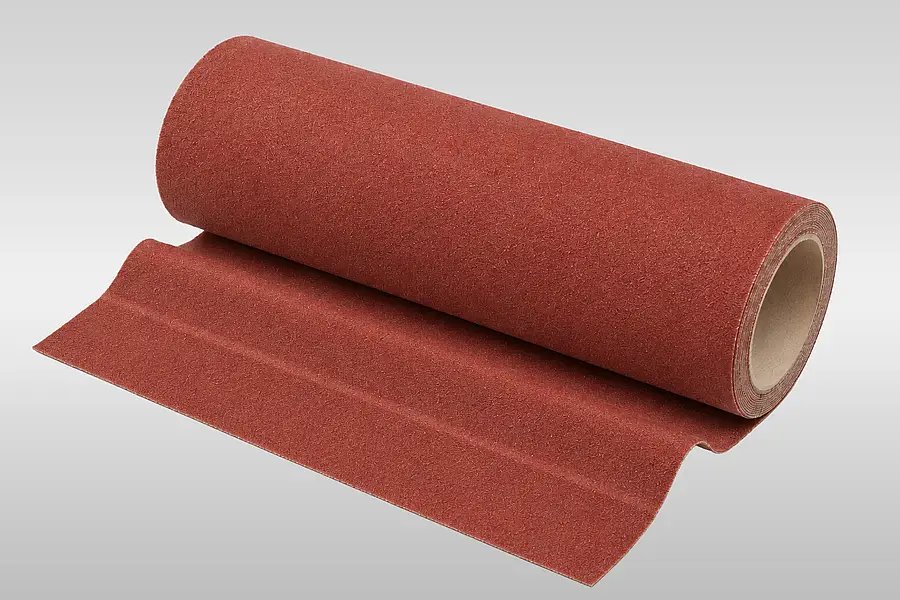
Abrasive cloth
Abrasive cloth is a documented material for belt production. The specific grade follows the sanding task.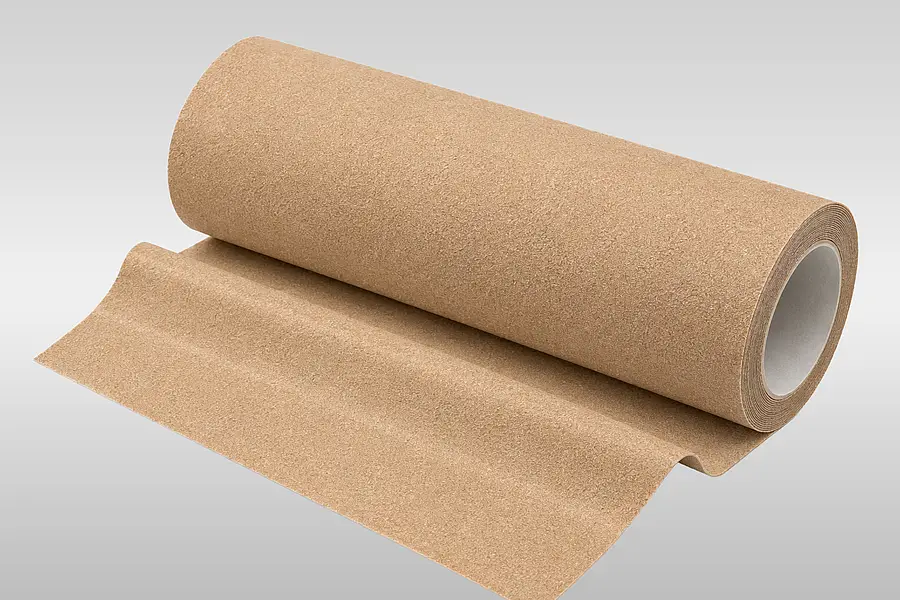
Abrasive paper
Abrasive paper is among the documented materials. Tell us its backing and grit in your enquiry.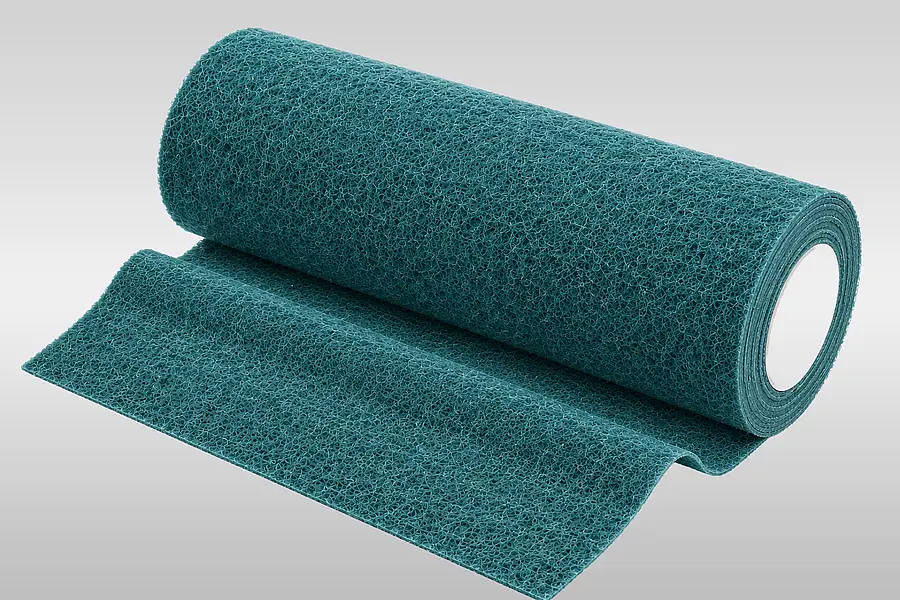
Non-woven abrasive
Non-woven material is documented; we check the specific belt design for your application.
Film-backed abrasive
Film-backed abrasive is documented. The application and dimensions determine the specific belt design.06
Sanding belt cutting in pictures
07
Check dimensions and joint
| Check | Documented range | Relevant to your enquiry |
|---|---|---|
| Belt width | 6–610 mm | Machine width and required format |
| Belt length | 283–16.500 mm | Required running length and backing |
| Joint angle | 45°–90° | Agree with the belt joint design |
| Joint film | 67°/75° | Check separately from the joint angle |
| Joint form | Straight cut or wave cut | Choose for backing and application |
The limits cannot be combined at will
08
Information for your belt enquiry
Tell us the required belt width and length, the machine and the sanding task. If you have selected an abrasive, include its backing, grit and preferred belt format. If you need to replace an existing belt, describe its joint or send a sample.
Let us know whether you need a straight cut or a wave cut at the joint and what loads the belt will face. We use these details to check the backing, dimension combination and production method, then clarify any open points with you before production.
09
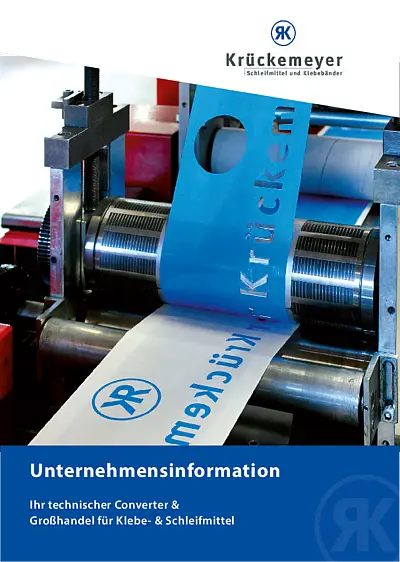
Company brochure on abrasives
10
Sanding belt cutting: common questions
What dimensions are possible when cutting sanding belts?
The documented overall range is 6–610 mm in width and 283–16,500 mm in length. These limits do not promise that every combination can be made. The coated abrasive, machine, belt geometry and joint all matter. Send us the required width and length together with details of the sanding task. We will check which design is suitable within the documented production range for your application.
Which materials can be converted into sanding belts?
Abrasive paper, abrasive cloth, non-woven materials and film-backed abrasives are documented coated abrasive materials. The material group alone does not determine the finished belt. We need to know the backing, grit, dimensions and sanding task. Those details help us assess which material suits the requested belt and its joint. Cutting does not create any additional material properties.
How is the sanding belt joint made?
Krückemeyer makes a conventional bonded butt joint. The reverse side is abraded, adhesive and joint film are applied to the back, and the joint is pressed. Straight and wave cuts are documented joint forms. The joint angle and the available joint films are separate parameters to be agreed for the particular belt. Tensile strength is sampled for each production batch.
What information do you need for a sanding belt enquiry?
Give us the belt width and length, machine and sanding task. If you have already selected an abrasive, include its material group, backing and grit. For an existing belt, a sample or details of its current joint are useful. Tell us whether you prefer a straight or wave cut. We can then review the backing, dimension combination and bonded joint, and clarify any open points before production.
Ask us to check your sanding belt
Send us the belt dimensions, backing and machine details. We will check the suitable format and bonded joint for your application.

Sanding belt advice
Jürgen Müller
Contact for converting
Jürgen Müller can discuss the backing, belt dimensions and joint for your sanding task.