

Plotter cutting of technical films
Film plotter cutting – custom contours from technical films
Krückemeyer GmbH uses plotter cutting to make custom two dimensional contours from suitable films, based on drawings or CAD data. The method is useful for samples, changing shapes and application specific parts; we assess the material and specification for your project.
01
Film plotter cutting
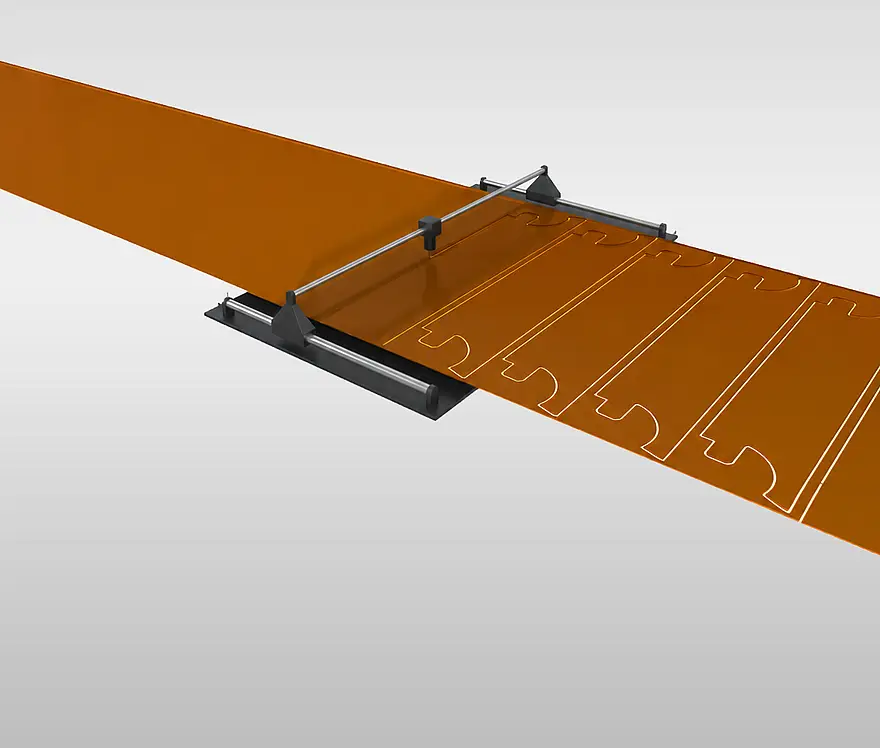
From film stock to a part with the required contour
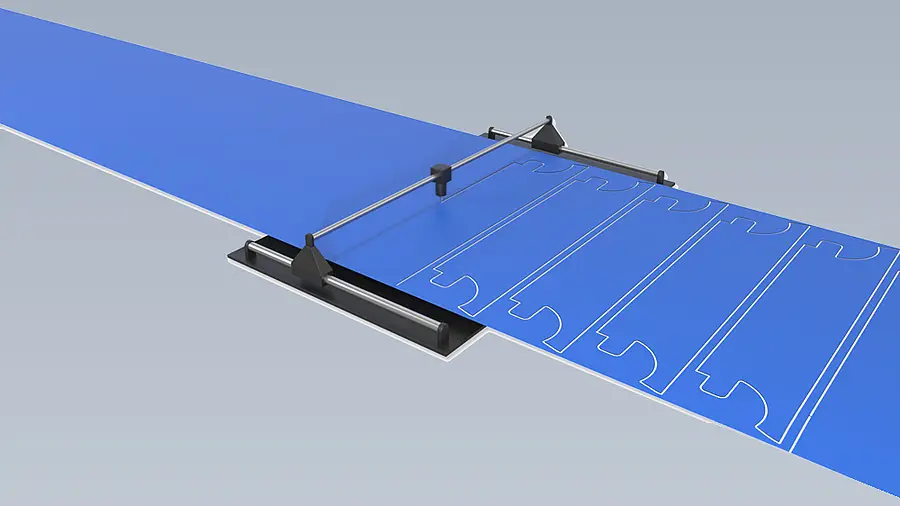
In plotter cutting, a cutting path follows a digital design. This produces two dimensional shapes from suitable film without a shape specific punching die. The contour, film structure and intended separation of the layers must be compatible.
For development work, samples or changing geometries, a new contour can be checked and adjusted using the design data. No punching die is needed; data preparation, setup and production remain separate work steps.
Whether an adhesive or non adhesive film is suitable depends on the carrier, layer structure, geometry, dimensions and subsequent handling. For repeat requirements, we also review the delivery format and, where appropriate, another contour cutting process with you.
02
From drawing to film part
Step 01
Describe the application and contour
Tell us the function, required shape, dimensions, quantity and handling of the film part. A drawing, CAD file or sample helps with the discussion.
Step 02
Assess the film and geometry
We assess whether the chosen film and its layer structure suit plotter cutting and which cut and delivery format is appropriate.
Step 03
Agree on the specification
We clarify the contour data and how the parts should be supplied. If needed, we agree on a sample for your functional test.
Step 04
Produce the film parts
Once the specification is agreed, suitable films are cut to the required contours and supplied in the agreed format.
03
Film plotter cutting options
Adhesive films
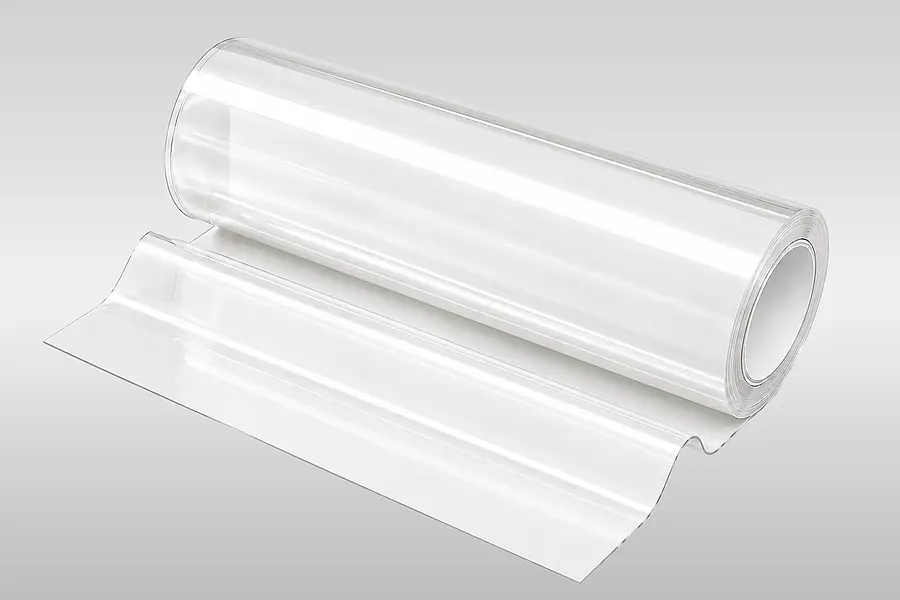
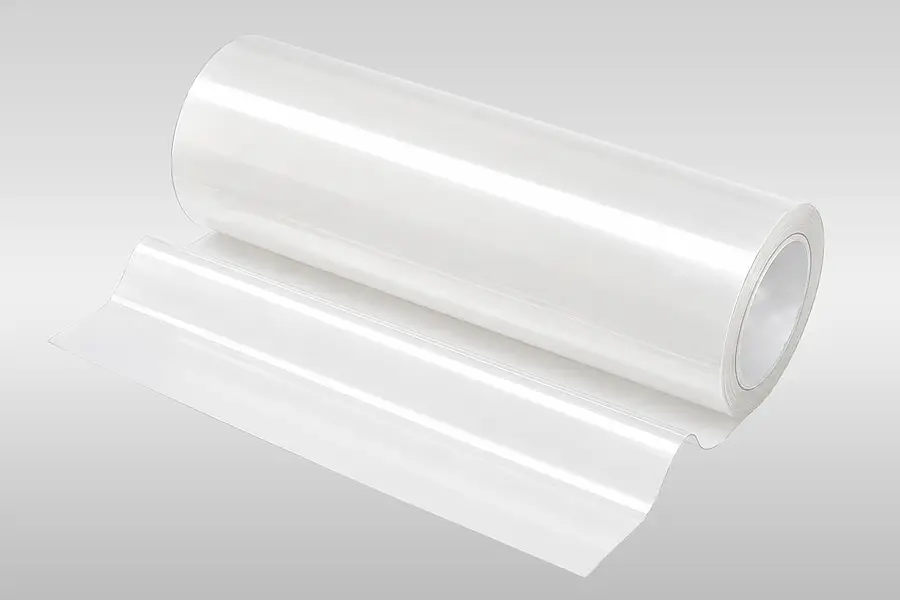
The contour can be cut from a suitable adhesive film. The film, adhesive layer, liner and intended separation of layers are decisive. Explore film converting →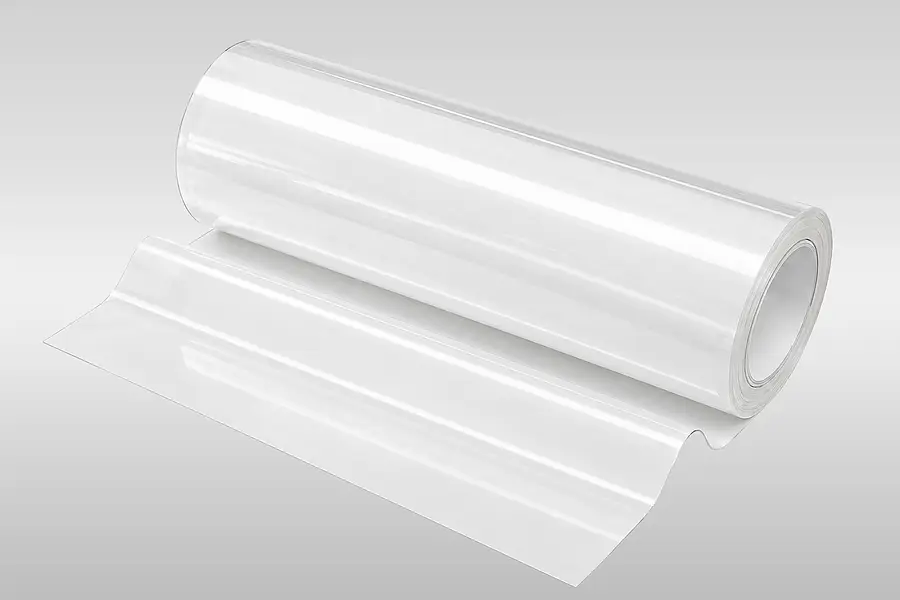
Non adhesive films
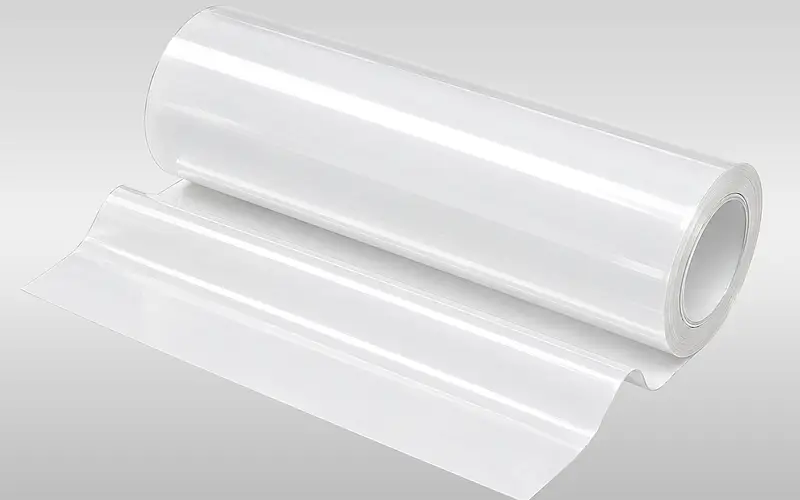
Non adhesive technical films may also be suitable stock. We assess the specific material before confirming whether the required contour can be plotter cut. Explore film converting →04
Possible film parts
05
Assess suitable film stock
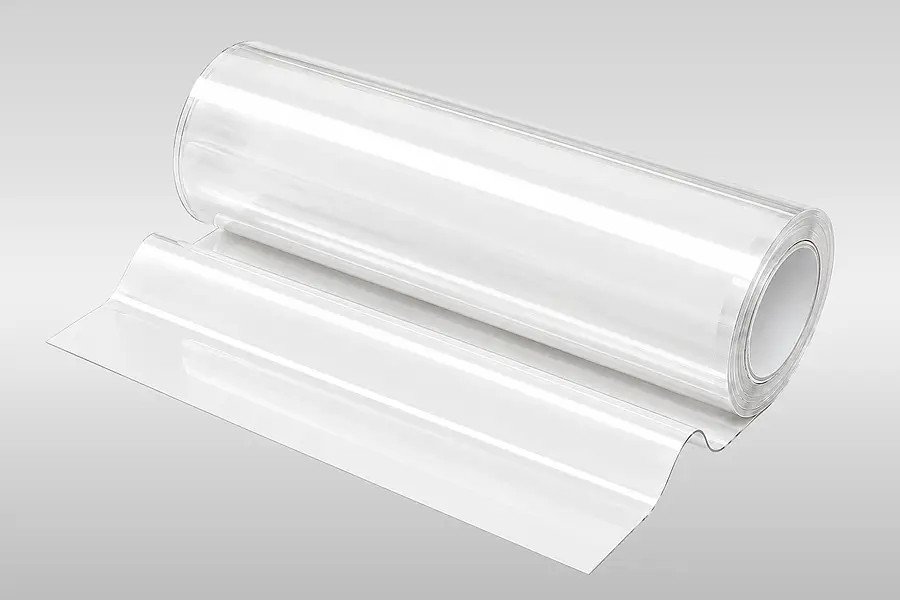
Technical plastic films
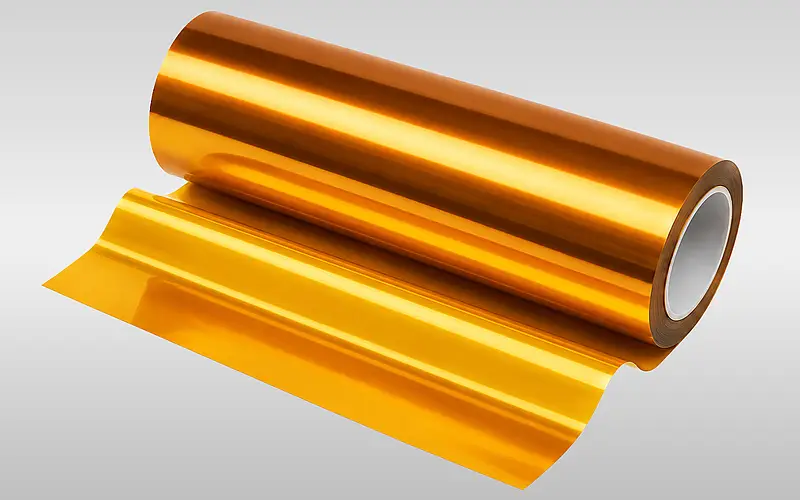
Suitable plastic films can be plotter cut into non adhesive shapes. Material properties and cutting behaviour need assessment first. Explore technical films →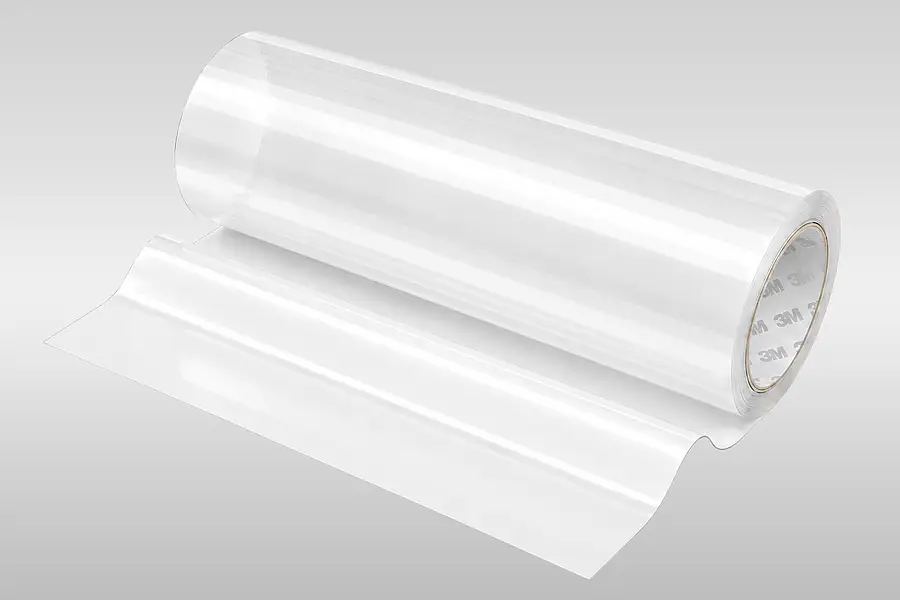
Adhesive films
For adhesive versions, liner handling is part of the assessment: the application and required supply format determine which layers are separated. Explore film converting →06
Plotter cutting in images and video
07
Assess whether plotter cutting fits
| Question to assess | How plotter cutting fits | Include in your enquiry |
|---|---|---|
| Contour | Two dimensional contours from drawings or CAD data. | Drawing, dimensions and required shape. |
| Film stock | Suitable adhesive or non adhesive films; suitability depends on the material. | Film type, structure and liner where applicable. |
| Delivery format | The format is chosen with geometry and handling in mind. | How parts should be supplied and used. |
Subject to material assessment
08
Details for your enquiry
Describe the application and the required result. Where possible, provide the film material or material requirements, contour and dimensions, required quantity, layer structure and subsequent handling. A drawing, CAD file or sample helps us assess the geometry.
Tell us whether the part should be adhesive and how you intend to process it. We can then agree on the cutting path, any sample run and the delivery format.
09
Further company information
10
Questions about film plotter cutting
Does film plotter cutting require a punching die?
No shape specific punching die is needed for plotter cutting. The cutting path follows a digital design, which can make the method useful for samples and changing geometries. This only refers to the die: data preparation, setup, material and cutting still form part of production and are priced for the specific enquiry.
Which films can be plotter cut?
Suitable technical, adhesive and non adhesive films can be plotter cut. A material name alone is not enough to confirm feasibility. We assess the specific carrier, layer structure, adhesive and liner where relevant, the required contour and subsequent handling. Film and geometry need particular attention for narrow contours or multilayer constructions.
When does plotter cutting make sense for samples?
Plotter cutting can be useful when a film contour still needs to be agreed or changed. The digital path can be checked before deciding on further production. Whether plotter cutting remains the right method for the required quantity, or punching or laser cutting is more suitable, depends on the material, geometry, quantity and delivery format.
What information helps with an enquiry?
A drawing or CAD file with the contour and dimensions is useful, together with details of the application, film, layer structure, quantity and required delivery format. A sample can support the assessment. For adhesive film, tell us which layers should be cut and how the parts will later be removed from the liner or processed.
Have your film contour assessed
Send us your drawing, material details and required quantity. We will discuss whether plotter cutting suits your application and proposed delivery format.

Advice on film plotter cutting
Thomas Klein
Contact for converting
Thomas Klein supports your enquiry about the film contour, material selection and suitable format.