

Converting technical films
Foil processing for industrial applications
Krückemeyer GmbH converts suitable technical films into application-specific rolls, sheets and die-cut parts. The material, required geometry and delivery format determine which processes suit your production.
01
Film as the starting material
From technical film to the required dimensions, shapes and format
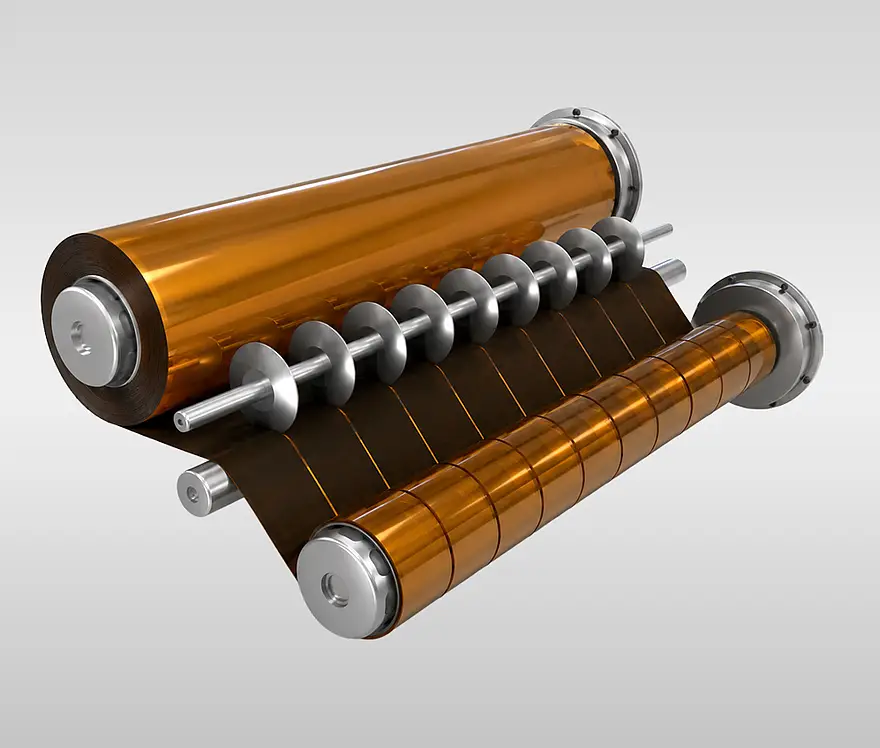
Foil processing means adapting suitable film stock to its intended application through converting. Film can be slit to width, cut to length, die-cut into contours or laser-cut where the material is suitable. Laminating joins it to other layers when needed. Depending on the task, the result is a roll, a sheet or an individual shaped part.
The required shape and dimensions, along with handling in the next production step, guide the choice of process. With multilayer constructions, the liner and the layers to be processed also need to be specified. Suitability is assessed for the particular film; a material name alone is not a production approval.
Krückemeyer GmbH agrees a format suited to manual, semi-automatic or automated processing. This makes the material available in the form needed for the next operation.
02
From foil enquiry to production
Step 01
Clarify the application and film
Tell us about the application, intended result and available film stock. A drawing or sample helps us understand the contour and handling requirements.
Step 02
Assess processes and limits
We assess geometry, dimensions, material construction and delivery format. We then determine whether cutting, die-cutting, laser cutting or laminating is suitable.
Step 03
Agree the format
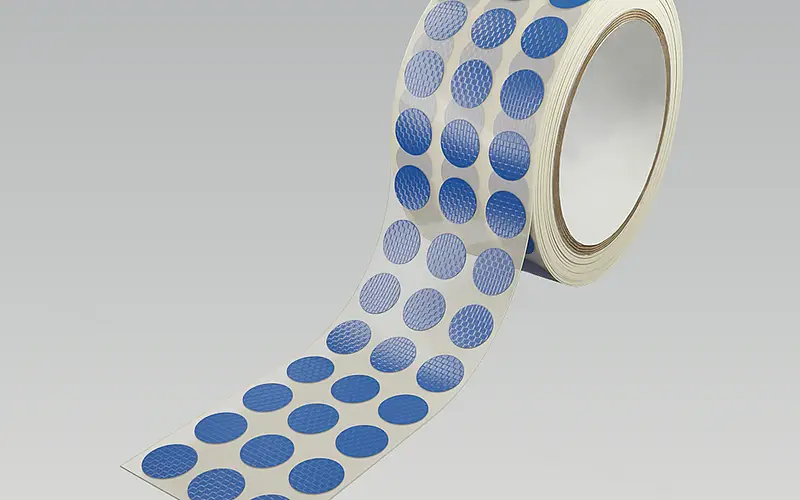
Width, length, contour, liner and presentation are agreed. Where needed, a trial run helps assess the proposed format.
Step 04
Convert and supply
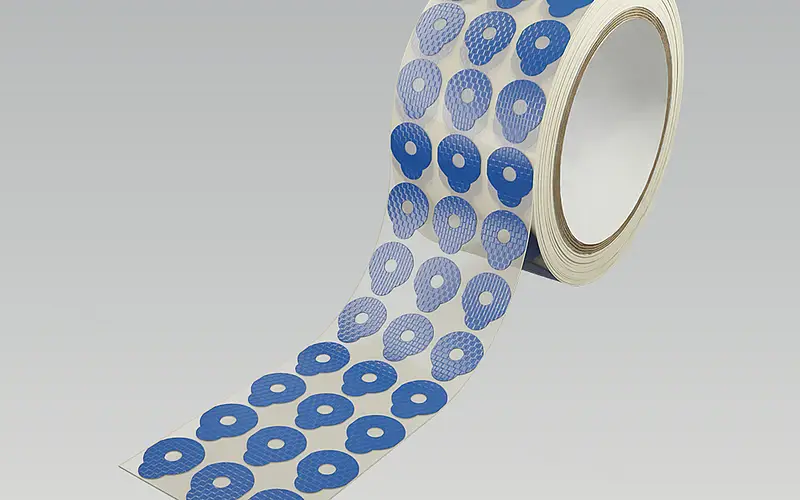
Following agreement, suitable film is produced in the specified shape and delivery format. Inspection and documentation can be agreed if required.
03
Processing methods for films
Cutting film
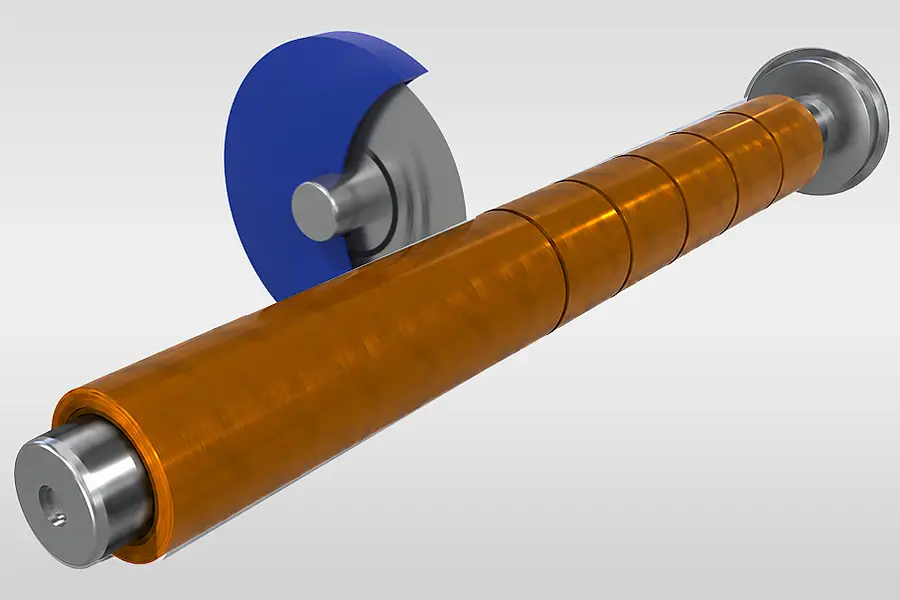
Rolls or suitable sheets are cut to the required widths and lengths. The stock material and subsequent processing are decisive. Explore film cutting →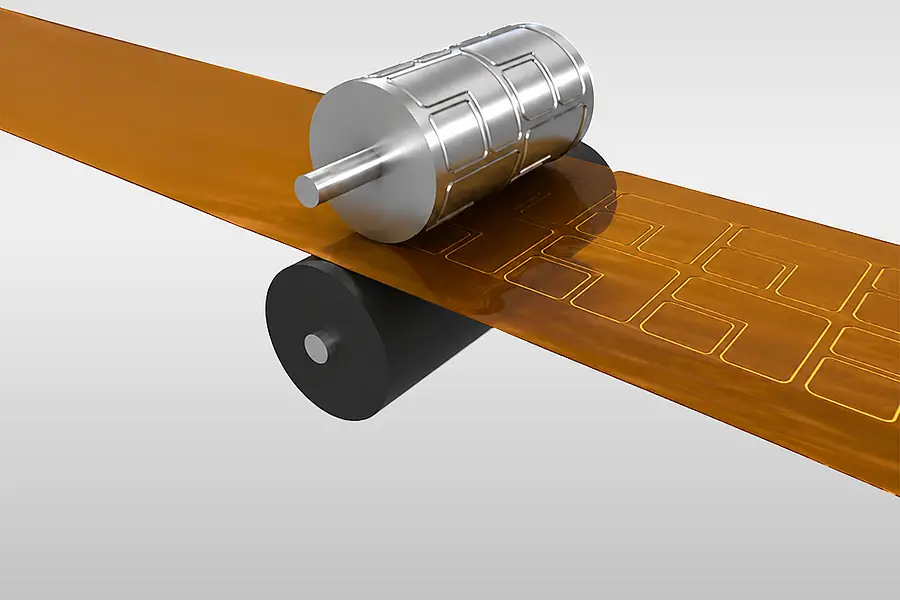
Die-cutting film
Die-cutting shapes suitable films into defined contours. The layer structure, liner and presentation are specified for the application. Explore film die-cutting →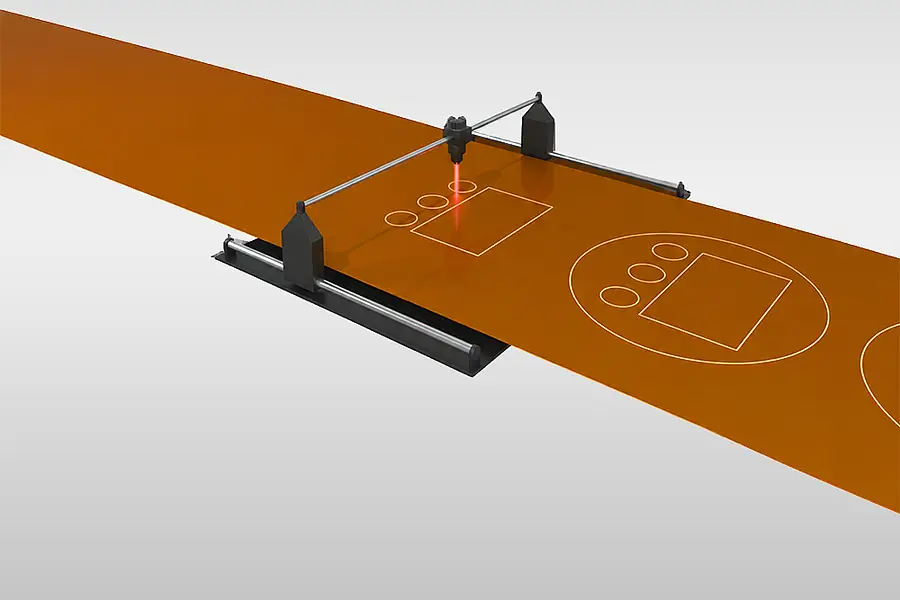
Laser cutting film
Laser cutting is an option for films that are fundamentally laser-compatible and for suitable contours. PVC is not laser-cut; suitability is checked individually. Explore film laser cutting →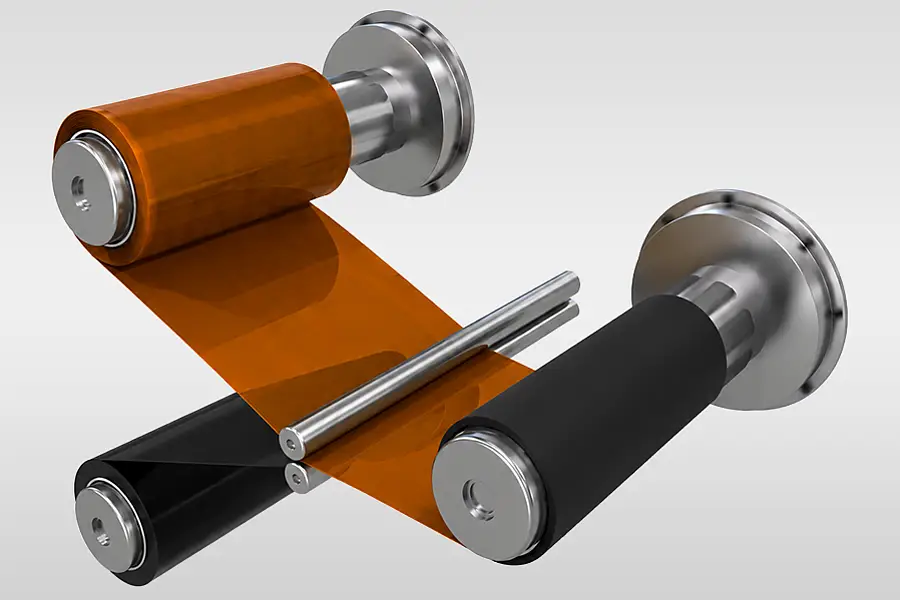
Laminating film
Laminating combines suitable films or other layers into a composite. Its construction and function follow the application. Explore film laminating →04
Possible film formats
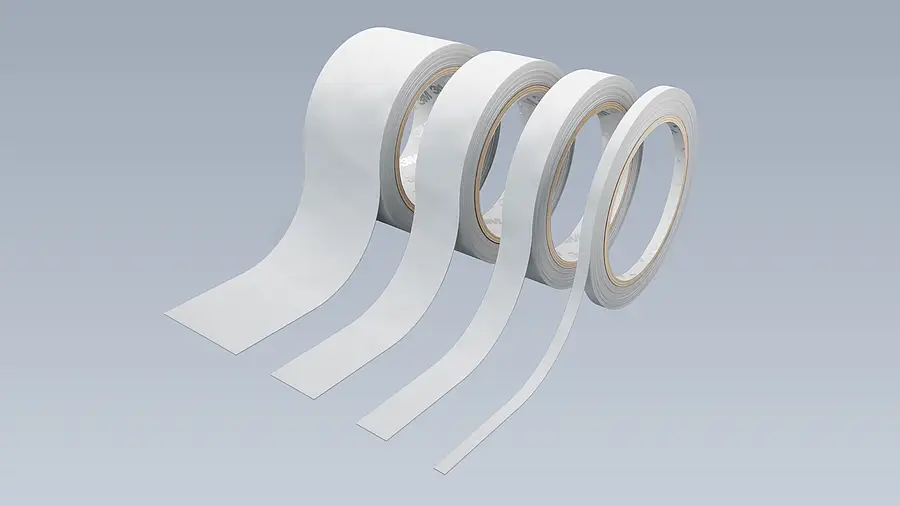
Rolls cut to width and length
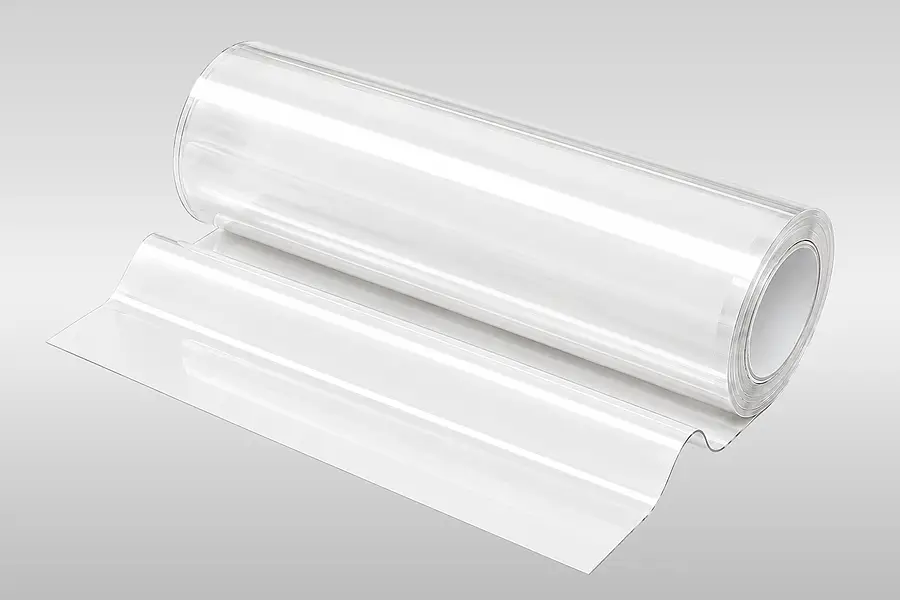
Suitable films can be supplied as cut rolls. Core, running length and unwind direction are agreed for the next process. Explore film cutting →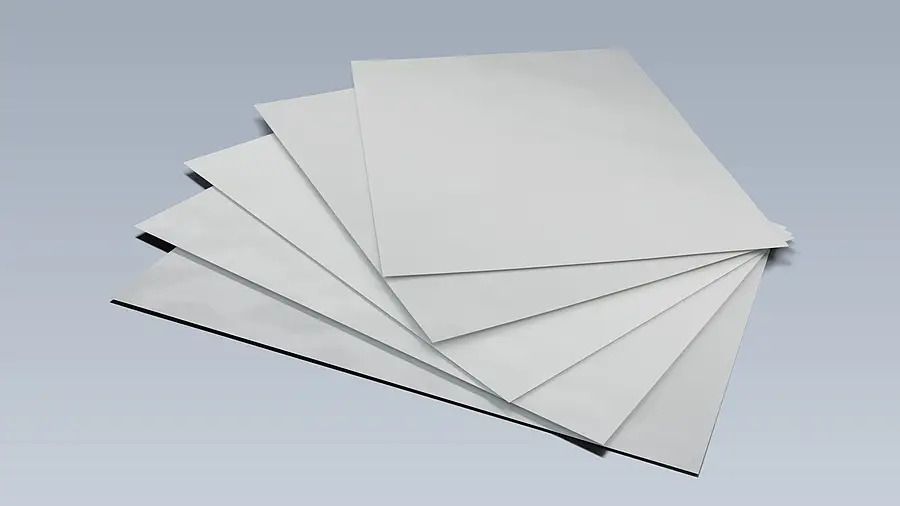
Sheets for further processing
Suitable films or composites can be supplied as sheets. The format is agreed with the application and subsequent processing. Explore film laminating →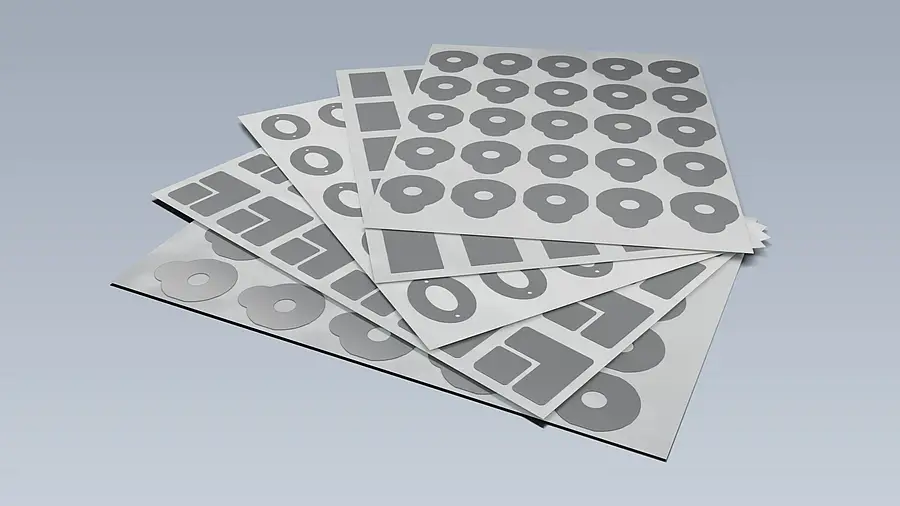
Shaped parts on rolls or sheets
Die-cut film parts can be arranged on rolls or sheets for further processing; individual parts are also possible. Contour and carrier construction are assessed. Explore film die-cutting →05
Assess suitable films
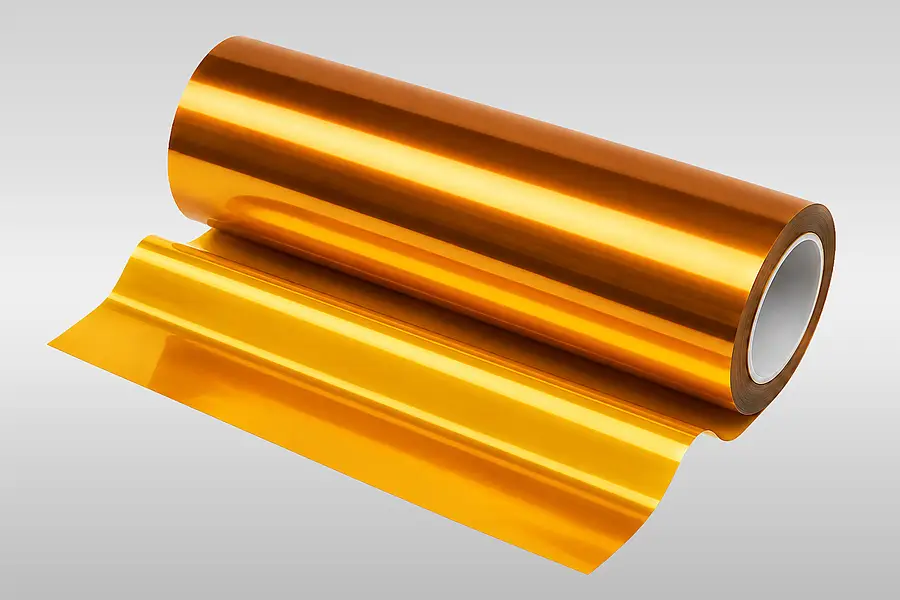
Plastic films
Technical plastic films, such as PET or polyimide films, are potential starting materials. The process and result are checked against the specific material.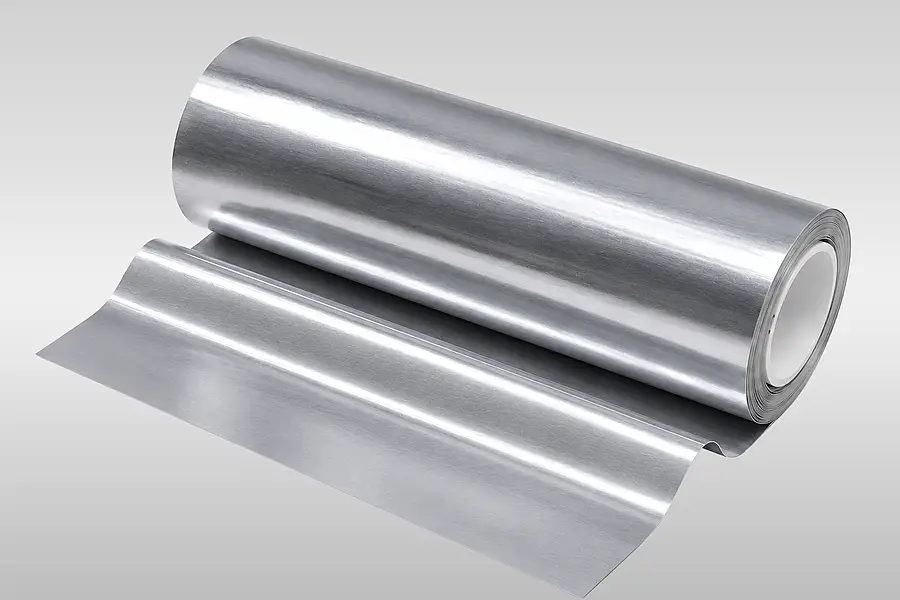
Metal foils
Suitable metal foils can also be converted. Geometry, construction and delivery format determine the processing route.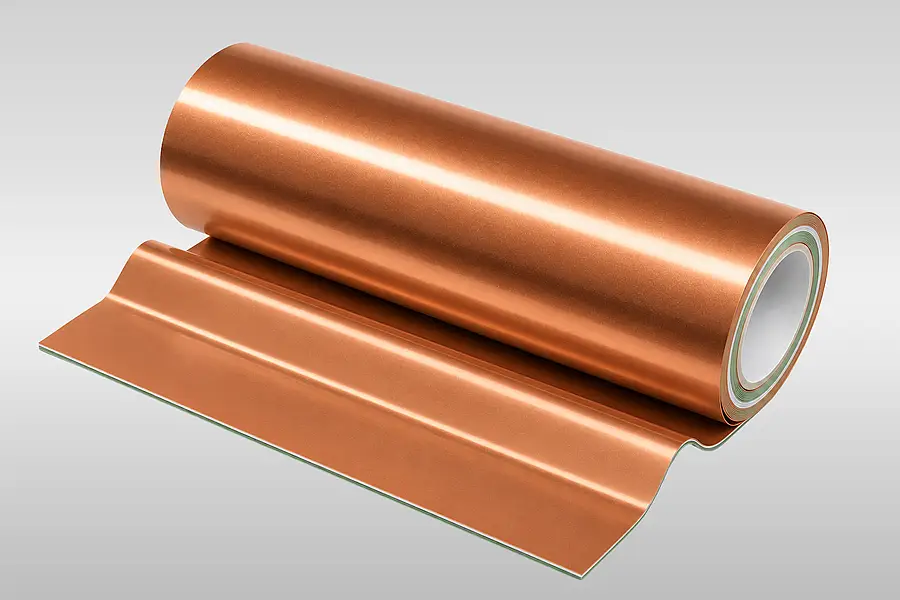
Film composites
Films can be processed alone or with other suitable layers. Processing of individual layers and the liner is specified for the task. Explore film laminating →06
Foil processing in pictures
07
Details for your foil enquiry
Describe the application and the result you need. Useful details include the film type or existing stock, material construction, required width and length, contour and intended delivery format as rolls, sheets or individual parts.
Details of the liner, core, unwind direction, quantity and quality requirements help us assess processing and presentation. A drawing, data sheet or sample can clarify questions about geometry and material suitability.
08
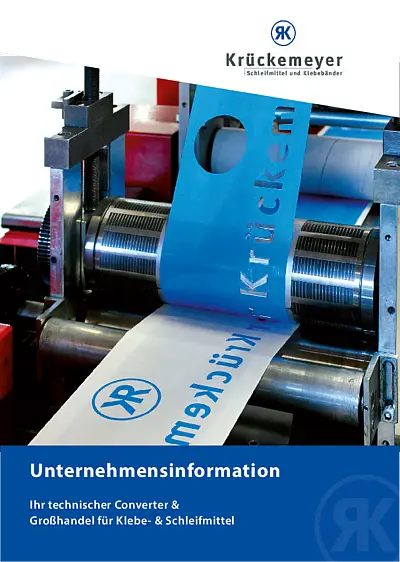
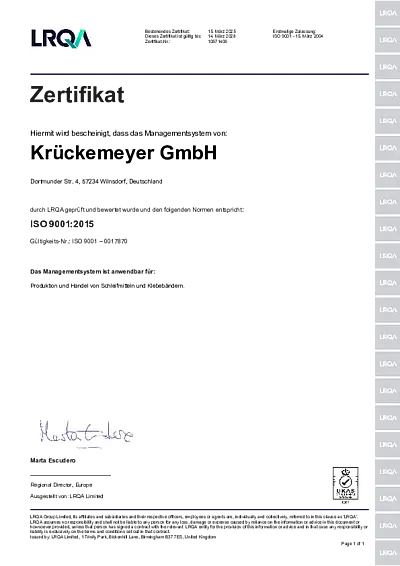
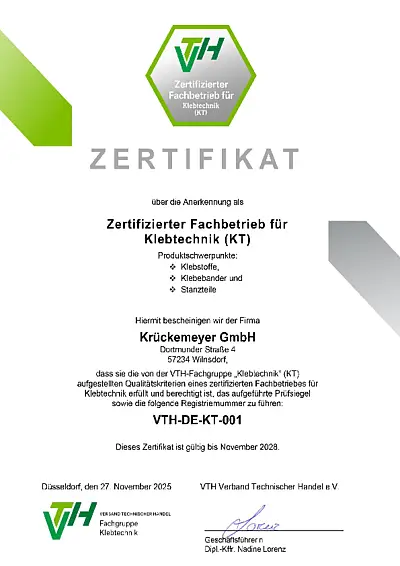
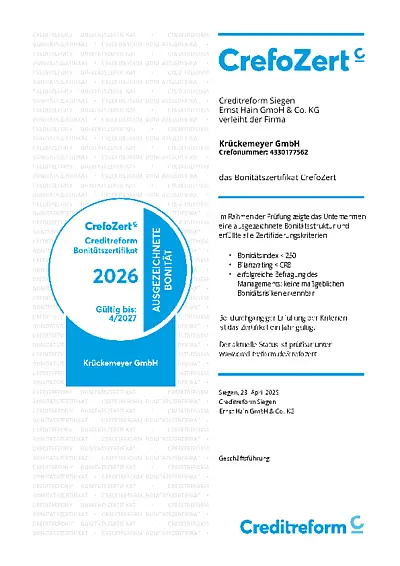
Krückemeyer GmbH documents
09
Foil processing questions
Which films can Krückemeyer process?
Suitable technical films can be cut, die-cut, laminated or converted using other processes. Depending on their construction, these may include plastic films, metal foils and film composites. A material name such as PET or polyimide is not enough to promise manufacturability: the specific stock, required contour, dimensions and delivery format all matter. Material information or a sample helps us assess suitability for your application.
When is die-cutting or laser cutting appropriate for films?
Die-cutting is one possible route for recurring film contours. Laser cutting can be considered for fundamentally laser-compatible materials and suitable geometry. PVC is not laser-cut. The appropriate route depends on the film, layer structure, contour, dimensions and required presentation. Processing of individual layers or the liner is also defined for each case. A drawing and stock material details support this assessment.
In what forms are converted films supplied?
Depending on the process, rolls, sheets and individual parts are possible. Die-cut shaped parts can be arranged on rolls or sheets. Width, length, core, liner and handling in the next process help determine a suitable delivery format. Before production, we agree which option is feasible and useful for the specific film construction.
What information is needed for a foil converting enquiry?
Describe the application, desired result, current or proposed stock material and required geometry. Dimensions, quantity, delivery format and details of the liner and core help us assess the request. If you have a drawing, data sheet or sample, Krückemeyer GmbH can examine the material construction and suitable processing method more closely. Please also mention any inspection or documentation requirements.
Enquire about foil converting
Send us your application, film stock and required shape or delivery format. We will assess the appropriate processing method.

Foil converting advice
Thomas Klein
Contact for converting
Thomas Klein discusses the film material, required format and suitable processing method with you.