

Adhesive tape lamination
Adhesive tape lamination for multilayer composites
We laminate adhesive tape, adhesive film, liners or additional material layers to create a construction for your application. We agree the material choice, layer sequence and subsequent processing with you.
01
Adhesive tape composites
How is a laminated adhesive tape construction made?
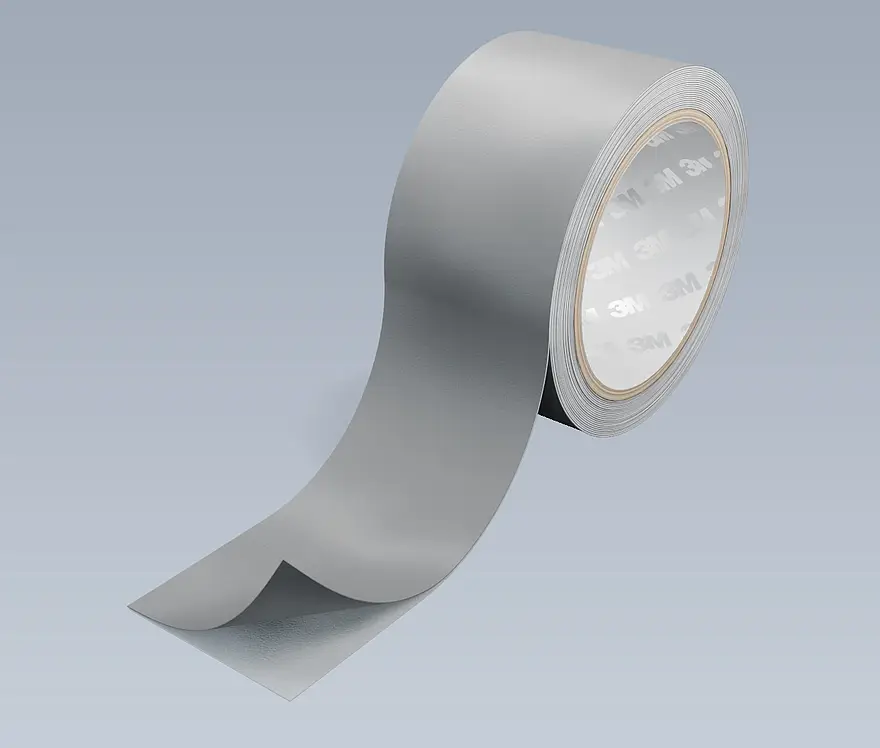
Adhesive tape lamination joins suitable tapes, transfer adhesive films, release liners or further layers into a composite. Roll stock can be processed on laminating equipment; suitable sheet stock can be laminated on a table. The layers are joined with an appropriate adhesive film and pressure.
This can add a self-adhesive layer to a material, modify an adhesive area or prepare a construction for further processing. A liner protects the adhesive and also affects handling, cutting and die cutting. The right layer sequence and liner depend on the surface, required function and subsequent process.
Krückemeyer GmbH sources and processes suitable starting material. Together we determine whether the result is needed as a roll or suitable sheet stock and assess the material combination, dimensions and specification for your application.
02
Your lamination project
Step 01
Describe the application
Tell us the required function, starting material, surfaces, dimensions and delivery form. A drawing or sample helps us assess the request.
Step 02
Assess the construction
We assess which material layers and liner suit the application and later processing.
Step 03
Agree the specification
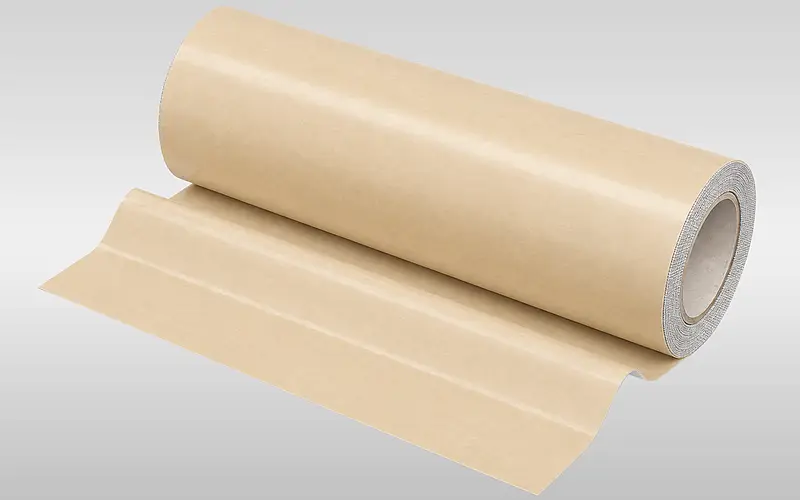
We agree the layer sequence, adhesive and non-adhesive areas, and roll or sheet form; a sample can be discussed if needed.
Step 04
Produce the composite
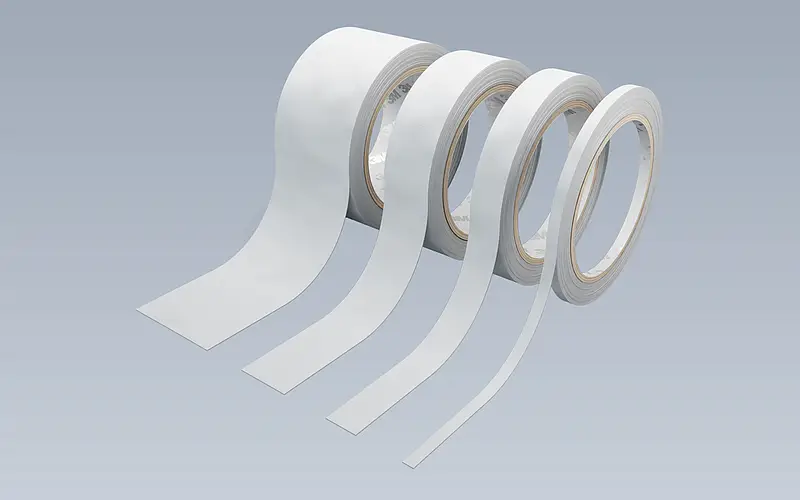
After agreement, suitable layers are laminated and supplied for the agreed further processing or delivery form.
03
Tape construction options
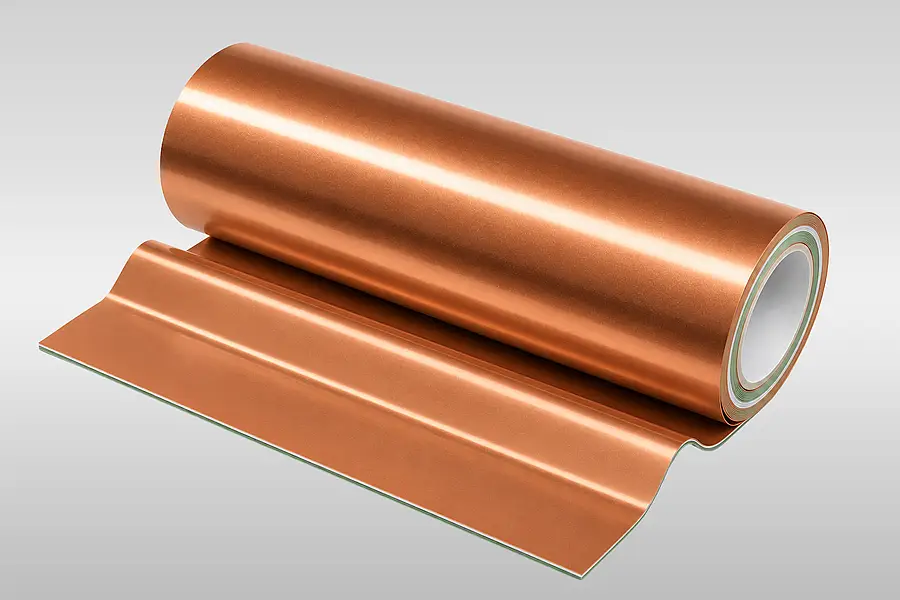
Join material layers
Adhesive tape and other suitable layers are combined into a composite. The layer sequence follows the required function and processing. Discuss a composite construction →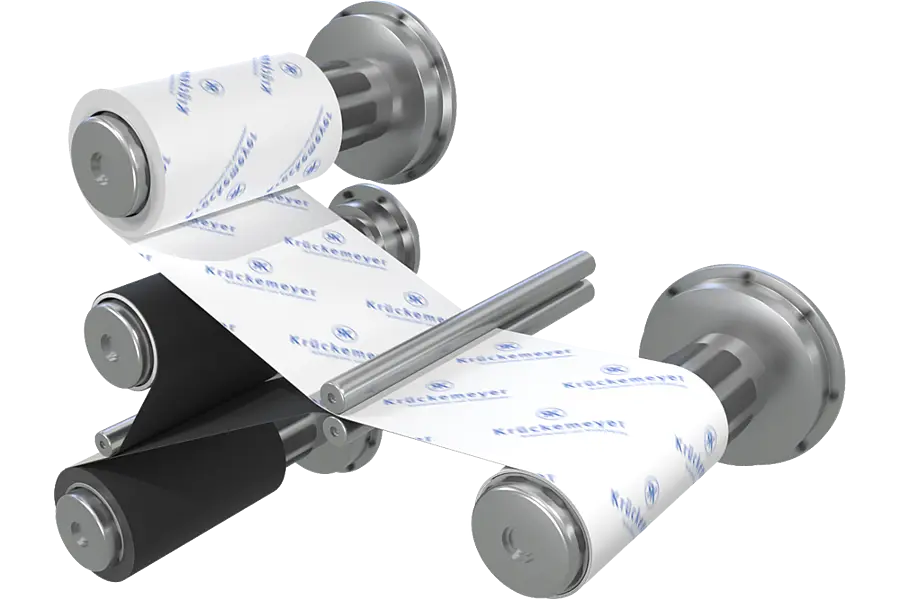
Adapt the liner
Changing the release liner can support handling and subsequent cutting or die cutting. Suitability is assessed for the specific construction. Discuss a liner change →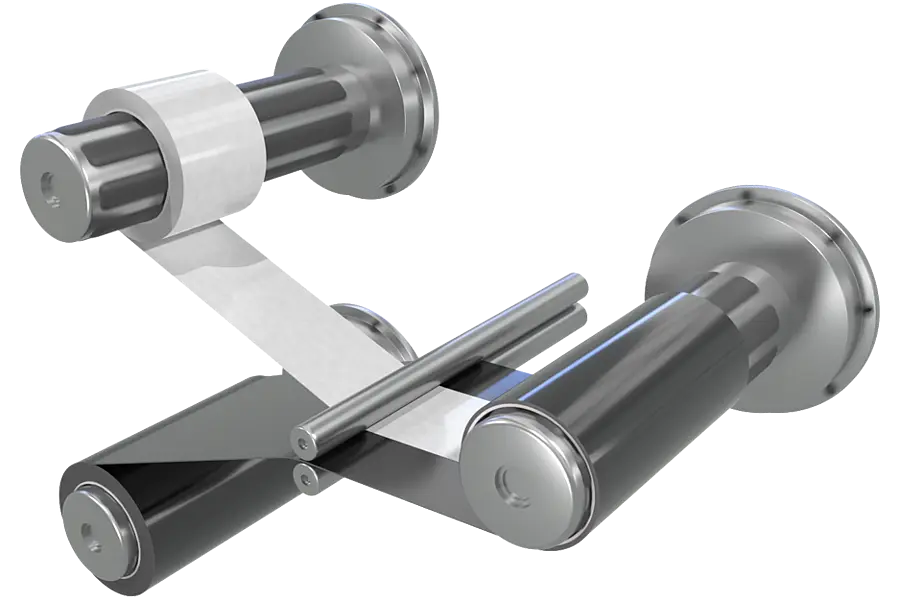
Create non-adhesive areas
Defined parts of the adhesive surface can be made non-adhesive through lamination. Their position and dimensions are agreed for the application. View non-adhesive areas →04
Possible production results
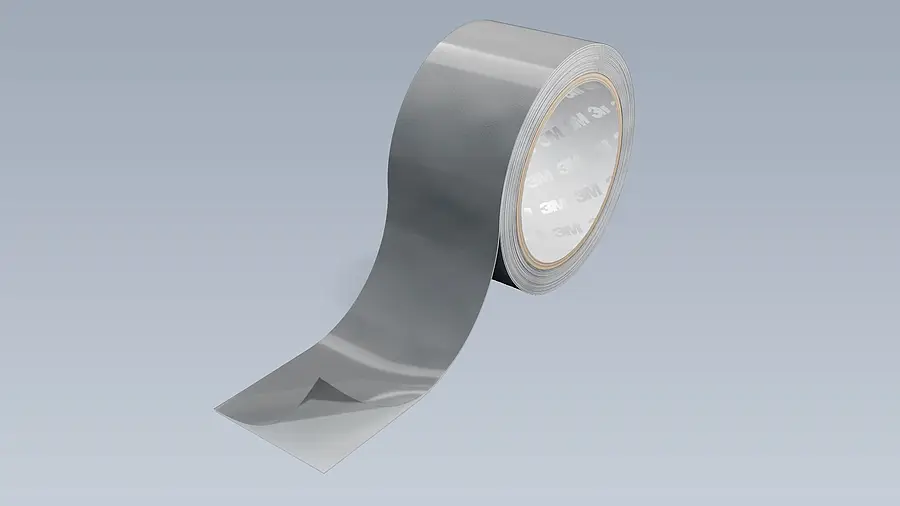
Laminated composite on a roll
A multilayer construction for further processing or use as roll stock. Width and length are agreed for the material. Enquire about roll stock →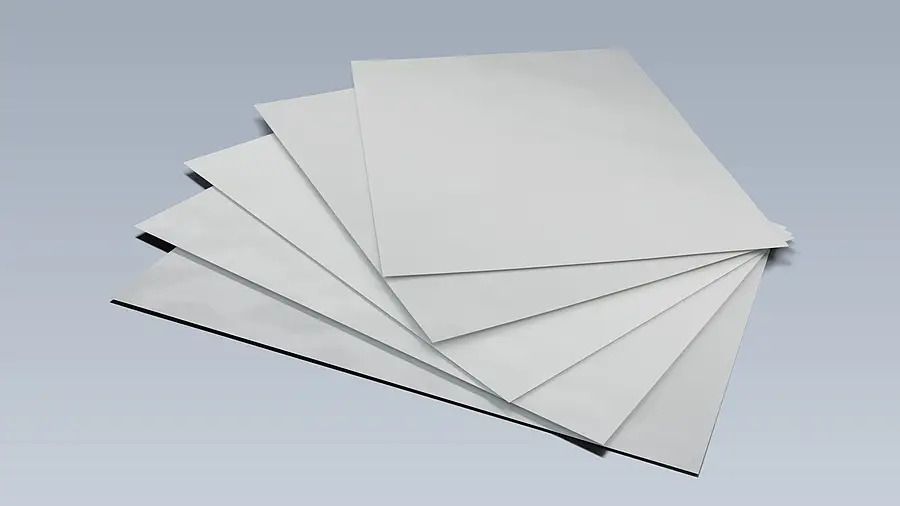
Suitable composite in sheets
Suitable starting material can also be laminated as sheets. Construction, sheet format and subsequent processing are assessed. Discuss sheet stock →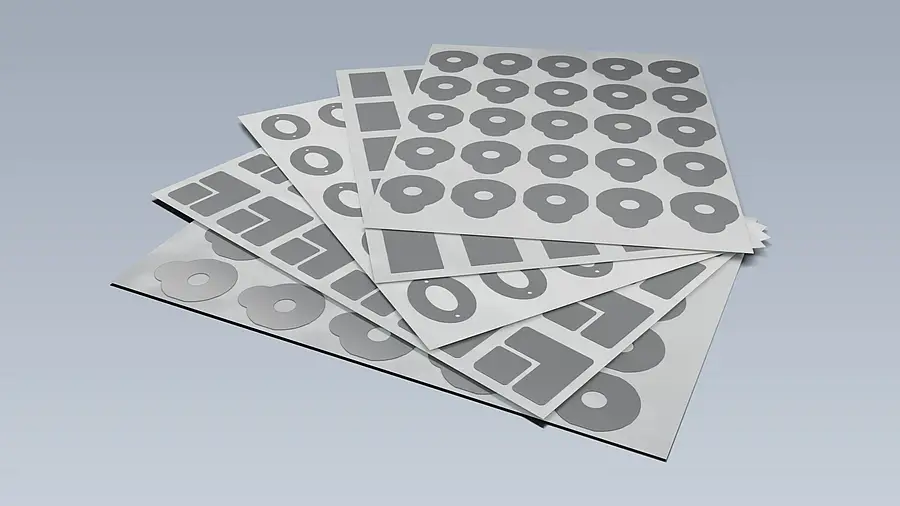
Die-cut parts from laminated material
Suitable laminated composites can be die cut into agreed shapes and sizes. We assess the construction and delivery format for your application. Enquire about die-cut parts →05
Materials for tape composites
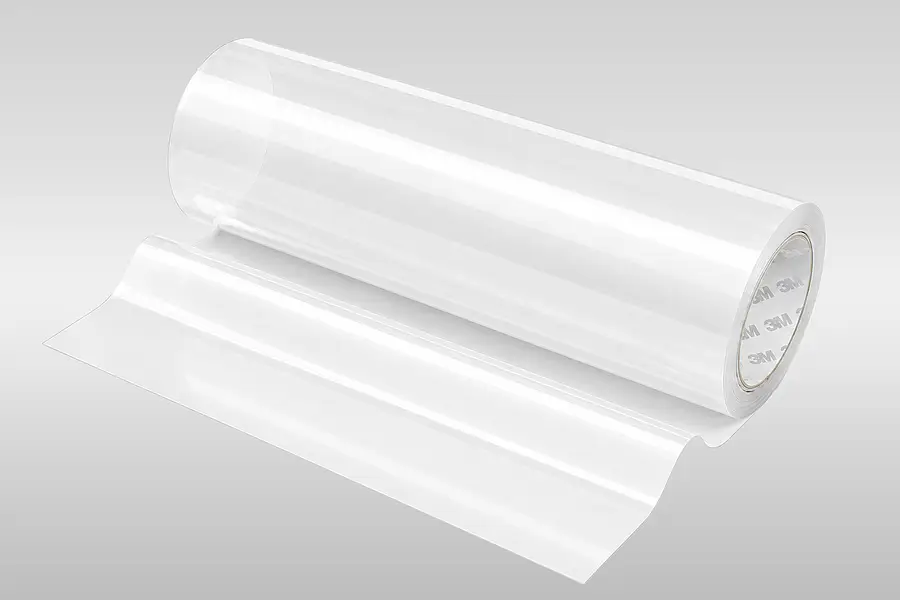
Single-sided adhesive tapes
Single-sided adhesive tapes, including film-backed types, can be laminated into the required composite. We assess the material and construction for your application. View single-sided tapes →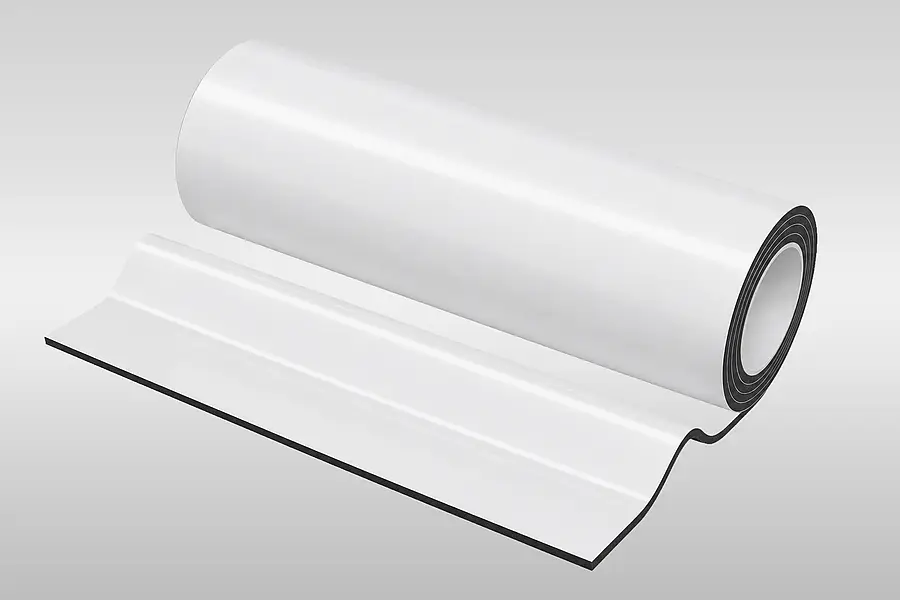
Double-sided adhesive tapes
Double-sided adhesive tapes, including foam-backed types, can form a layer in the composite. We assess the backing, adhesive and liner for your application. View double-sided tapes →06
Lamination in images
07
Choosing the layer construction
| Point to assess | What we clarify with you |
|---|---|
| Required function | Which areas should adhere, remain protected or be non-adhesive? |
| Starting material | Which tapes, films, sheets or liners are planned? |
| Further processing | Will the composite be cut, die cut or rewound afterwards? |
| Delivery form | Is roll stock or suitable sheet stock required? |
Suitability assessed individually
08
Details for your lamination enquiry
Describe the application and the intended result: which materials should be joined, which side should adhere and where are non-adhesive areas needed? Tell us about the available starting materials, surfaces and liner requirements.
Useful details include the desired width, length or sheet format, delivery form and planned subsequent processing. A drawing or sample helps with the assessment; the expected quantity helps us discuss production. If some details are still open, we can work through the construction with you.
09
Converting information
10
Questions about adhesive tape lamination
Which materials can be laminated with adhesive tape?
Suitable adhesive tapes, transfer adhesive films, films and foams can be processed separately or in a composite. The specific starting material, required layer sequence and intended processing determine suitability. A material category alone does not guarantee that every combination is feasible.
When is a different liner useful?
A liner change can be useful when the existing protective layer makes handling or subsequent processing difficult. The appropriate liner is selected for the adhesive tape construction and the planned cutting, die cutting or application.
Can part of the adhesive surface remain non-adhesive?
Yes. A defined part of an adhesive surface can be made non-adhesive by adding a layer. Its location, shape and dimensions must suit the application and possible further processing.
Can laminated composites be supplied as rolls and sheets?
Roll stock is a main processing format; suitable material can also be laminated as sheets. We assess whether the required construction and format are feasible from the starting material, geometry and delivery specification.
Request adhesive tape lamination
Send us your application, starting material and required specification. We will assess a suitable layer construction with you.

Lamination advice
Thomas Klein
Contact for converting
Thomas Klein discusses the material combination, liner and required delivery form for your adhesive tape application.