

Foam · Die-cutting
Foam die-cutting for application-specific parts
Krückemeyer GmbH die-cuts suitable PE and PU foams and EPDM cellular rubber into contours tailored to the application. Whether gasket, pad or spacer, we match the material, geometry and delivery format to your component and processing method.
10 mm
Max. flatbed thickness, by material
2 mm
Max. rotary thickness, by material
01
Foam die-cutting
How are foam parts die-cut?
In foam die-cutting, a die brings suitable stock material into a defined two-dimensional contour. PE or PU foam and EPDM cellular rubber can be processed into gaskets, pads, spacers and shaped parts, for example. The contour may include internal cut-outs; feasibility is checked against the specific material and drawing.
Function and installation conditions matter alongside thickness, density, cell structure and the required delivery format. A self-adhesive finish or multilayer construction may support positioning during assembly. We clarify which combination suits your application; die-cutting itself does not create additional material properties.
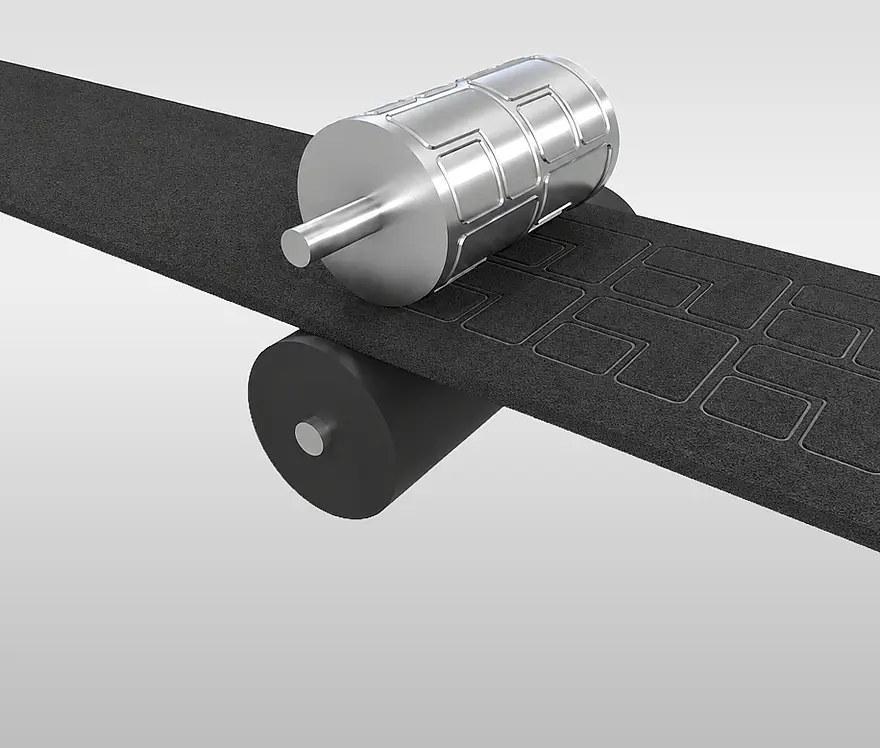
Flatbed and rotary die-cutting are possible methods. The choice depends on geometry, material thickness, construction and the required presentation of the parts. Even within a documented production range, we assess boundary cases for the specific material and execution.
02
From foam enquiry to production
Step 01
Clarify application and stock material
Describe the component, its function and the intended foam. A drawing or sample helps us understand the contour and installation conditions.
Step 02
Check the method and limits
We assess material thickness, geometry, internal cut-outs and suitability for flatbed or rotary die-cutting. Boundary values are assessed for the specific material.
Step 03
Agree the execution
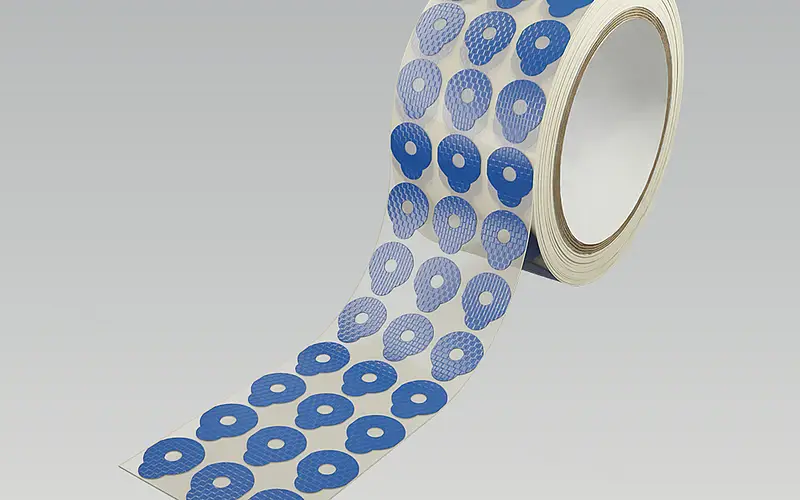
We agree the contour, any self-adhesive layer and supply as individual parts, on sheets or on rolls. A sample can help assess handling where needed.
Step 04
Produce the die-cut parts
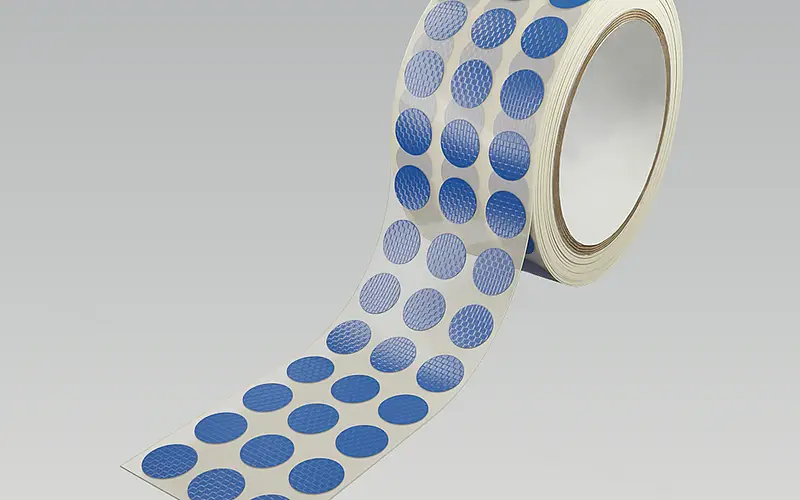
Once the technical details are clear, we produce the agreed contours and supply them in the agreed delivery format.
03
Die-cutting methods for foam
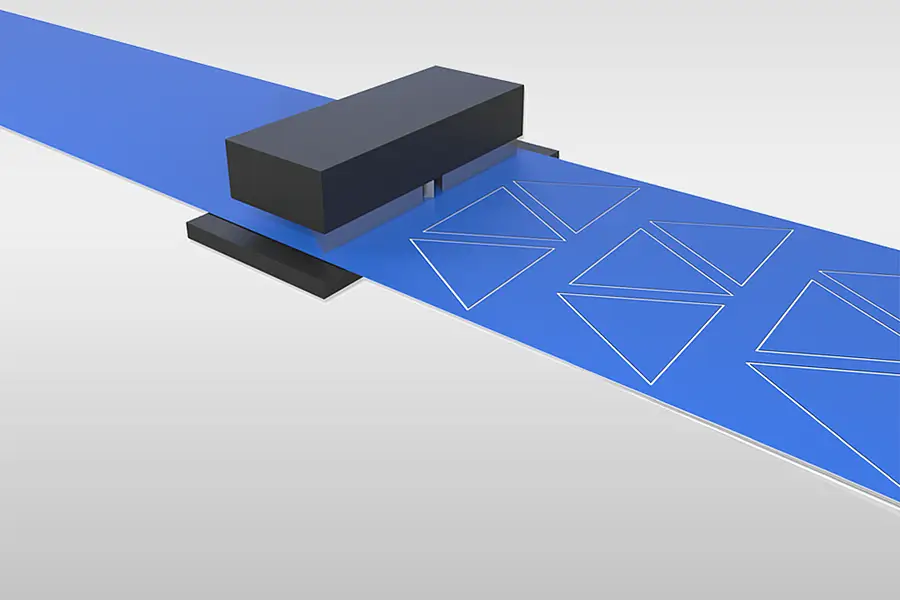
Flatbed die-cutting
The die cuts the contour in a stroke. This method can suit thicker foams and contours with internal cut-outs; the specific execution must be assessed.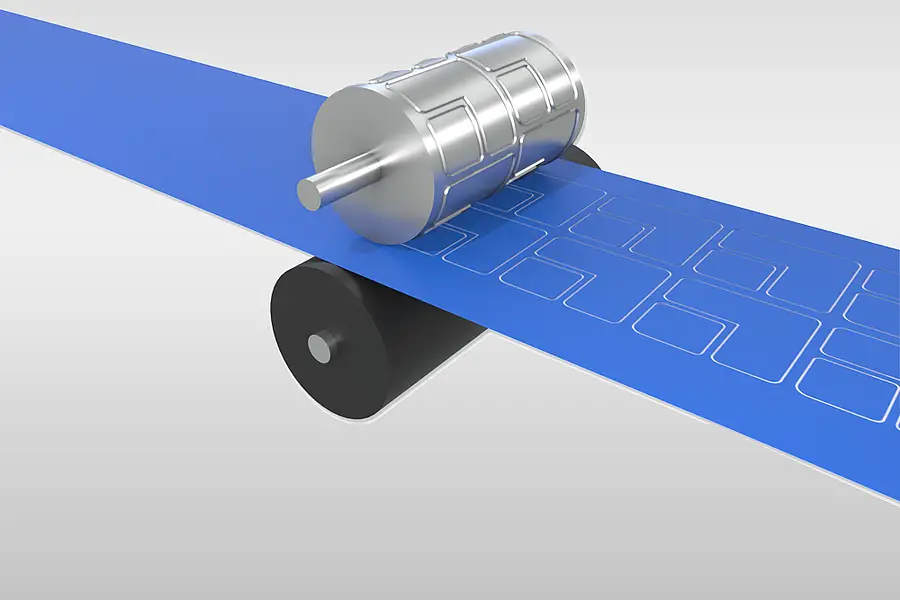
Rotary die-cutting
A cylindrical die processes suitable thinner foam webs continuously. Repeated contours and delivery on a roll can be planned together. Explore rotary die-cutting →04
Possible parts and delivery formats
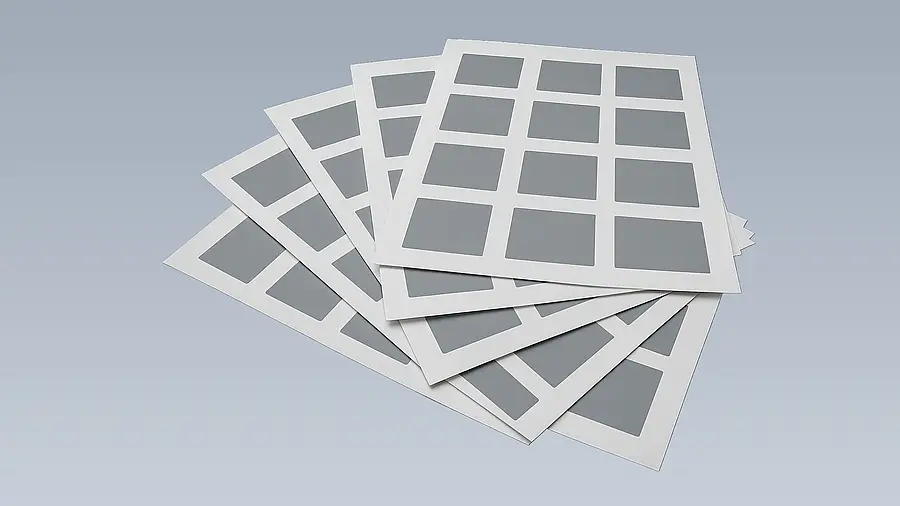
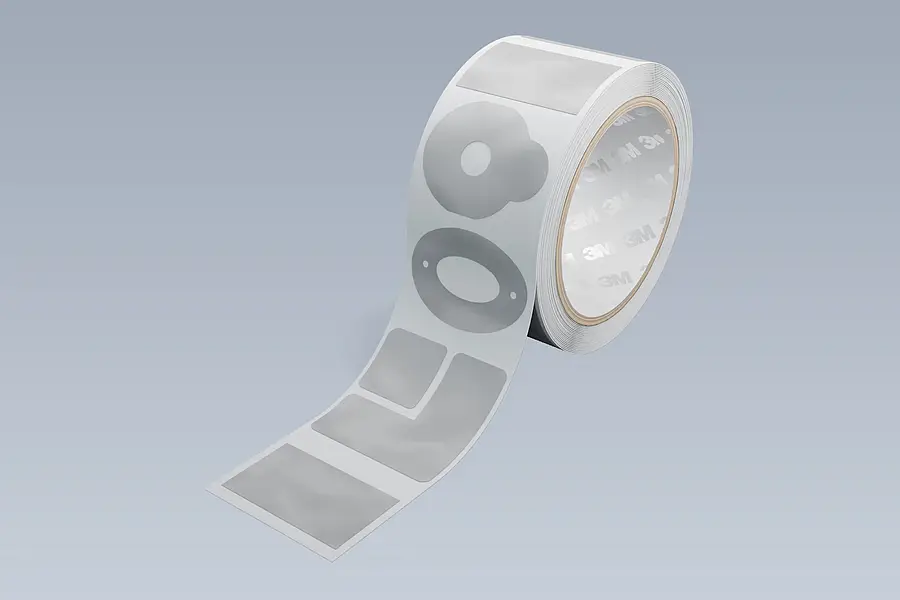
Pads on sheets
Die-cut pads can be supplied on sheets when individual parts need to be removed deliberately during assembly. Material and adhesive finish depend on the application. Discuss pads →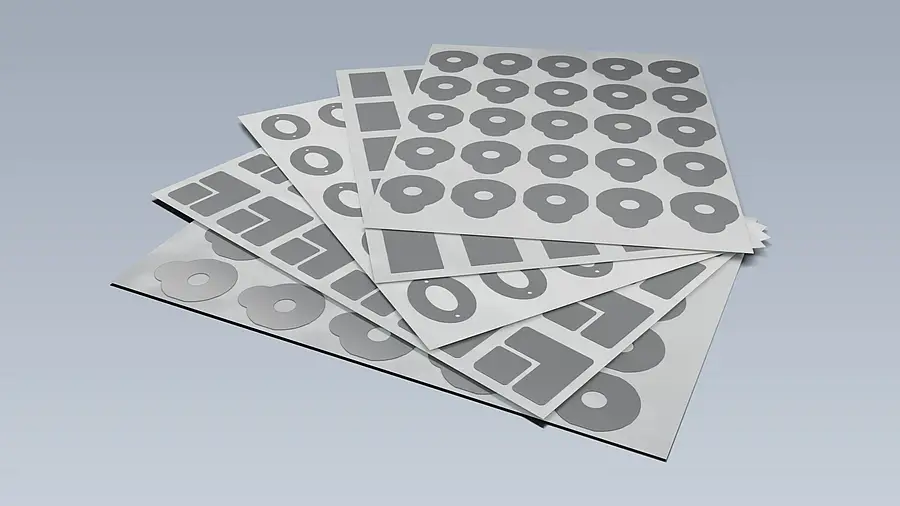
Different contours
Shaped parts can be supplied in an agreed arrangement on a sheet. Contour and layer construction depend on the component and how parts are removed. Discuss contours →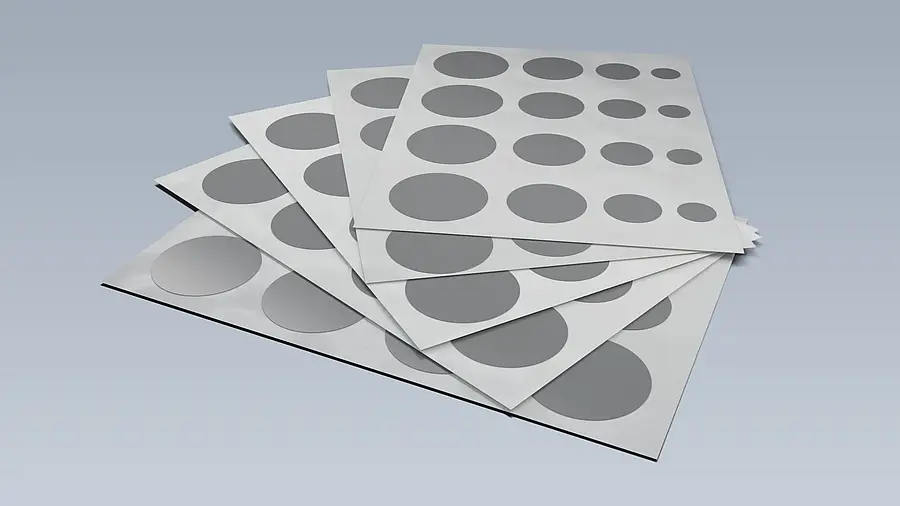
Dots and small shaped parts
Dots and other simple contours are possible outcomes. We must assess whether the selected foam can be processed and supplied reliably in that form. Discuss shaped parts →05
Suitable foam stock materials
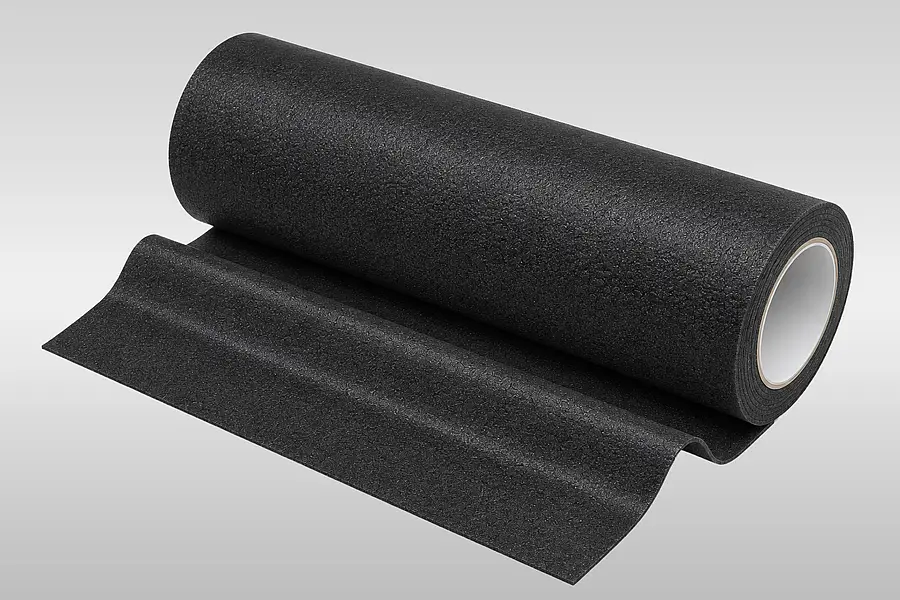
PE foam
Polyethylene foam is a possible stock material for die-cut pads and shaped parts. Thickness, density and required function guide the specific choice.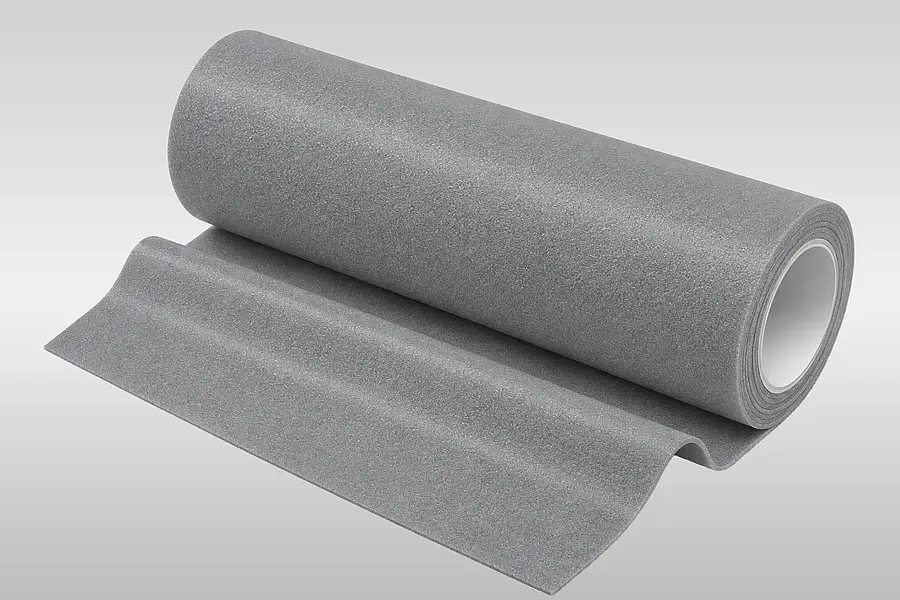
PU foam
Polyurethane foam can also be cut into contours suited to the application. Cell structure, compression and required geometry are assessed on the stock material.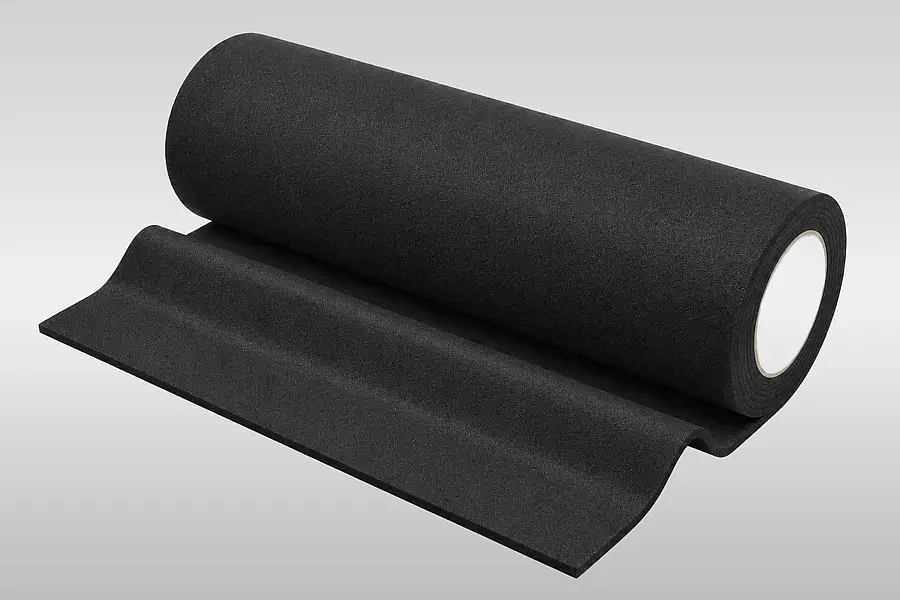
EPDM cellular rubber
EPDM cellular rubber is another documented material group. For sealing tasks, the application requirements and properties of the specific material matter.06
Die-cutting and delivery in images
07
Which die-cutting method fits?
| Method | Documented thickness range | Decision question |
|---|---|---|
| Flatbed die-cutting | Foam up to 10 mm | Do the contour and material suit the stroke-based method? |
| Rotary die-cutting | Foam up to 2 mm | Do the web and delivery format suit continuous production? |
Indicative values apply only to suitable foams; assess material, contour and execution individually.
08
Details for your foam die-cutting enquiry
Tell us the application and the required function of the part, such as sealing, cushioning, protection or spacing. Describe the component and installation conditions, as well as the intended material, including thickness and density where known.
To assess production, provide the contour and dimensions, internal cut-outs, required quantity and delivery format: individual parts, on sheets or on rolls. State whether a self-adhesive layer is needed. A drawing, sketch or sample helps us agree the geometry; we can clarify missing details together.
09
Questions about foam die-cut parts
Which foams can be die-cut?
Suitable PE and PU foams and EPDM cellular rubber can be used as stock materials. The material name alone does not guarantee a particular contour or delivery format. For foam die-cutting, we assess the actual material, its thickness and cell structure, and the function required in the component. With self-adhesive or multilayer constructions, we also examine the layer structure and liner.
When is flatbed die-cutting preferable to rotary die-cutting?
Flatbed die-cutting can be appropriate for suitable thicker foams and contours with internal cut-outs. Rotary die-cutting processes suitable thinner webs continuously and can fit delivery on a roll. The documented foam thickness ranges depend on the material and do not apply automatically to every grade. Geometry, thickness, material construction and the required delivery format determine which method is assessed for your enquiry.
Can the foam parts be supplied with an adhesive finish?
A self-adhesive finish is a possible execution. A suitable adhesive layer can help position and secure the die-cut part during assembly. The appropriate adhesive finish and layer construction depend on the substrate, service conditions and handling. Die-cutting itself gives the foam no additional properties. In your enquiry, tell us which side needs the adhesive layer and how the part will be processed.
What details does Krückemeyer need for a foam die-cut part?
We need the application and required function, the intended foam material, contour, dimensions, quantity and delivery format. Thickness, density, internal cut-outs and any required self-adhesive layer are also useful where already known. A drawing, sketch or sample helps us agree the geometry. If a material or execution is still undecided, our technical advisers can clarify it with you.
Enquire about foam die-cut parts
Send us your application, material details and a drawing or sketch. We will assess the die-cutting method, contour and delivery format for your component.

Advice on foam die-cut parts
Thomas Klein
Contact for converting
Discuss the stock material, contour and required presentation of your foam die-cut parts with Thomas Klein.