

RUBBER · DIE CUTTING
Rubber die cutting for gaskets and shaped parts
Krückemeyer GmbH die cuts suitable rubber grades into gaskets, pads, strips and shaped parts. Material, hardness, thickness and contour determine the process and delivery format; we review your requirements to find a suitable solution.
01
SHAPING RUBBER
How rubber becomes a suitable die cut part
In rubber die cutting, a tool separates suitable base material along a defined contour. This creates flat parts for sealing, protection or intermediate layers. The shape is tailored to your component and the required handling.
Rubber, EPDM cellular rubber and rubber materials with a self-adhesive backing can be considered for individual projects. The specific grade, hardness, material thickness and geometry are decisive. Not every rubber or EPDM grade can be die cut, so we check the base material and drawing before choosing a production method.
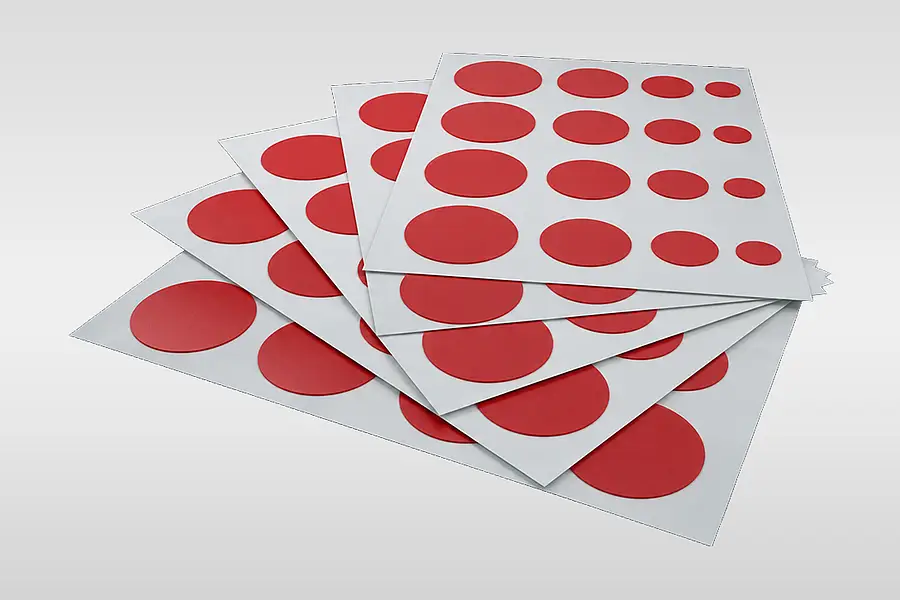
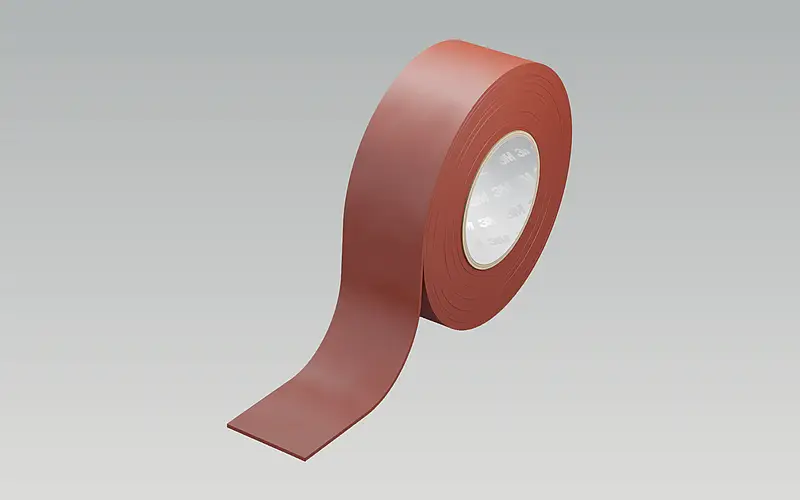
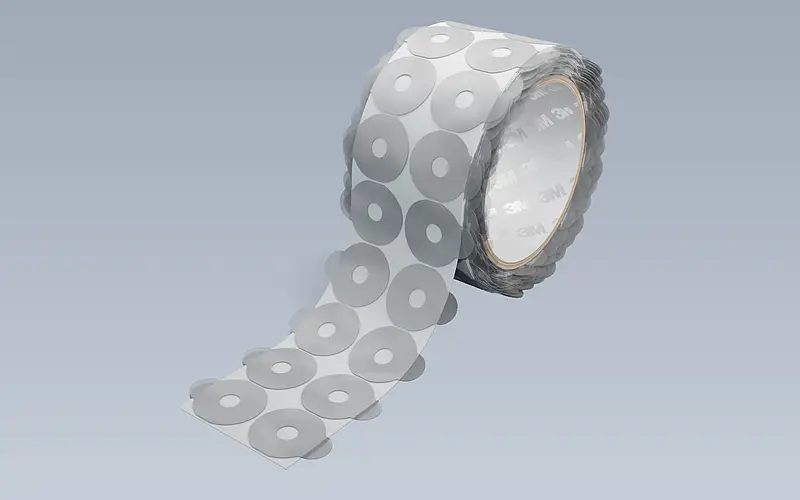
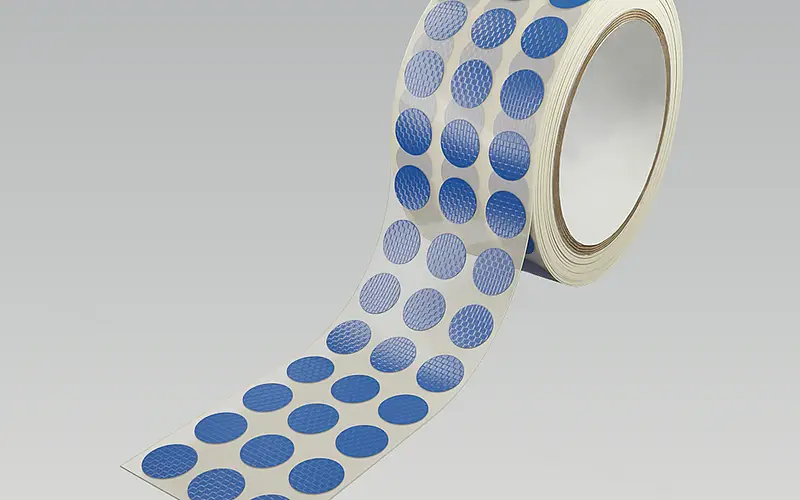
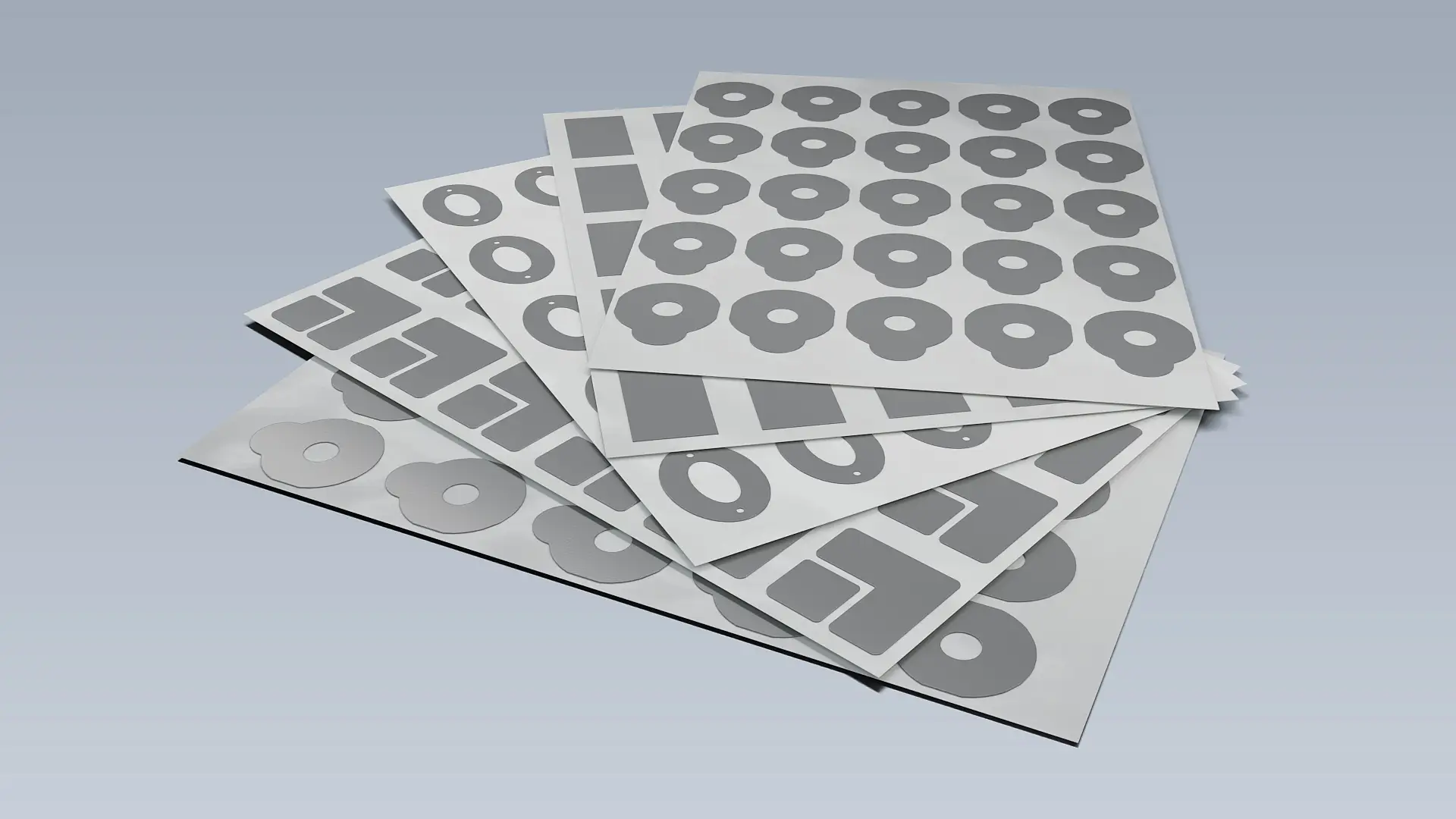
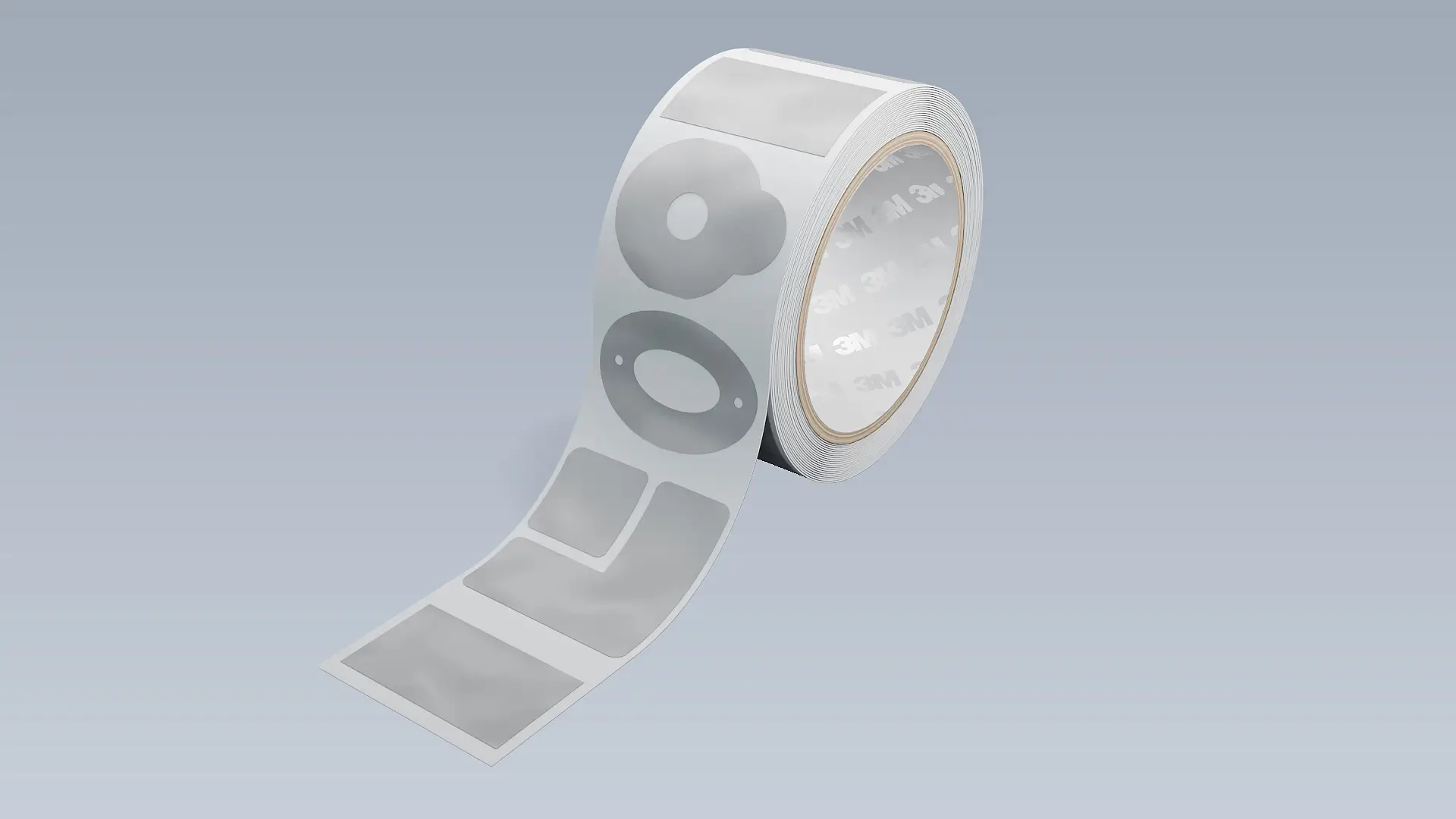
Krückemeyer GmbH can add a self-adhesive backing to suitable materials and supply die cut parts on a roll, on sheets or as individual pieces. The delivery format depends on how you pick up and use the parts in your process.
02
FROM REQUIREMENT TO RUBBER DIE CUT
Step 01
Describe the requirement
Send the application, intended function, material details, dimensions and quantity. A drawing or sample helps us assess the request.
Step 02
Check material and contour
We assess whether the specific rubber grade and geometry are suitable for die cutting and which method could be used.
Step 03
Agree the execution
We align the adhesive backing, carrier and delivery format with your processing needs. A trial run or sample can be agreed if required.
Step 04
Produce the die cuts
After agreement, suitable rubber die cut parts are produced in the specified execution.
03
DIE CUTTING METHODS FOR RUBBER
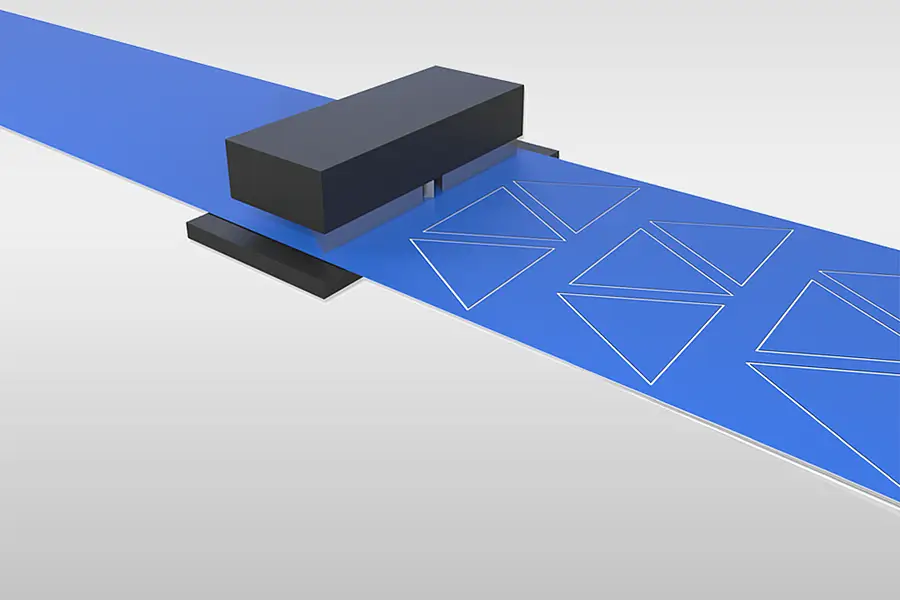
Flatbed die cutting
A tool cuts the contour in a stroke. Suitability of the rubber grade and desired shape is checked against hardness, thickness and geometry.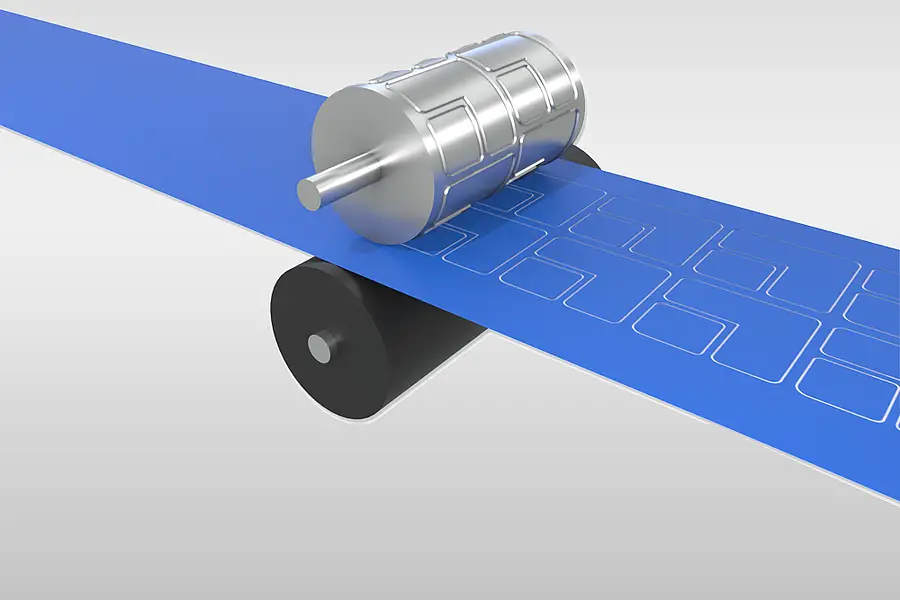
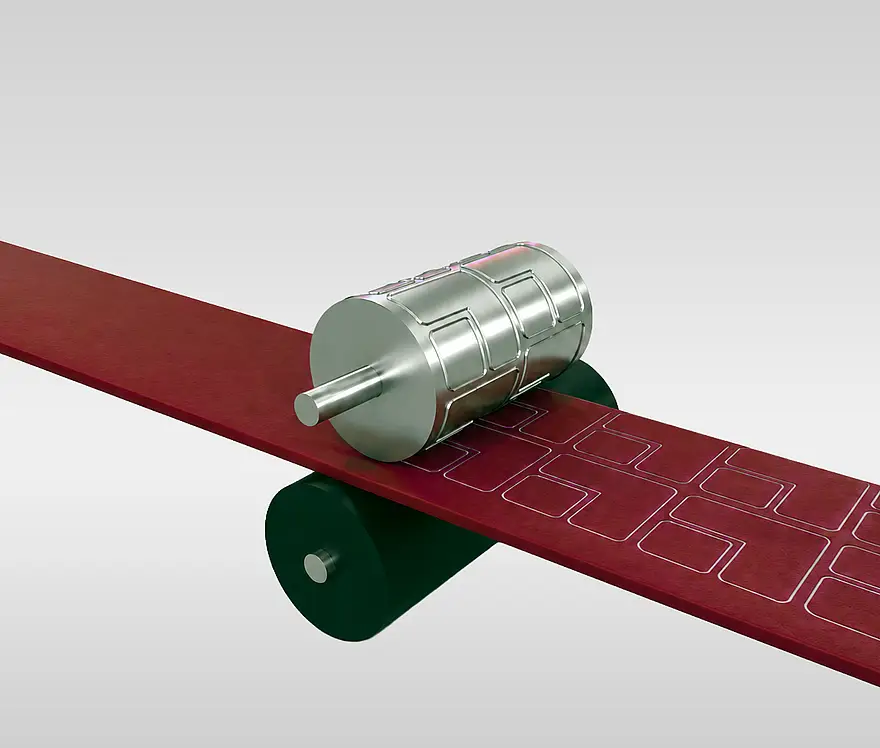
Rotary die cutting
A die cutting roller processes suitable web material continuously. We check the rubber's suitability and the delivery format for each project. Explore rotary die cutting →04
RUBBER DIE CUTS AND DELIVERY FORMATS
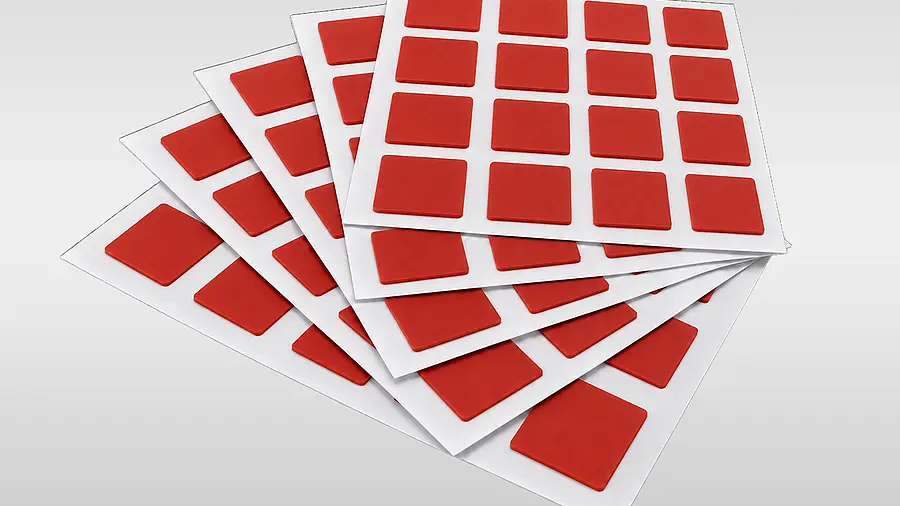
Self-adhesive rubber pads
After selecting a suitable material and adhesive, flat pads can be supplied on a carrier. Shape and dimensions depend on your application. Enquire about rubber pads →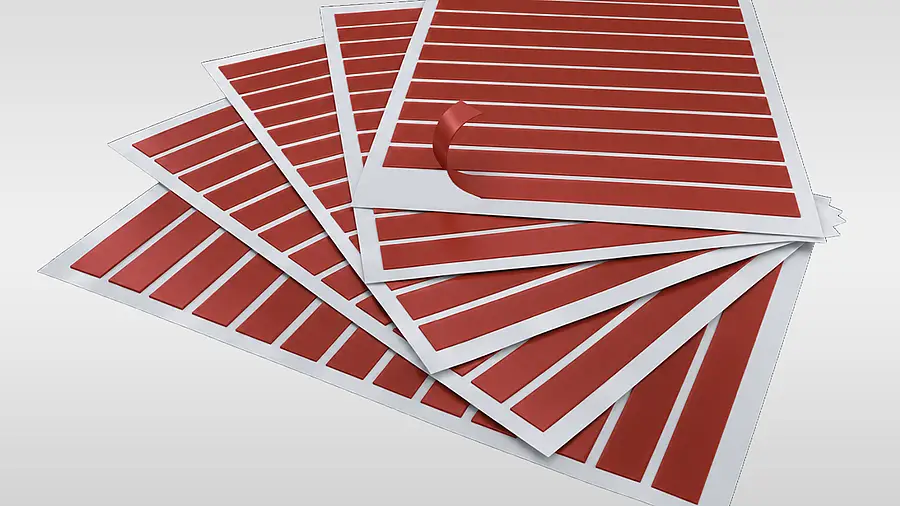
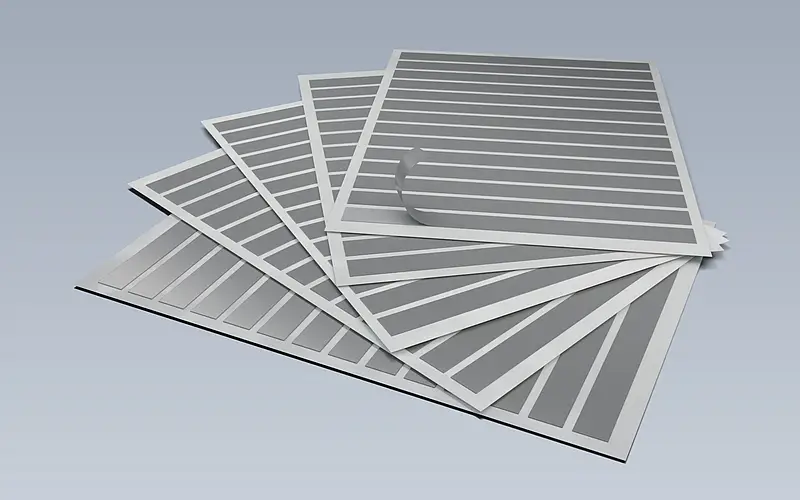
Rubber strips and shaped parts
Strips and other flat contours are assessed against your drawing. Sheets, rolls or individual pieces may be suitable, depending on material and pick-up process. Enquire about shaped parts →05
CHECKING SUITABLE RUBBER GRADES
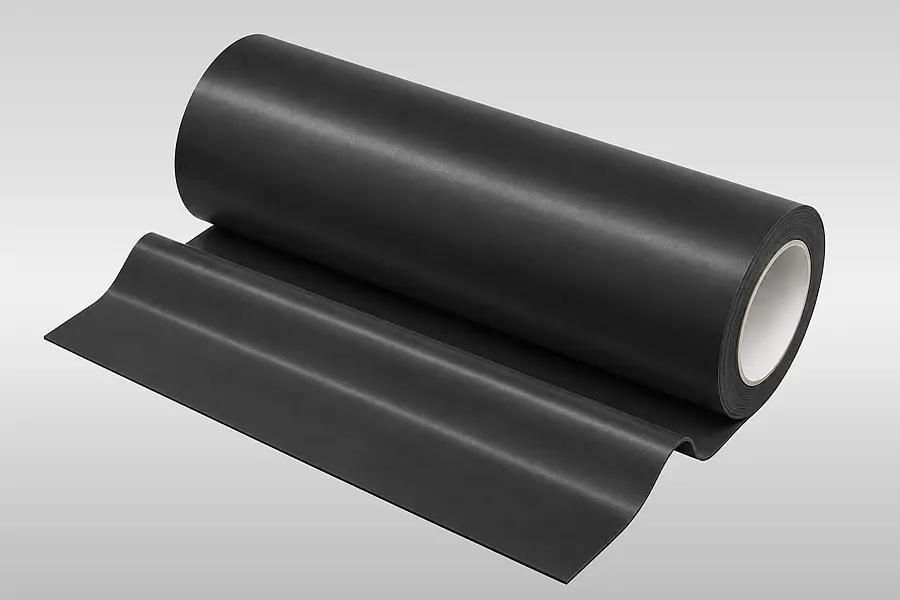
Rubber
The specific rubber grade, together with hardness, thickness and contour, determines whether a die cut part is feasible. A material specification or sample supports a reliable review.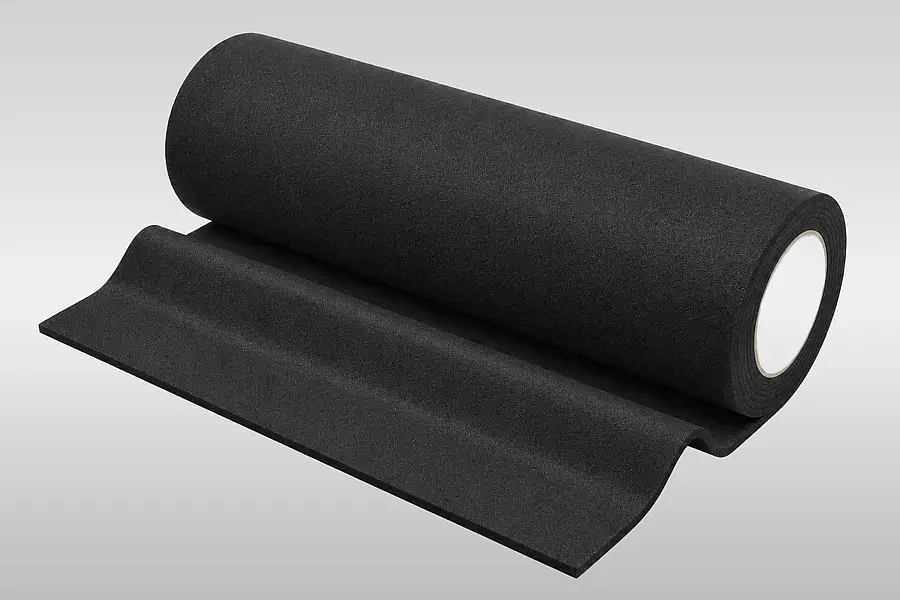
EPDM cellular rubber
EPDM cellular rubber is also assessed for suitable flat die cut parts. Hardness, thickness and the intended contour must suit the process.06
RUBBER DIE CUTTING ON VIDEO
07
DECISION CRITERIA FOR RUBBER
| Criterion | What needs to be clarified |
|---|---|
| Rubber grade | Material type, hardness and structure to assess the suitable die cutting method |
| Geometry | Outer contour, inner cut-outs and dimensions from a drawing or sketch |
| Adhesive backing | Desired adhesive layer, carrier and handling during assembly |
| Delivery format | Individual pieces, die cuts on sheets or on a roll to suit pick-up |
Check suitability by project
08
DETAILS FOR YOUR RUBBER DIE CUTS
Describe the application and the part's intended function. Name the base material or send a sample, along with its thickness and hardness if known. A drawing or sketch shows the outer contour and cut-outs; the required dimensions and quantity help us choose a process.
Tell us whether the part should be self-adhesive or non-adhesive and whether you need individual pieces, die cuts on sheets or die cuts on a roll. Details of pick-up, positioning and the desired backing are useful for subsequent processing.
09
QUESTIONS ABOUT RUBBER DIE CUTTING
Which rubber grades can be die cut?
Suitable rubber grades and EPDM cellular rubber can be die cut. Feasibility depends on the specific grade, hardness, material thickness and contour. Send us the material designation or a sample together with your drawing so that we can assess the process for your part.
Can rubber die cut parts have a self-adhesive backing?
Yes, suitable rubber materials can be given a self-adhesive backing. The adhesive layer and carrier must suit the rubber grade and the subsequent application. Please tell us what the part will be attached to and how it needs to be picked up and positioned.
When is flatbed die cutting preferable to rotary die cutting?
The choice depends on the base material, thickness, hardness, contour and required delivery format. In flatbed die cutting, a tool cuts the contour in a stroke; in rotary die cutting, suitable web material is processed continuously. We choose the method after reviewing your specific requirements.
How are rubber die cut parts supplied?
Depending on the material, contour and subsequent processing, individual pieces or die cuts on sheets or rolls are possible. For self-adhesive executions, the carrier is relevant to pick-up and assembly. We agree the appropriate delivery format with you.
What if my rubber cannot be die cut?
We then assess another suitable way to process the specific material and required contour. Laser cutting may be an option for some executions, but its suitability is not assured for every rubber grade. Material details, geometry and the intended function of the part are the basis for the decision.
Enquire about rubber die cuts for your application
Send us material details and your drawing or sketch. We will assess the die cutting method, adhesive backing and delivery format for your component.

RUBBER DIE CUTTING ADVICE
Thomas Klein
Contact for converting
Thomas Klein will discuss material, contour and delivery format with you for your enquiry.