

Laser-cutting foam
Laser cutting foam for application-specific parts
We laser-cut suitable foam into contours tailored to the application. Material structure, thickness and the required cut edge determine the approach; we assess these details for your seal, protective layer or packaging insert.
01
Laser-cut foam parts
How are foam shapes made without a cutting die?
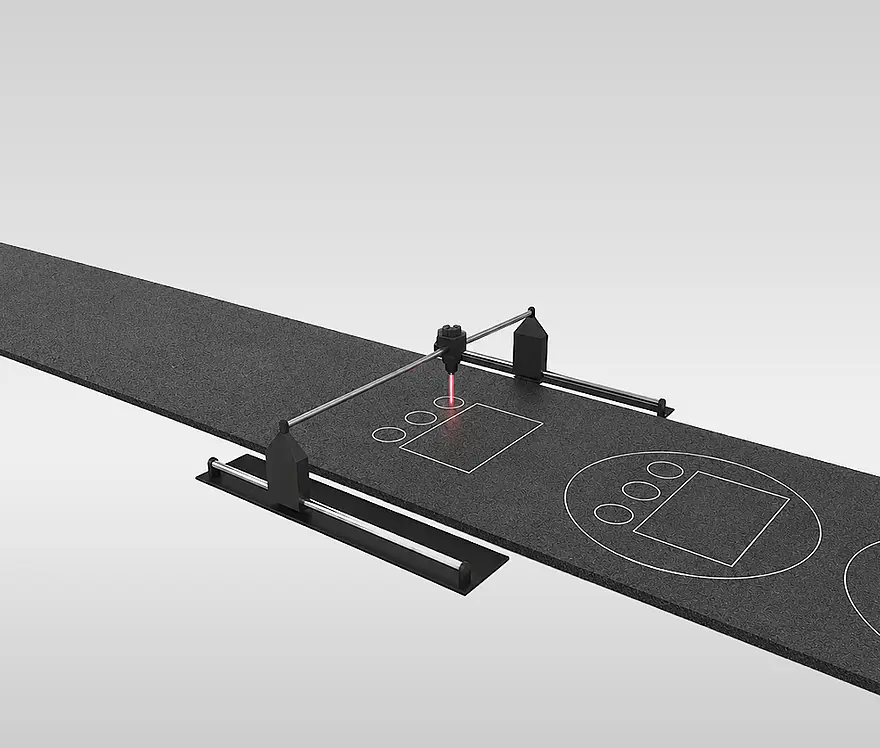
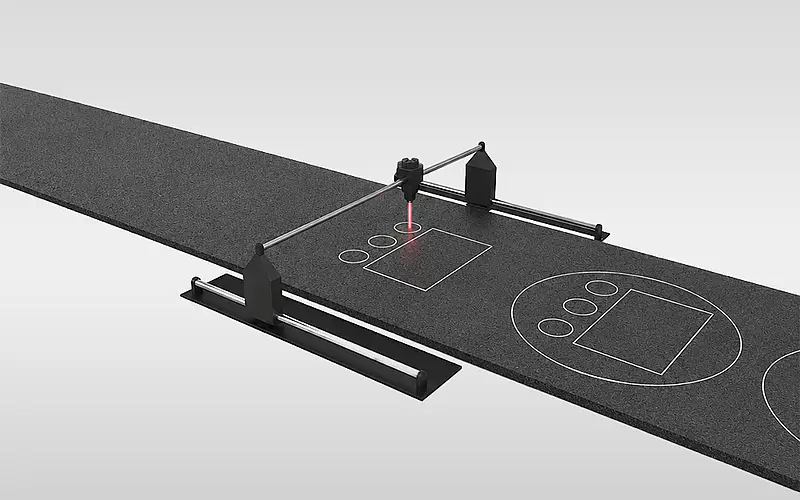
In laser cutting, a laser beam follows the planned contour through suitable foam stock. This can produce outer contours, internal cut-outs and, with suitable multilayer constructions, selective cuts in individual layers. No shaped cutting die is required; data preparation, setup and processing still form part of production.
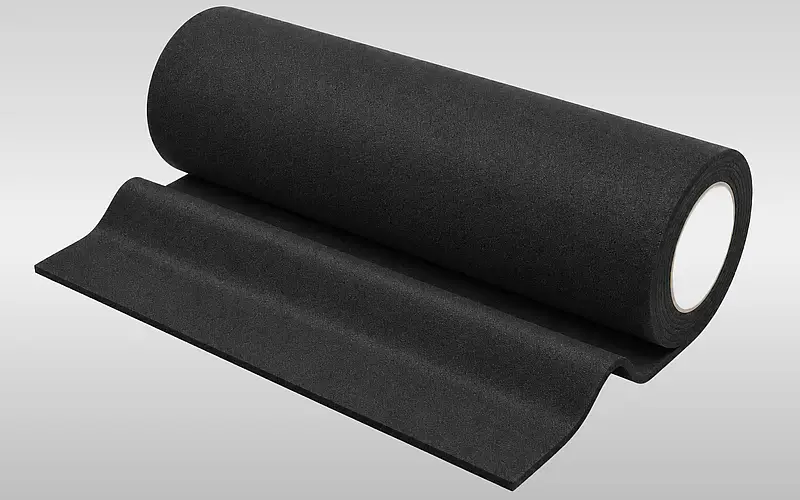
We assess PE and PU foams, cellular rubber and adhesive-backed foams for seals, cushioning, protection and packaging inserts. Whether a specific material can be laser-cut depends on its construction, thickness, density and response to heat. PVC is excluded from laser cutting. A sample can help assess the cut edge and the part's function in the assembly.
If the requirement falls outside the normal laser-cutting range or calls for another process, we assess a suitable production route. Foam die-cutting and foam cutting to size are separate options.
02
From foam requirement to finished part
Step 01
Clarify application and contour
Tell us the function, material construction, dimensions, quantity and required delivery format. A drawing or sample helps but is not essential for an initial discussion.
Step 02
Assess suitability for laser cutting
We assess the stock, including thickness, adhesive layer and liner, together with the planned contours. Response to heat and the cut edge determine suitability.
Step 03
Agree the execution
Where needed, we agree samples, layer cuts and handling with you. You test fit and function on the component and approve the execution.
Step 04
Produce the parts
Once you approve the execution, we produce the suitable contours and supply the parts in the agreed format.
03
Foam contours and layer cuts
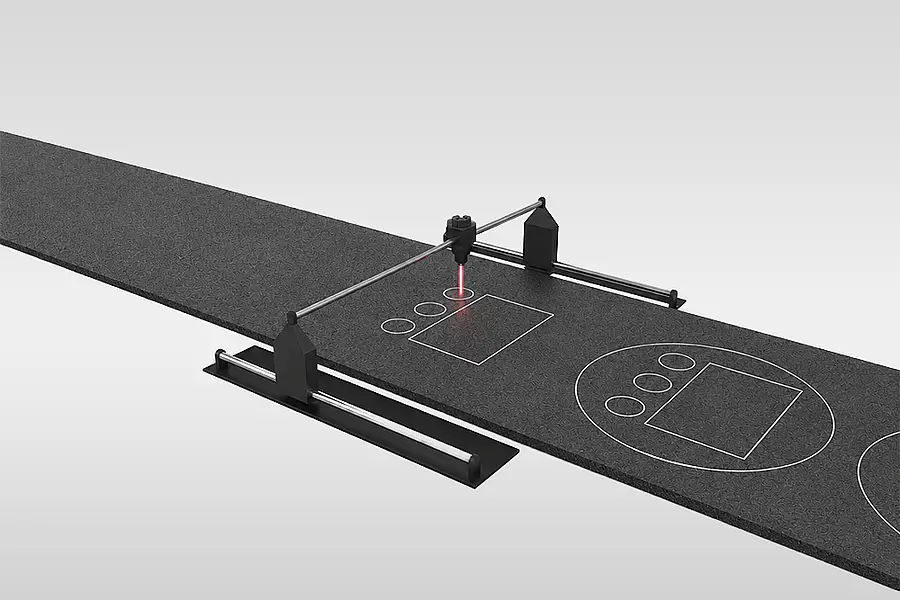
Outer contours and internal cut-outs
The laser follows planned contours and can cut openings within a suitable foam part. We assess the material and required cut edge first.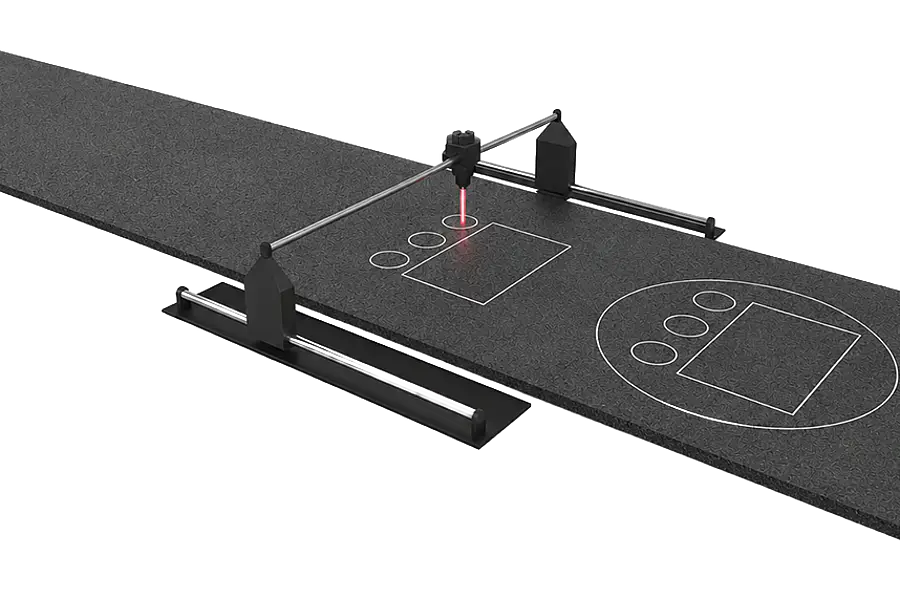
Selective layer cutting
Individual layers in suitable multilayer foam constructions can be processed selectively. The layer and liner to retain are defined for the specific construction. Compare kiss-cut die-cutting →04
Possible foam parts
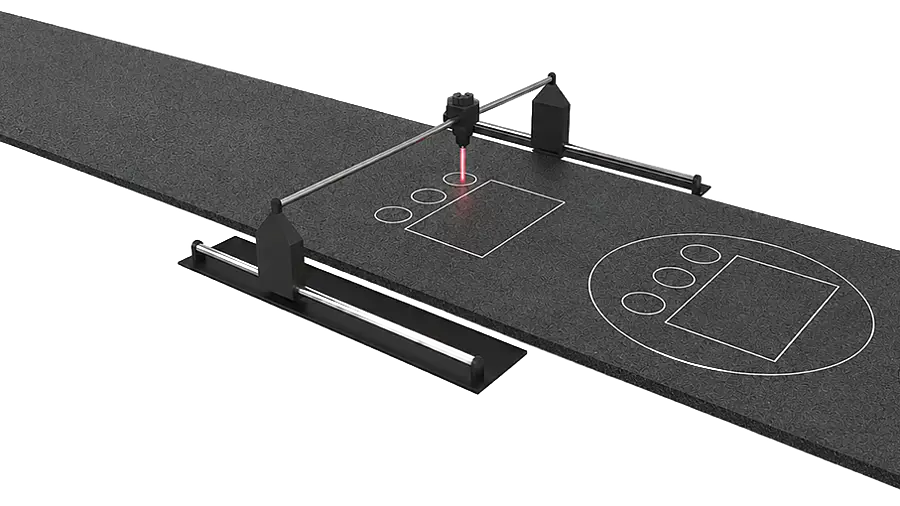
Contoured parts for sealing and protection
We produce shapes, pads or inserts from suitable foam when the material and geometry are right for laser cutting.05
Foam stock
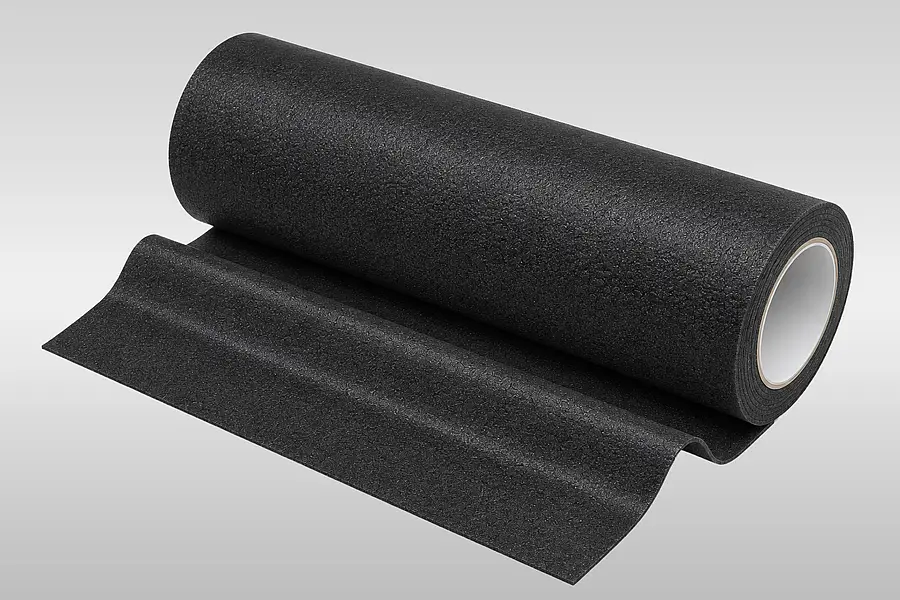
PE foam
For PE foam, we assess density, thickness and the required cut edge on the actual material before deciding whether it suits your laser-cut part.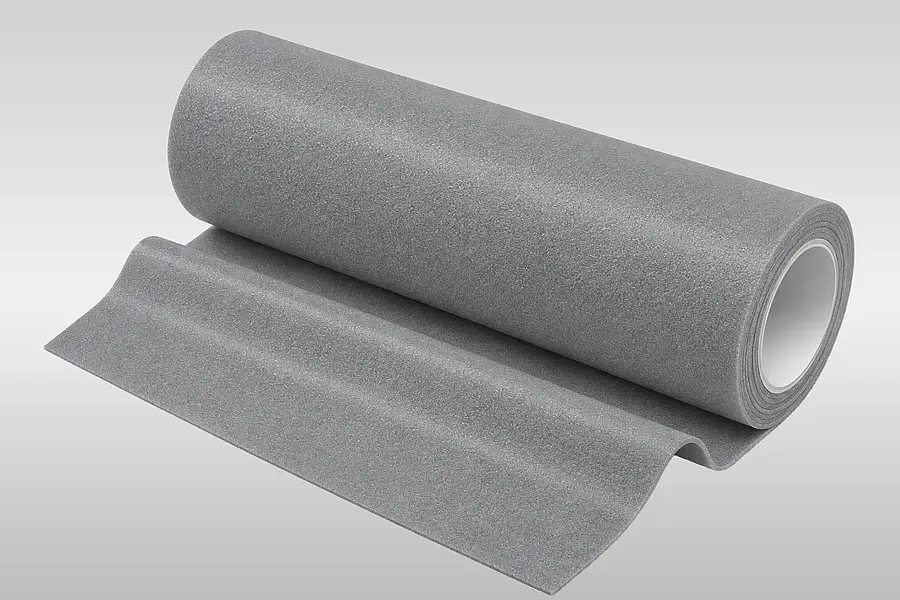
PU foam
PU foam can be processed after assessment of the actual construction. For visible edges, its response to heat needs particular attention.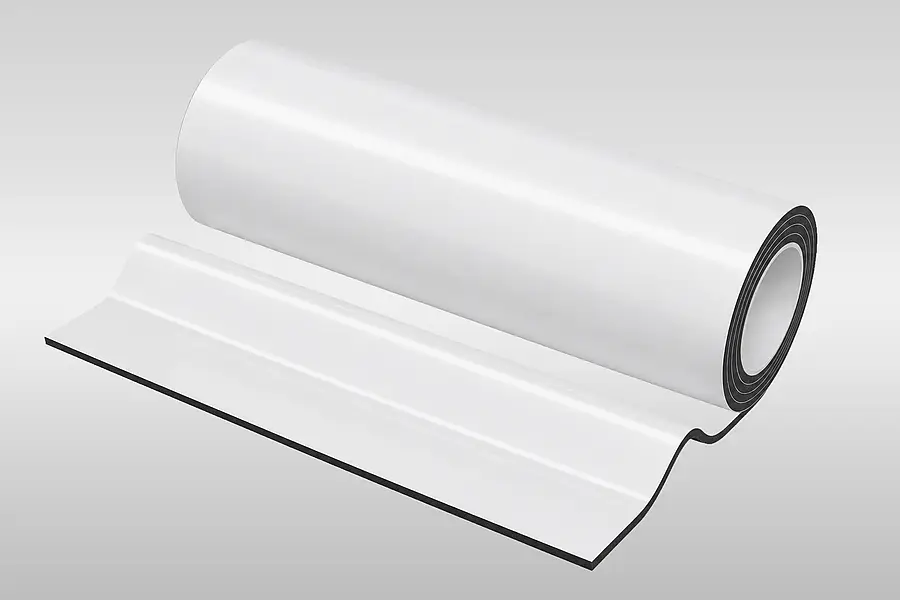
Foam adhesive tape
Adhesive-backed foam constructions are possible if the foam, adhesive layer and liner suit the planned cut. Include the full layer structure in your enquiry.06
See foam laser cutting
07
Assessing laser cutting for foam
| Criterion | For your enquiry |
|---|---|
| Stock material | PE, PU, cellular rubber and adhesive-backed foams need assessment of the actual construction. |
| Material thickness | Up to 5 mm for materials suitable for laser cutting; assess the specific foam separately. |
| Cut edge | Cell structure and heat response affect the edge; assess a sample where needed. |
| Multilayer construction | Layers and liners can be cut selectively to the agreed cut pattern. |
| PVC | PVC is excluded from laser cutting. |
Check each material
08
Details for your foam part
Describe the application and the part's intended function, such as sealing, cushioning, protection or positioning within an insert. State the foam type and construction, including any adhesive layer or liner, the material thickness, required outer and inner contours, dimensions, quantity and delivery format. A drawing or sample helps the assessment, but we can discuss the requirements before a finished drawing is available.
For function-critical or visible edges, tell us what cut appearance you expect and which assembly conditions matter. This enables us to agree material suitability, any need for samples and a suitable production route with you.
09
Questions about foam laser cutting
How does the cell structure affect the cut edge?
Cell structure and density affect how foam responds to the heat of the laser. For a visible or function-critical laser-cut foam part, the actual material should therefore be sampled with the planned contour. A material name alone does not establish a particular edge quality.
Can I enquire about a foam part without a finished drawing?
Yes. An initial assessment needs a description of the application and intended result, the stock material, approximate dimensions and planned quantity. A drawing or sample helps define outer and inner contours later. We agree the technical execution with you.
What matters when cutting adhesive-backed foam with a liner?
The complete layer structure needs to be known. When laser-cutting a multilayer construction, individual layers, including the liner, can be processed differently; the layers to cut or retain are defined for the part. Foam, adhesive system and liner are assessed for suitability and handling.
When should a process other than laser cutting be considered?
We assess alternatives if the material or thickness does not fit the laser-cutting range, its response to heat affects the required cut edge, or the delivery format points to another process. Foam die-cutting and cutting to size are separate options. The application determines which route is appropriate.
Have your foam part assessed
Send the adhesive technology team your application, material and contour. We will check whether laser cutting suits your foam part and intended delivery format.

Advice on laser-cut foam
Thomas Klein
Contact for converting
Thomas Klein discusses the material construction, contour and required delivery format for your laser-cut foam part.