

3M Select Converter · Adhesive technology
3M Converter: converting adhesive tapes and films
Krückemeyer GmbH converts suitable 3M adhesive tapes and films for your specific application. We turn the starting material into agreed dimensions, shapes and delivery formats that fit your production process.
3M Select Converter
Converting recognition
ISO 9
Cleanroom class where suitable
01
Converting 3M materials
From 3M starting material to the required delivery format
As a 3M Select Converter, Krückemeyer GmbH further processes selected 3M adhesive tapes and films. Here, converting means giving an existing starting material the dimensions, shape, construction or presentation required by your application and subsequent handling. Conversion does not turn it into a different material; suitability for the surfaces and operating conditions must be checked first.
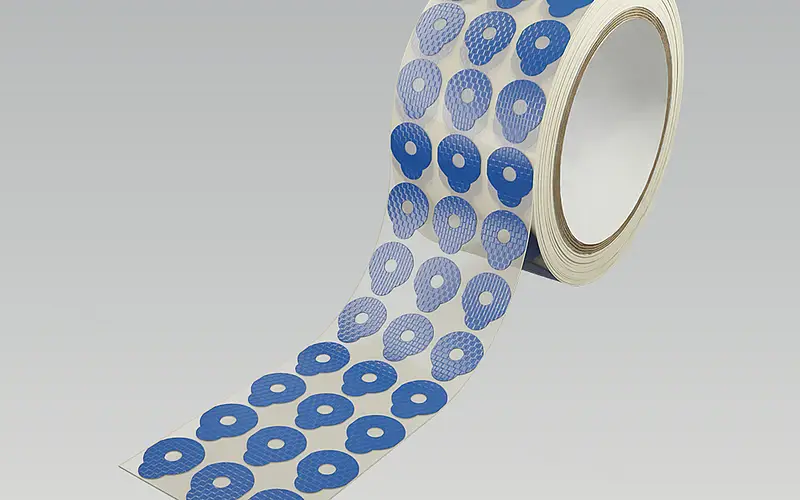
Slitting and rewinding may be suitable for roll formats. If defined contours, cut-outs or separate parts are needed, we assess die cutting or laser cutting. Laminating can combine suitable layers into a composite; application aids such as finger lifts or pull tabs can support manual or automated placement. The choice depends on the required geometry, dimensions and delivery format, rather than on the brand name alone.
A catalogue roll of 3M tape is therefore not necessarily ready for your component. We first discuss the function, surfaces and process, then the suitable starting material and feasible conversion. The result could be a slit roll, die cut parts on sheets or a laminated composite; the actual specification is assessed for your enquiry.
02
Agreeing the 3M conversion
Step 01
Describe the application
Tell us about the component, the surfaces to be joined, the required function and whether application will be manual or automated.
Step 02
Assess material and process
We compare the requested 3M material with the geometry, dimensions, delivery format and possible manufacturing methods.
Step 03
Agree the specification
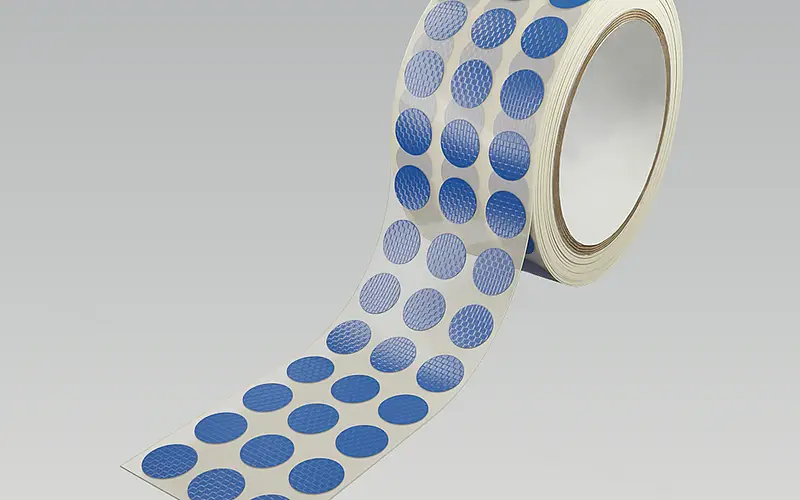
We agree the contour, cut line, liner and any application aids using your drawing or a sample.
Step 04
Convert and supply
After the technical details are clear, we make the agreed specification in a delivery format suited to your next process.
03
Methods for 3M starting materials
Die cutting 3M tape
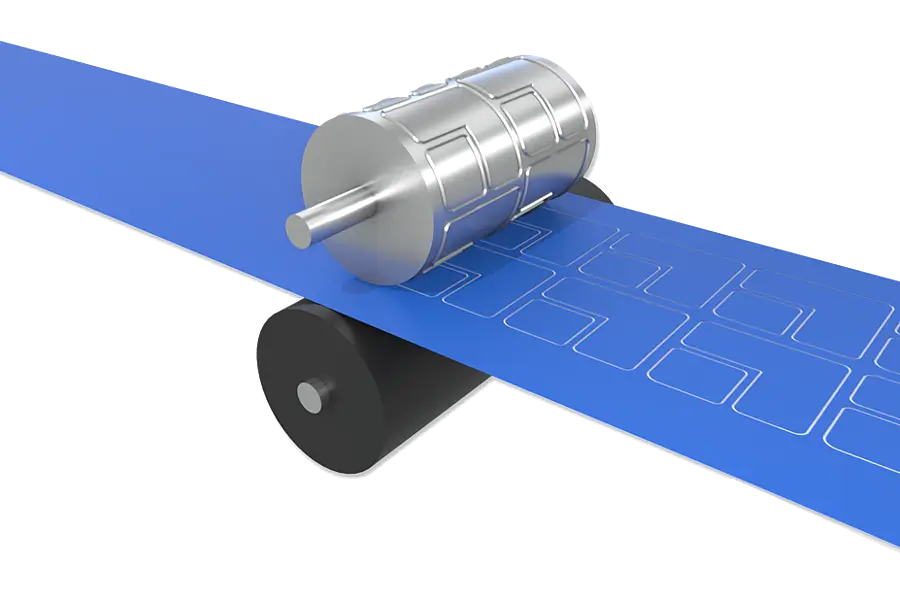
We assess die cutting for defined contours and cut-outs. The actual geometry and layout follow your component drawing. Explore tape die cutting →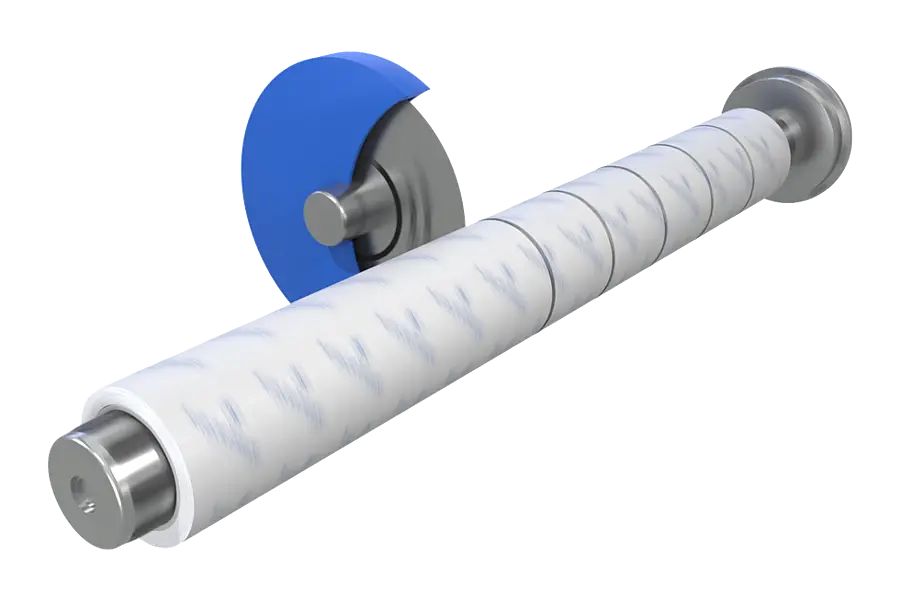
Slitting 3M tape
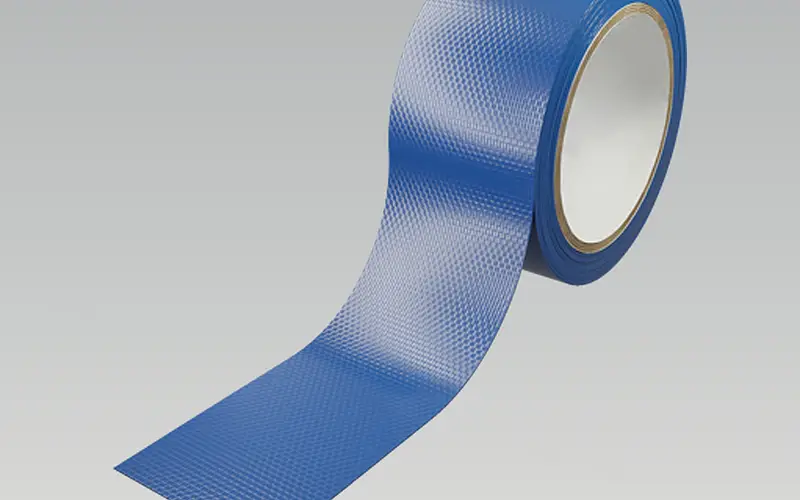
Roll width and length can be adapted for handling and feeding. Feasible dimensions depend on the starting material and specification. Explore tape slitting →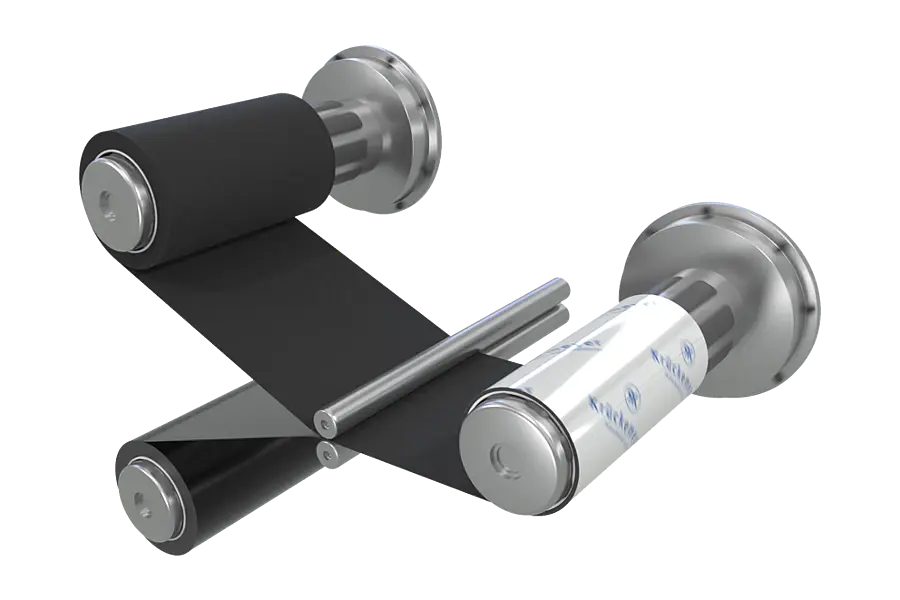
Laminating 3M tape
Suitable layers can be combined into a composite. We agree the construction, liner and subsequent processing together. Explore tape lamination →04
Possible delivery formats
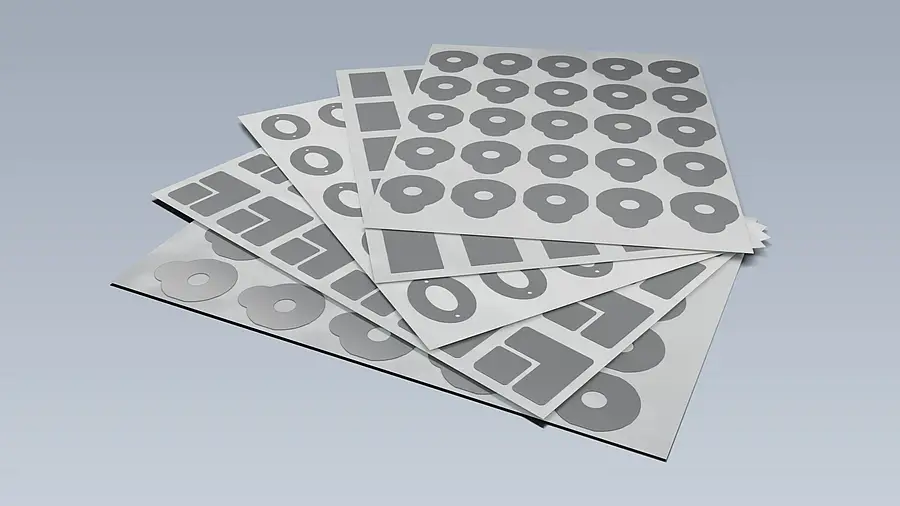
Die cut parts on sheets
Several separate contours are supplied on sheets. We check whether this format suits the 3M starting material, contour and removal method. Assess die cutting →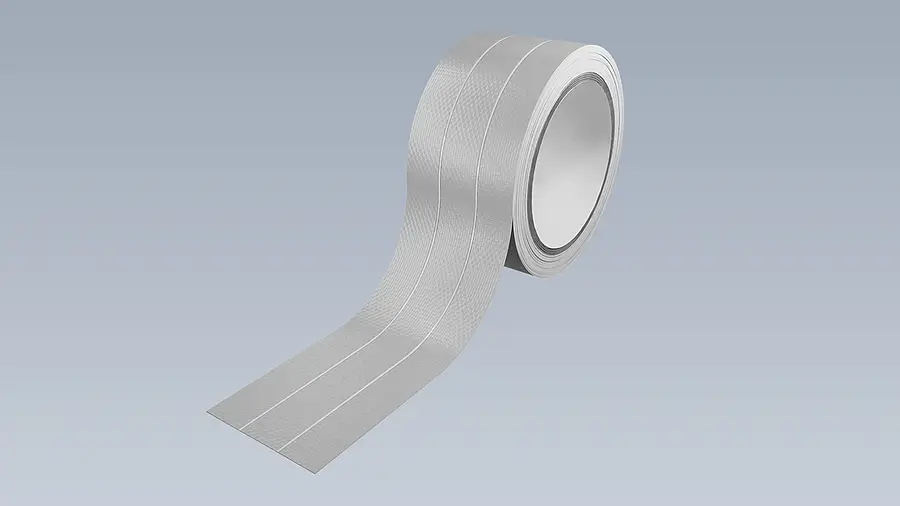
Adhesive strips on rolls
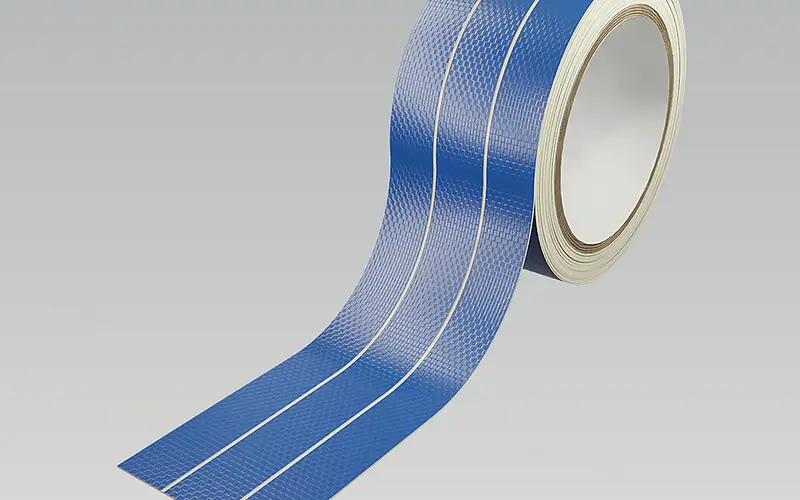
Roll delivery can support feeding the strips into production. Width, spacing and length are agreed for the application. Assess roll slitting →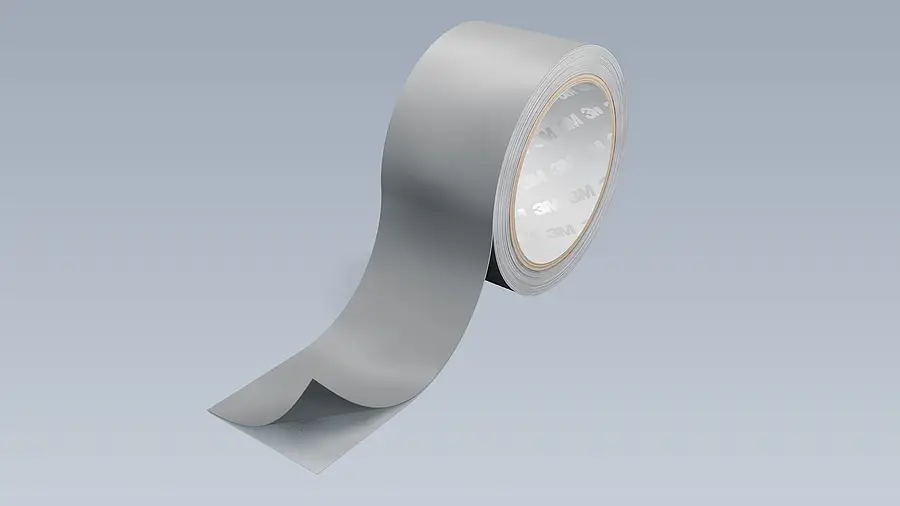
Laminated composite
A suitable composite combines layers for the required function. We check whether the construction can be made with the selected 3M material. Assess lamination →05
Assessing 3M starting materials
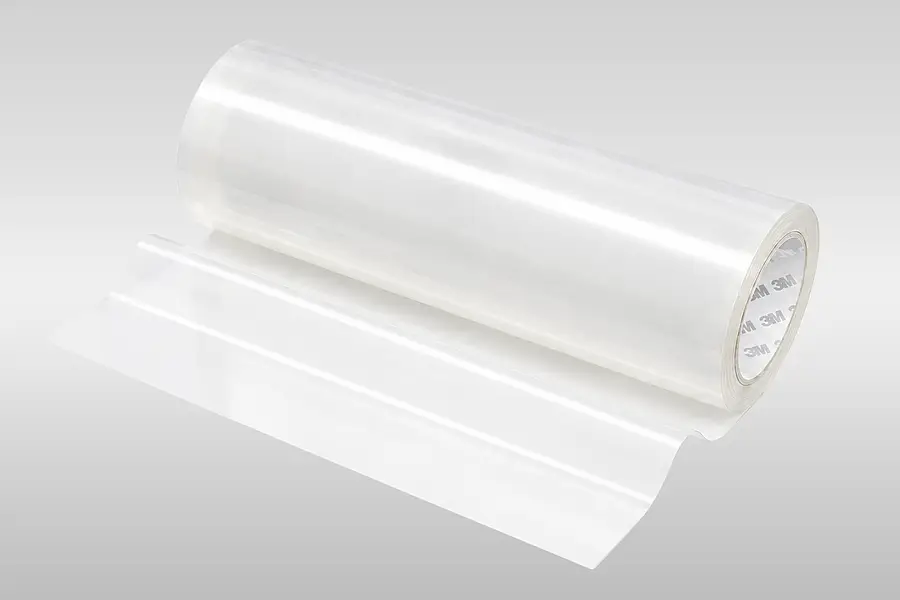
3M film tapes
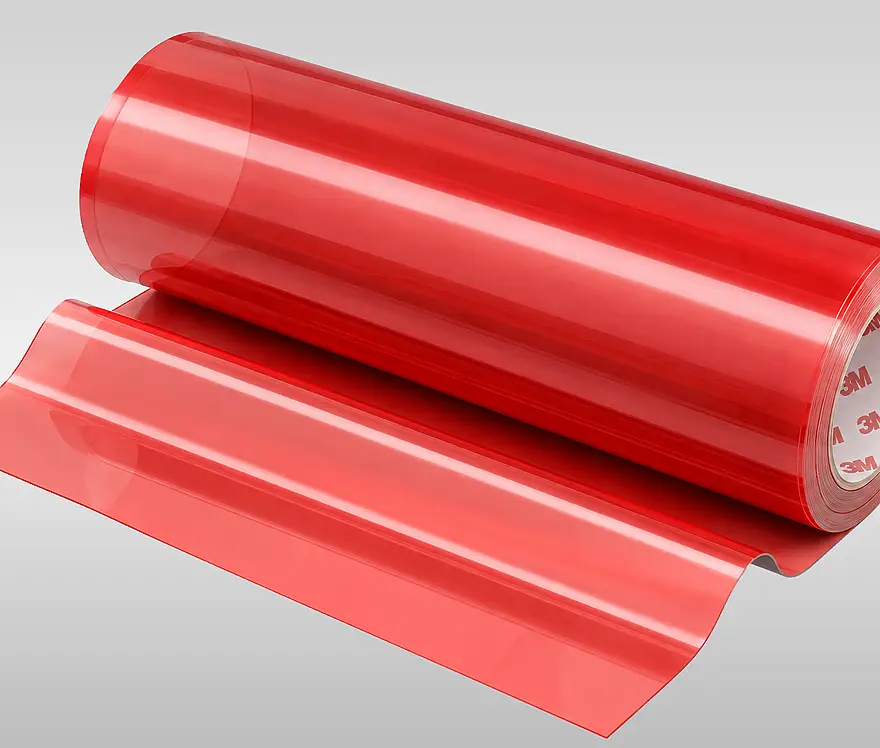
Film backed tapes can be a starting point for slit rolls or die cut parts. The material construction and adhesive determine the selection. Tape converting →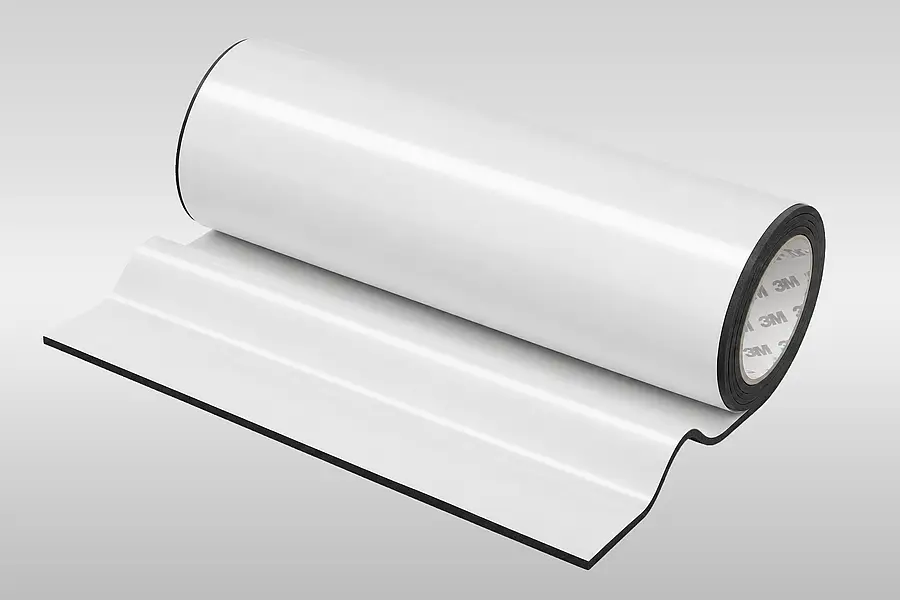
3M foam tapes
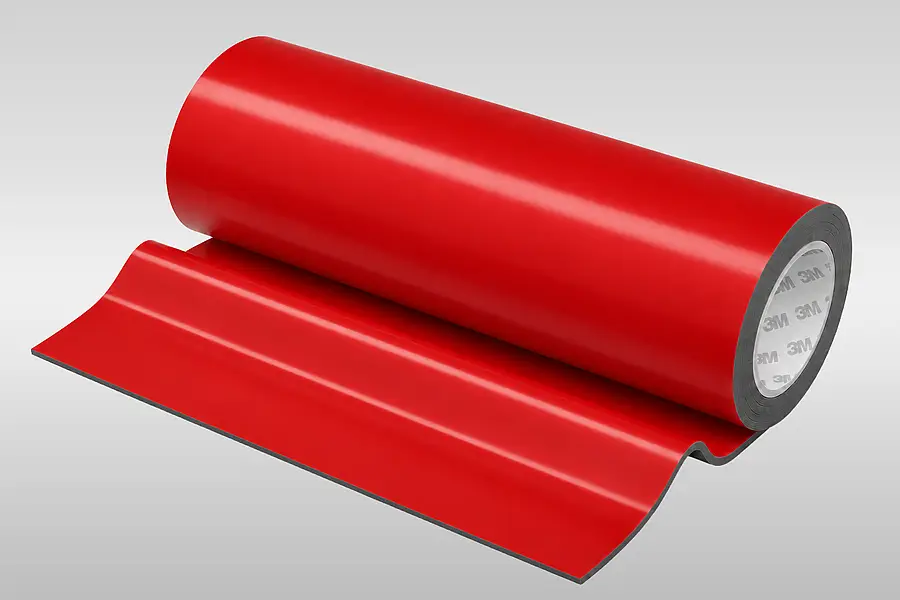
Foam backed tapes are selected according to the required function and component geometry. Possible cutting depends on the actual specification. Tape converting →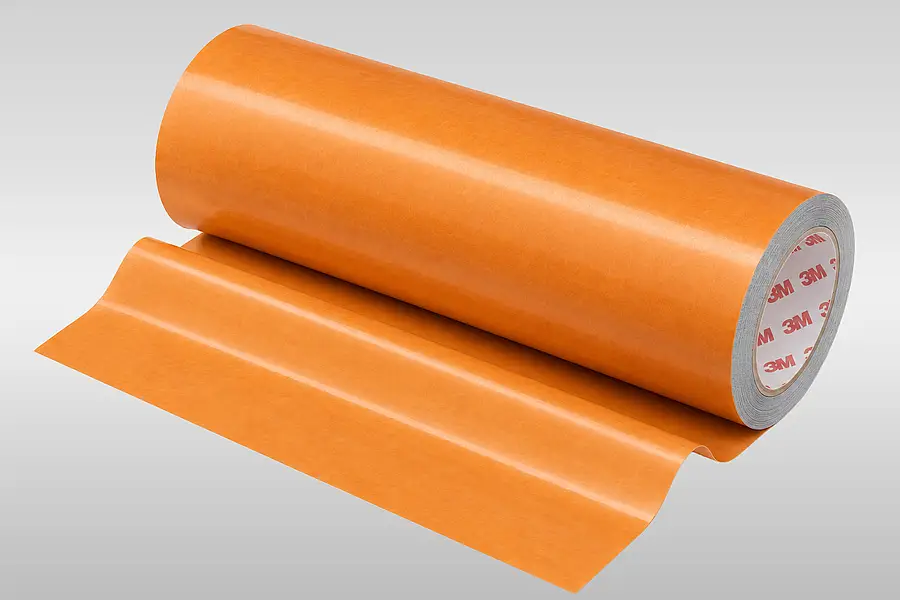
3M cloth tapes
Cloth backed tapes are another 3M material group. For conversion, we assess the format, backing, contour and required delivery form. Tape converting →06
Conversion and delivery formats
07
Choosing a method for the task
| Required format | Possible method | Details to agree |
|---|---|---|
| Roll in the required width | Slitting | Starting material, width and length |
| Contoured part with cut-out | Die cutting | Contour, layout and liner |
| Contour for samples or revisions | Laser cutting | Material suitability and geometry |
| Multilayer composite | Laminating | Layer construction and subsequent handling |
Subject to material assessment
08
Details for your 3M enquiry
Describe the application and required result. Useful details include the 3M starting material or material group, the surfaces to be joined, dimensions and contour, the required delivery format and the planned quantity. Tell us whether the part will be applied manually or automatically.
A drawing or sample helps us assess cut-outs, liners and application aids. If you have not selected a specific 3M material, we can first clarify the requirements and then assess suitable starting materials and methods. Material dependent limits are considered for the requested specification.
09
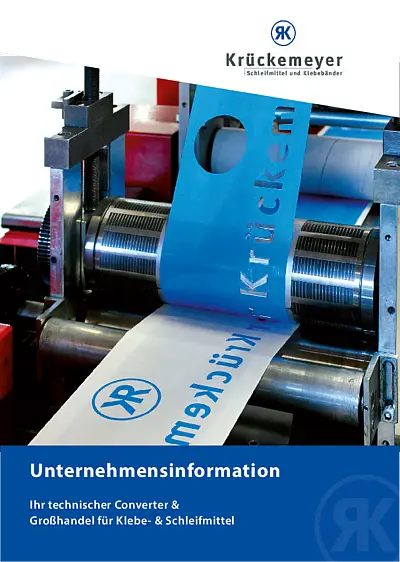
Information on converting
10
Questions about 3M converting
What does 3M Select Converter mean at Krückemeyer?
Krückemeyer GmbH has been recognised as a 3M Select Converter. For a specific enquiry, we assess a suitable 3M starting material and its conversion into the required dimensions, shapes or delivery formats. The right method depends on the application, geometry and material.
Which 3M materials can be converted?
3M adhesive tapes and films may be suitable starting materials, including film, foam and cloth backed tapes. The material group alone does not determine the production method. The properties of the specific material, required shape and delivery format are decisive, so we assess these for your enquiry.
How do slitting and die cutting differ for 3M tape?
Slitting primarily changes the width or length of a roll. Die cutting produces defined contours and can include cut-outs. If you need a shaped part rather than a narrower roll, die cutting may be suitable. We assess the feasible geometry using your drawing and the starting material.
When does laminating a 3M material make sense?
Laminating may be appropriate when the required specification calls for a composite of suitable layers. The material and construction are agreed with the function and subsequent processing in mind. We assess suitability and the actual layer construction for the selected 3M starting material; the method does not create unsupported material properties.
What information helps with a 3M converting enquiry?
The most useful details are the application, required result, starting material or material group, component dimensions, contour and delivery format. Include the planned quantity and handling method. A drawing or sample can help the technical discussion; you do not need to have selected a specific 3M product before initial advice.
Enquire about 3M converting
Describe the starting material, component and required delivery format. We will assess suitable conversion options and next steps with you.

Advice on 3M adhesive technology
Thomas Klein
Contact for converting
Thomas Klein supports your enquiry about selecting and converting suitable 3M adhesive tapes.