

Adhesive tape for your processing line
Adhesive tape converting for your application
We convert suitable adhesive tapes into rolls, cut pieces or die-cut parts tailored to your application. We align material, shape and delivery format with your process.
01
Adhesive tape as input material
From adhesive tape to the required format
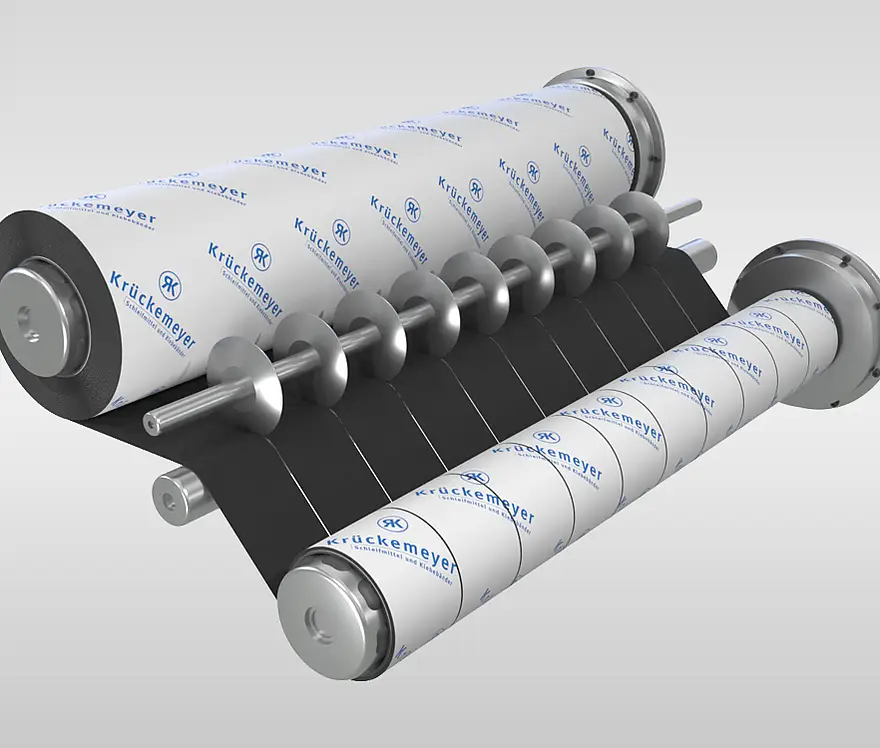
Adhesive tape converting means preparing suitable input material for a component and its processing method. A parent roll can become narrower rolls, cut lengths or die-cut parts. Lamination combines suitable materials into a composite; winding changes the delivery format.
The required bonding function and handling during assembly determine the design. We therefore examine the tape construction, dimensions, contour and application process with you. The suitable combination of process and delivery format depends on the specific material and task.
02
Working together on your tape
Step 01
Describe the application
Tell us about the component, bonding task, current material and the intended processing sequence.
Step 02
Assess material and shape
We assess the input material, dimensions, geometry, carrier and required delivery format for a suitable production method.
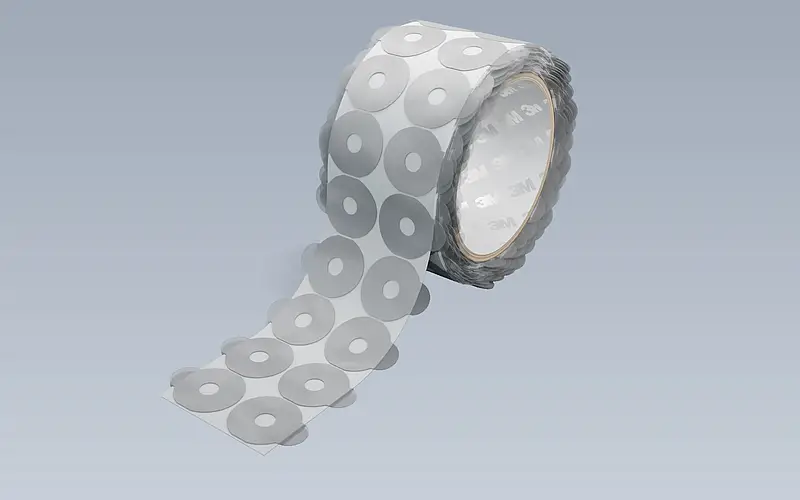
Step 03
Agree on the format
Where useful, we agree on samples and handling aids. You test the proposed format in your application.
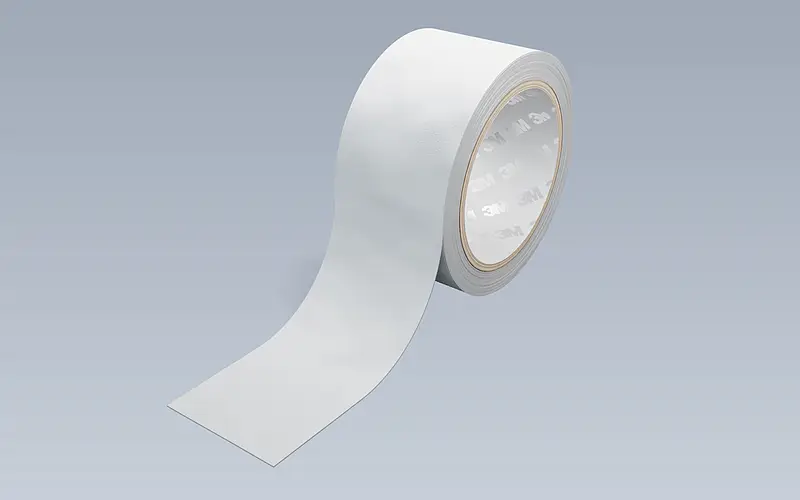
Step 04
Produce the tape format
After agreement, we produce the specified shape and delivery format for your processing method.
03
Processing methods for adhesive tape
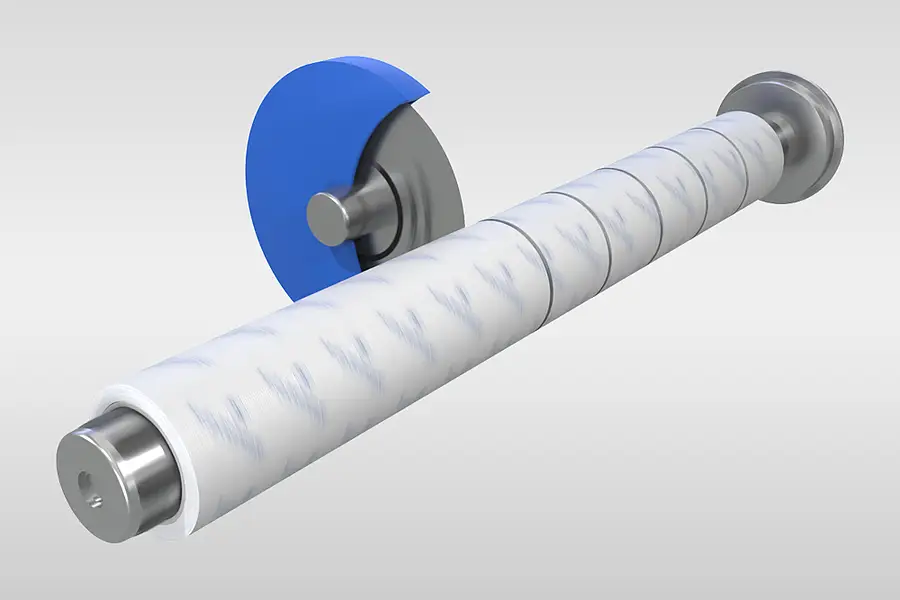
Cutting
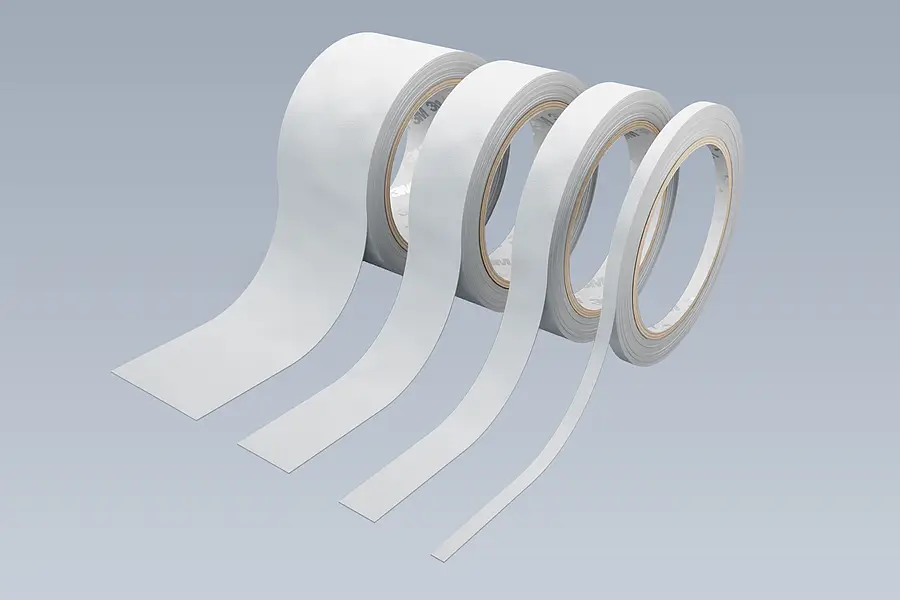
Roll width and running length are agreed to suit handling and material demand. Cutting adhesive tape →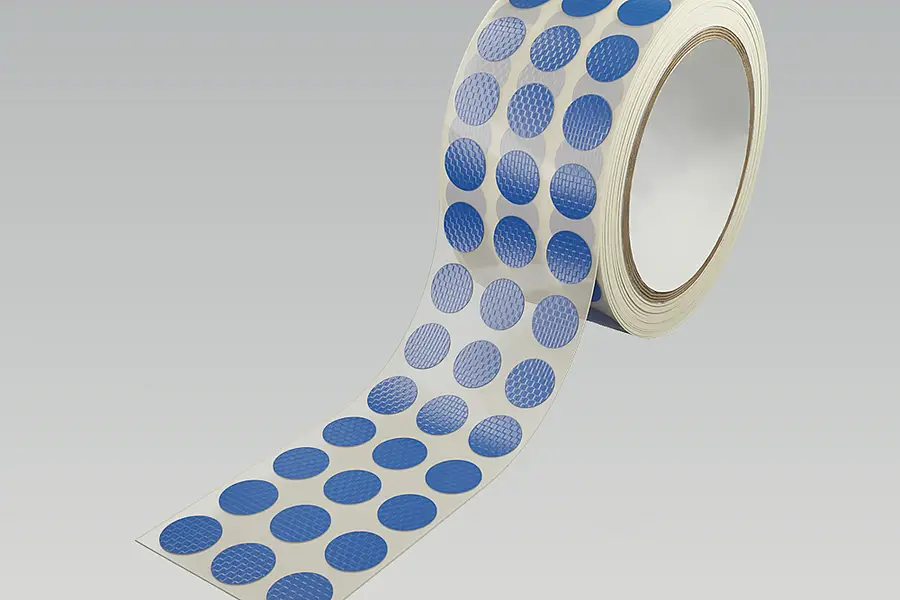
Die-cutting and laser cutting
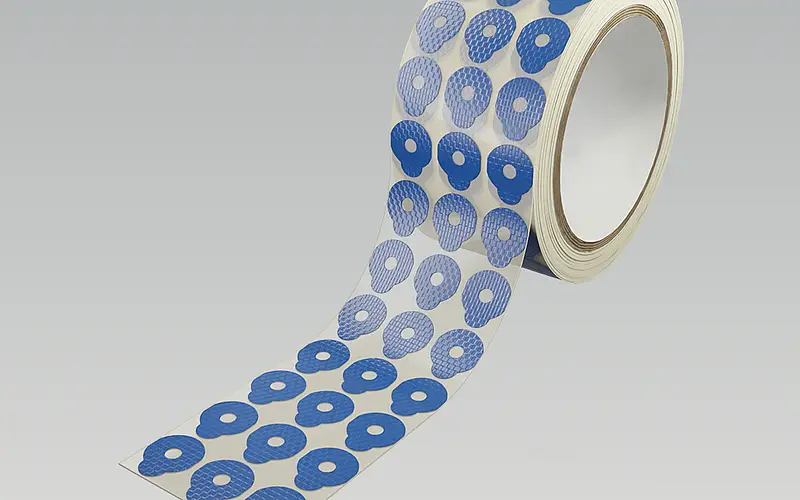
Suitable tapes receive application-specific contours. Process selection depends on material and geometry. Die-cutting adhesive tape →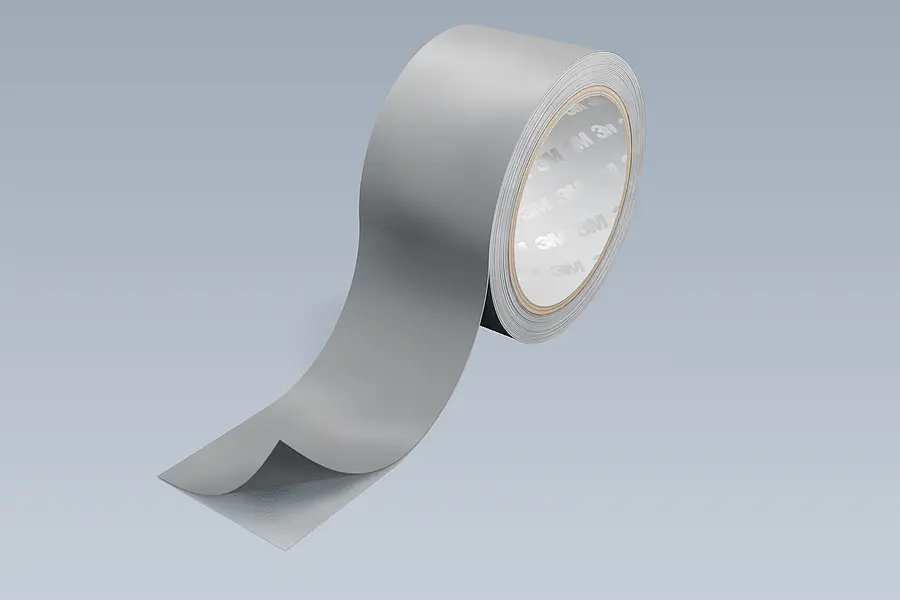
Lamination
Suitable adhesive tapes and other layers are combined into a specified material composite. Laminating adhesive tape →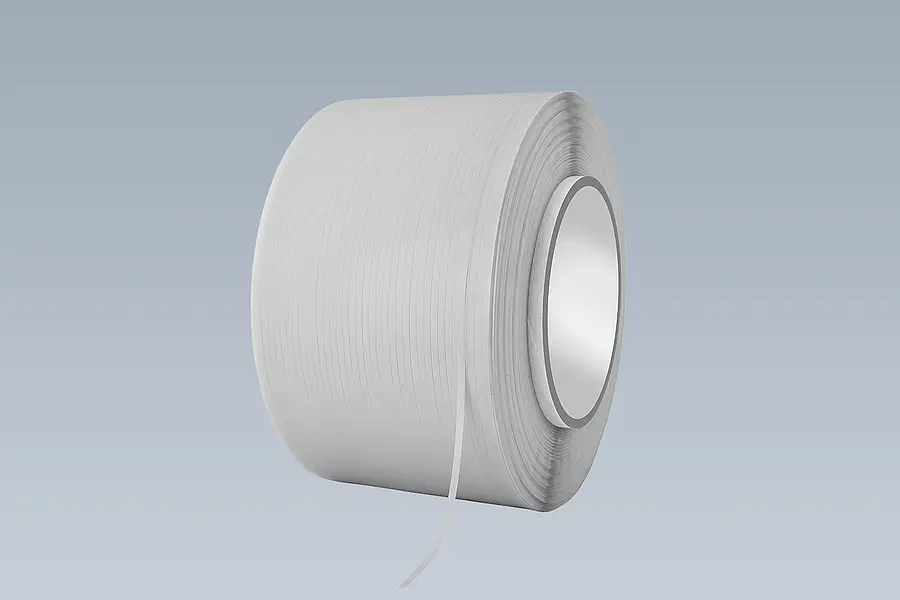
Winding
For suitable narrow tapes, a traverse-wound spool may provide a delivery format for longer running lengths. Explore traverse winding →04
Possible delivery formats
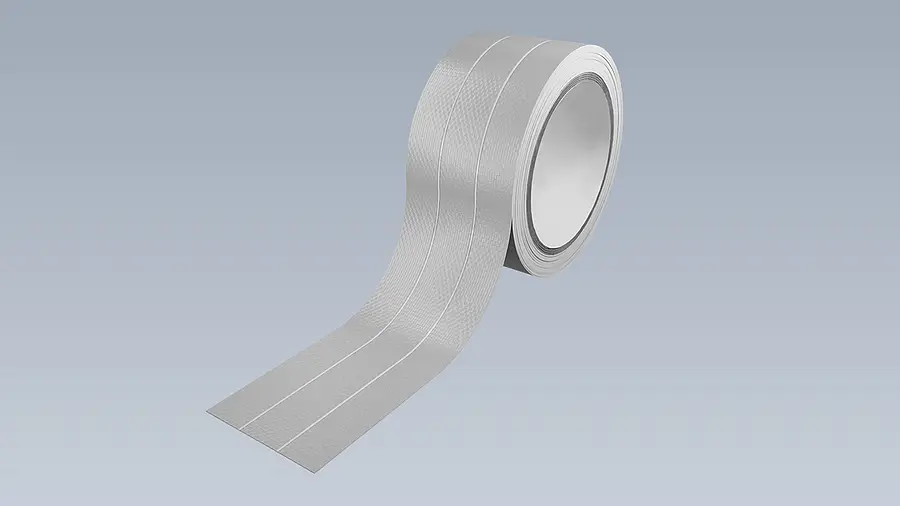
Adhesive tape rolls
Roll width and running length are specified for the intended unwinding process. Explore roll cutting →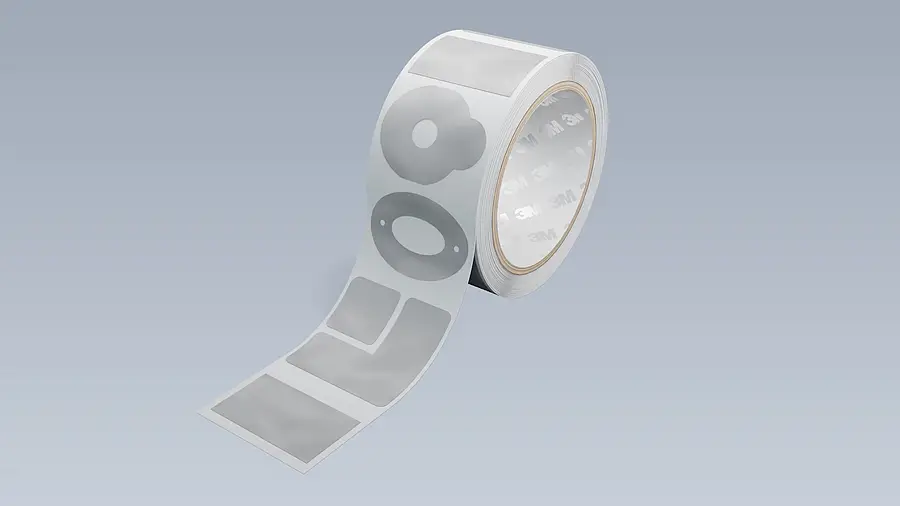
Die-cut parts on a roll
Shaped parts remain on a carrier for continuous removal or application. Explore tape die-cutting →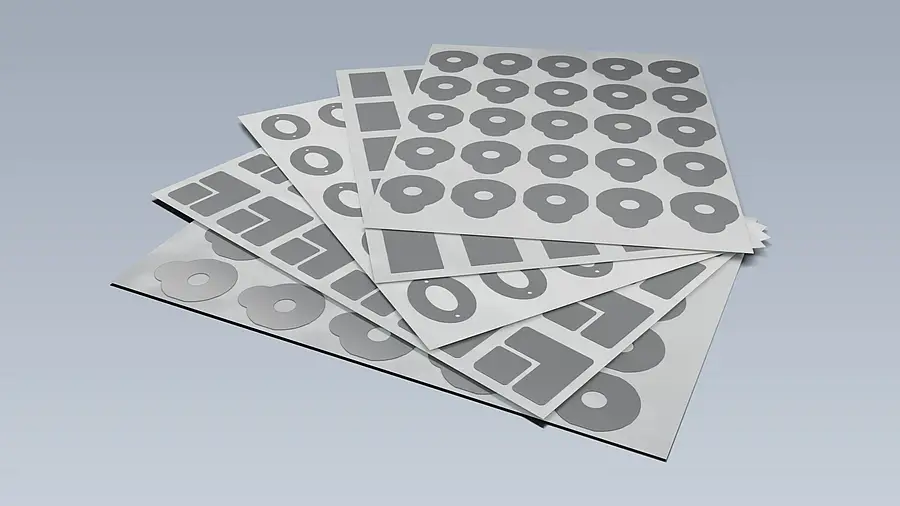
Die-cut parts on a sheet
Multiple shaped parts are arranged on a sheet to suit handling. Explore shaped parts →05
Suitable tape constructions
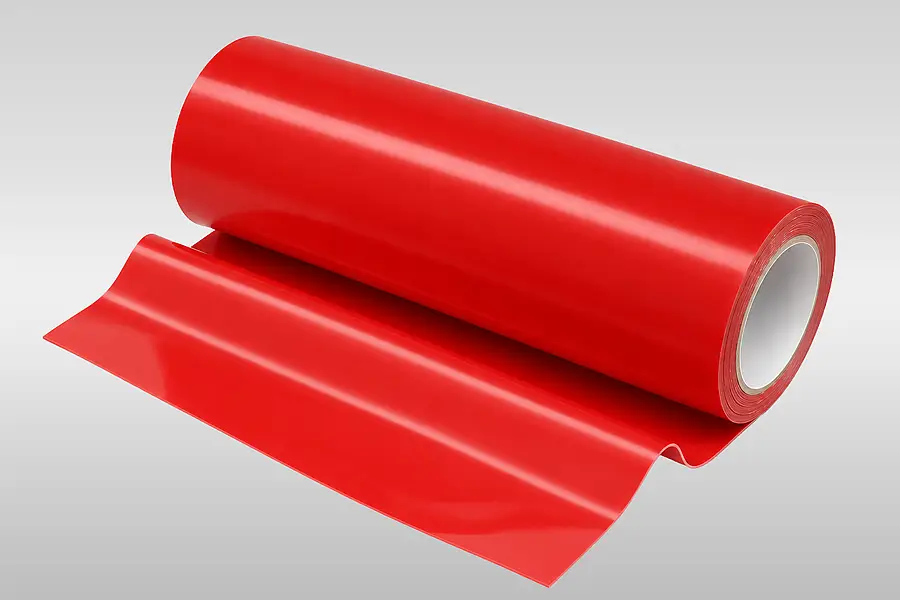
Film tapes
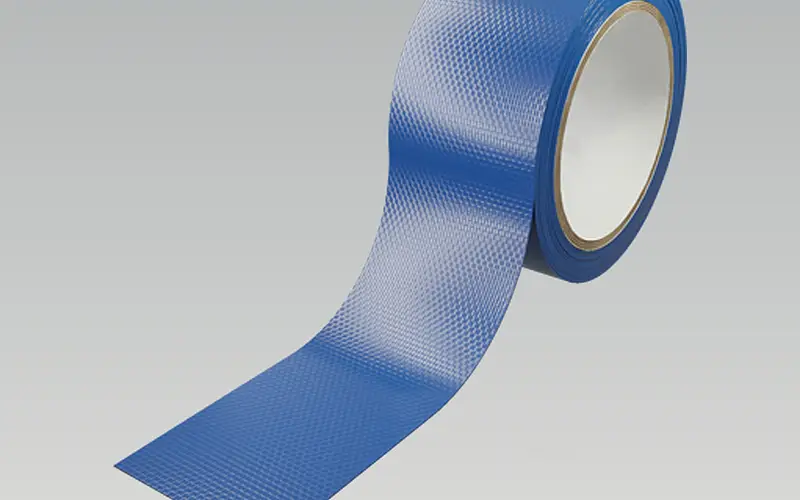
For film tapes, we assess the construction, dimensions and application to determine the suitable processing method. Film converting →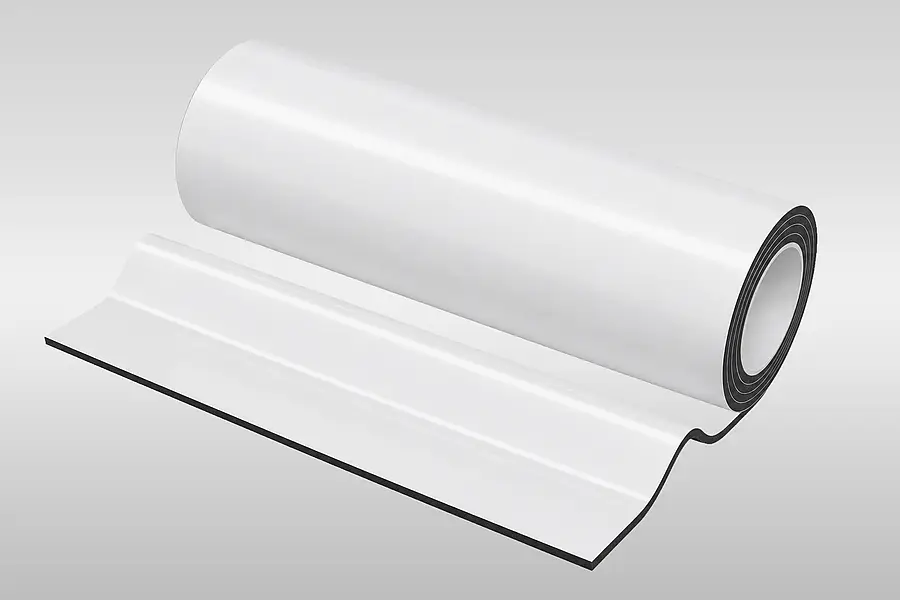
Foam tapes
For foam tapes, we assess which shapes and delivery formats the material construction allows.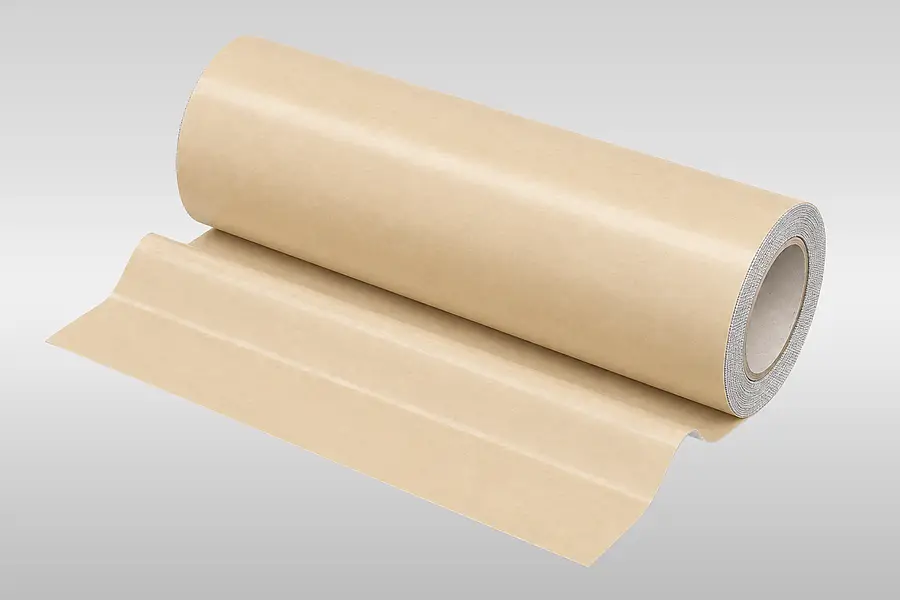
Fabric and nonwoven tapes
For fabric and nonwoven tapes, we assess the cut and contour against the specific material.06
Adhesive tape formats in pictures
07
Details for your tape enquiry
Describe your application, the required result and the adhesive tape you use or need. Include the component and surface, dimensions, contour, expected quantity, application method and preferred delivery format. A drawing or sample can help us assess the requirements.
If the input material has not yet been selected, explain the required function and processing conditions. We assess suitable materials and processes for the specific task; limiting dimensions and material combinations are not promised without a project assessment.
08
Documents on adhesive technology
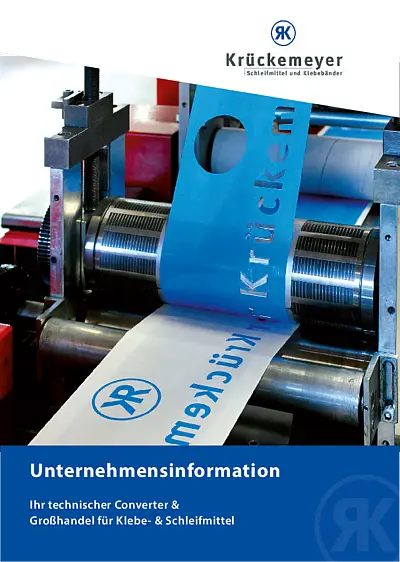
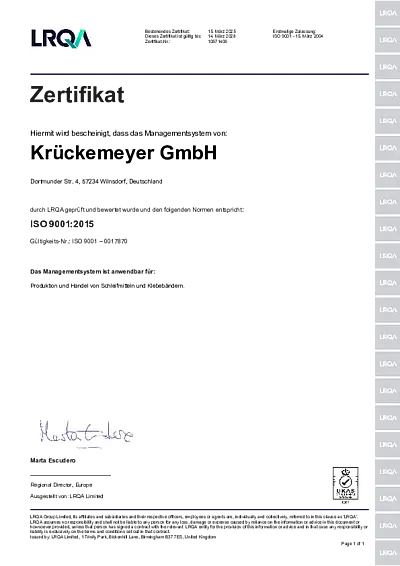
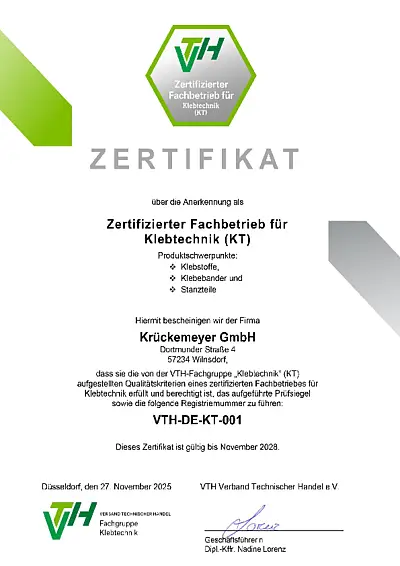
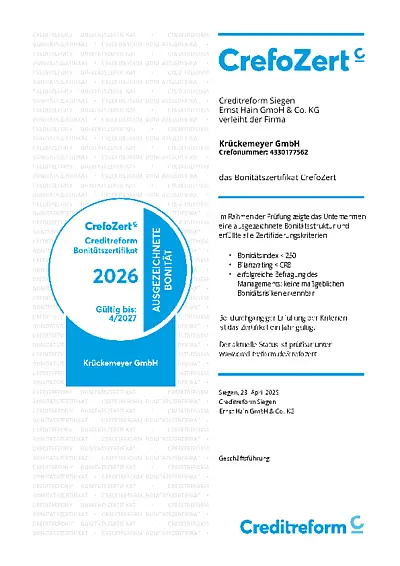
09
Questions about adhesive tape converting
Which adhesive tapes can be converted?
Suitable tapes with film, foam, fabric, nonwoven, paper or acrylic foam constructions may be considered. The material name alone does not establish suitability. We assess the input material, carrier, dimensions, required contour and intended application.
When should I choose a die-cut part instead of a tape roll?
A die-cut part is appropriate when the adhesive area needs a specific component contour. A roll suits a continuous tape in the required width and running length. The layout and carrier are agreed for manual or automated application.
Which delivery formats are available for adhesive die-cut parts?
Die-cut parts can be supplied on a roll, on a sheet or as individual parts. The choice depends on material construction, geometry, handling and the application process. Pull tabs or removal aids can also be assessed for the project.
Can a multilayer adhesive tape be processed?
Yes, suitable multilayer constructions can be laminated and processed further. During die-cutting or laser cutting, individual layers including the liner can be processed differently depending on the required construction. The specific material combination must be assessed.
What details do you need for an assessment?
Useful details include the application, bonding task, input material, dimensions, contour, quantity and required delivery format. Describe the intended handling process as well. A drawing or sample can make the assessment more precise; remaining details can be clarified during consultation.
Enquire about tape for your application
Tell us about the component, bonding task and required delivery format. We will assess the appropriate converting method and discuss the technical details.

Adhesive technology advice
Thomas Klein
Contact for converting
Thomas Klein discusses the material, format and application of your adhesive tape converting project with you.