

Adhesive tape production for your application
Adhesive tape manufacturer for application-specific formats
Krückemeyer GmbH combines the selection of suitable adhesive tapes with converting them into the dimensions, shapes and supply formats your application needs. The component, application process and handling requirements guide the choice.
01
Adhesive tape as input material
What can an adhesive tape manufacturer do for your application?
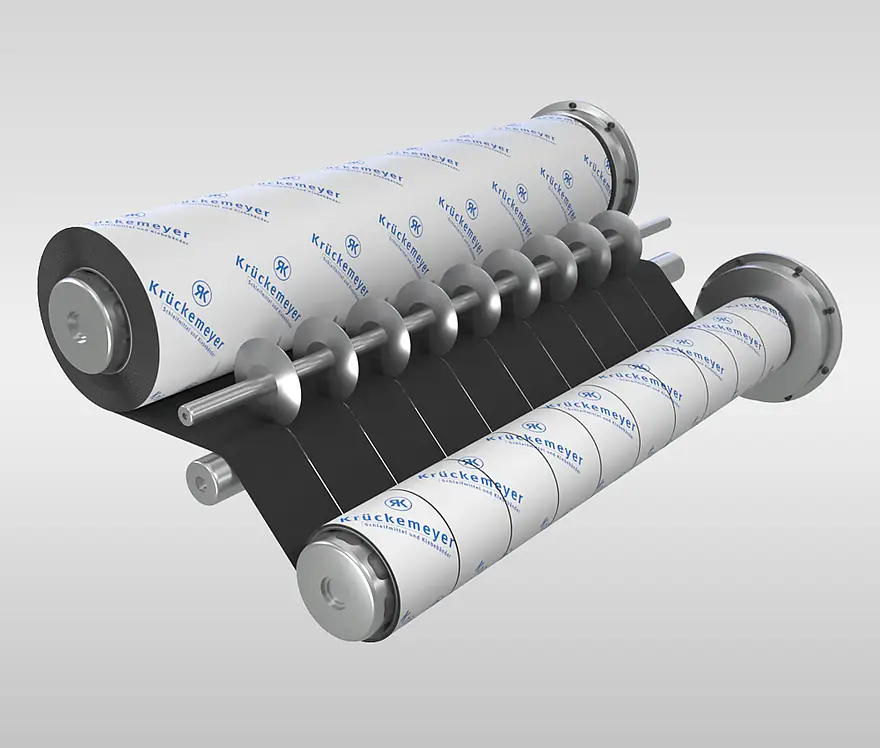
Adhesive tape production starts with the intended result: should the tape fix, join, protect or seal a component? We then select a suitable input material and assess which width, contour, layer structure and supply format will support the subsequent process. Converting means processing the material into dimensions, shapes and formats suited to the application.
Depending on the task, adhesive tape may be cut, die-cut, laser-cut where suitable, laminated or wound. These processes can be combined, but there is no fixed process sequence or blanket feasibility promise. The required shape, dimensions and geometry, as well as the material, construction and quality requirements, determine the approach.
This page covers production and selection as a coordinated service. The linked service pages explain the individual processes in more depth. Specific catalogue products and their technical data are assessed separately in the product catalogue.
02
Planning your adhesive tape project
Step 01
Describe your requirements
Describe the component, required function, dimensions, handling and quantity. A drawing or sample helps us understand the task.
Step 02
Assess material and processes
We assess the input material, geometry, dimensions and layer structure, and the suitability of cutting, die-cutting, laminating or winding.
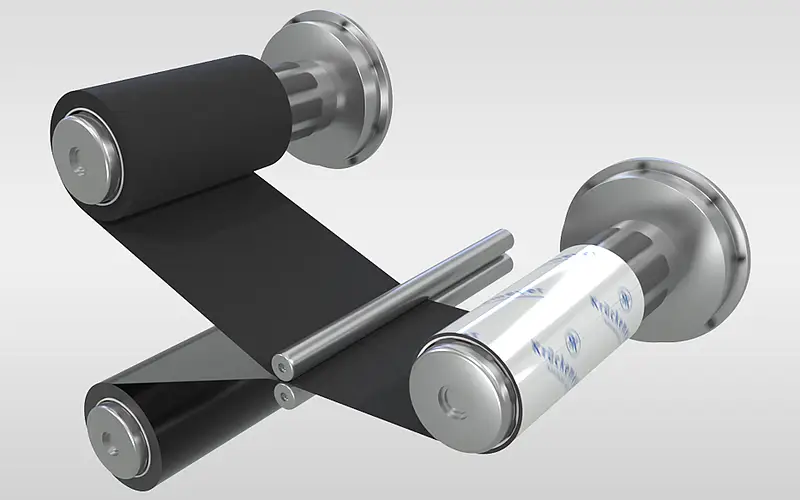
Step 03
Agree on the format
We agree on the supply format, liner and possible handling aids for the application. A sample may help with this step.
Step 04
Prepare production
Once the format is agreed, it is produced. Inspection and documentation requirements are agreed for the specific project.
03
Routes to the required tape format
Roll width and running length
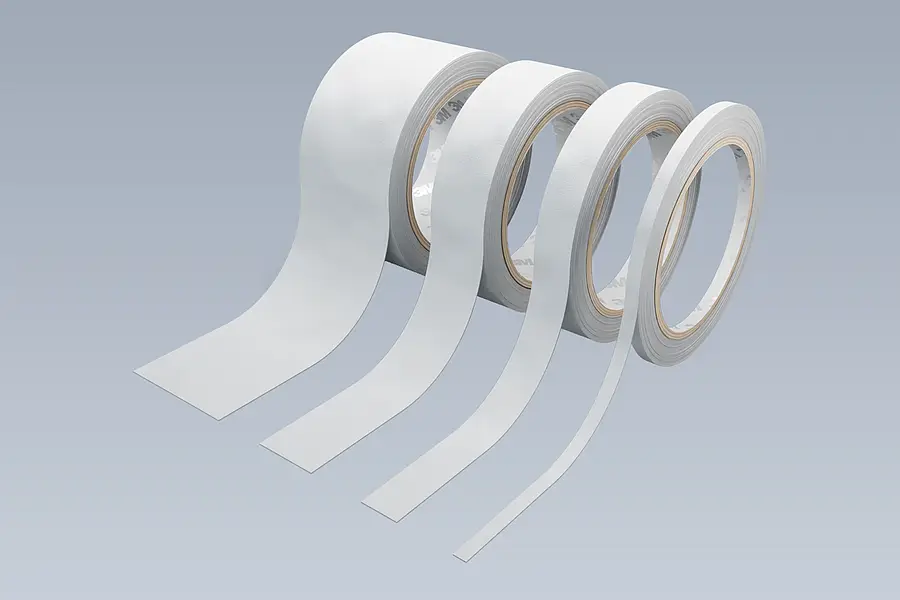
Roll material can be supplied in agreed widths and running lengths. Core, material and unwinding requirements are assessed together. Adhesive tape cutting →
Die-cut contours
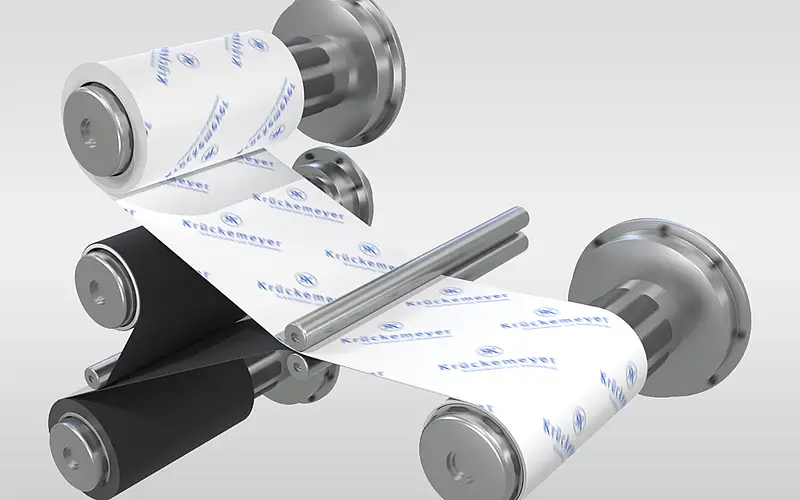
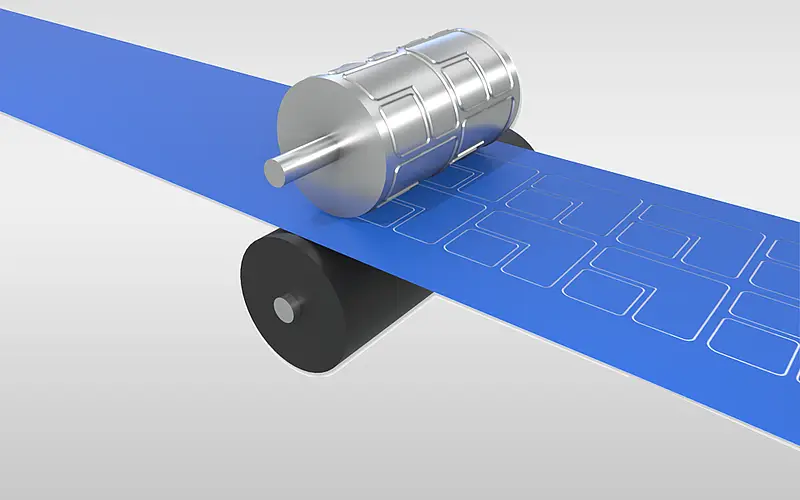
Suitable adhesive tape can be die-cut to match the component geometry. Layer separation, liner and arrangement are agreed for the application. Adhesive tape die-cutting →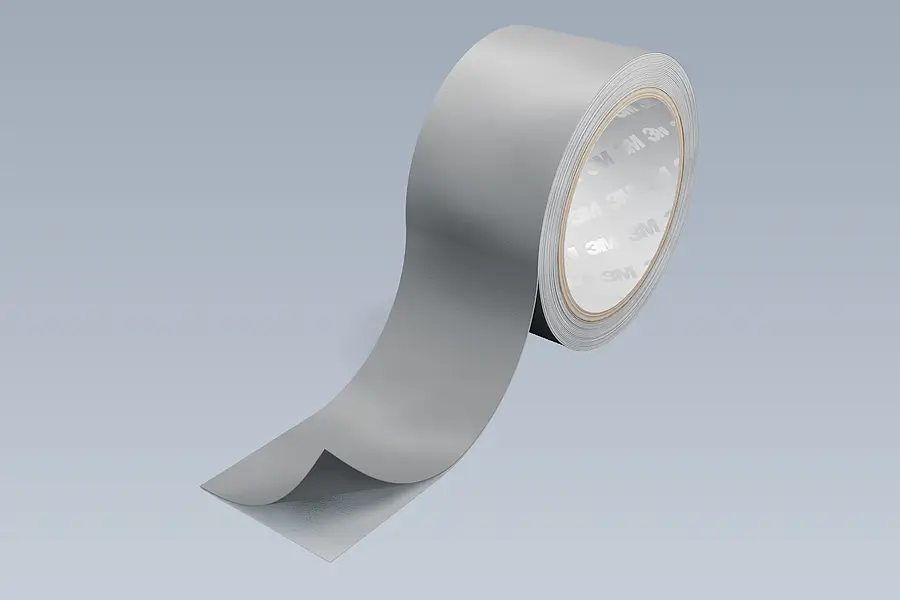
Material laminates
Laminating can combine adhesive tape with other suitable materials to create an agreed construction. Adhesive tape laminating →04
Possible adhesive tape supply formats
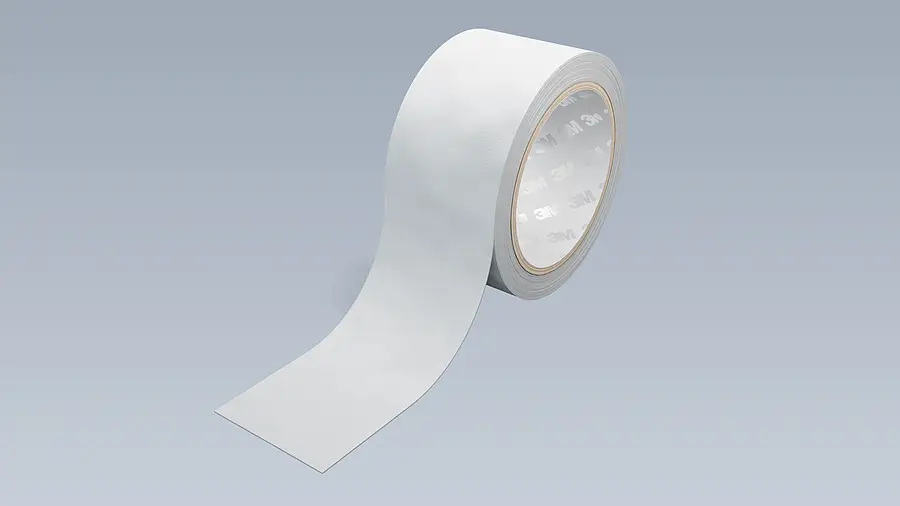
Adhesive tape rolls
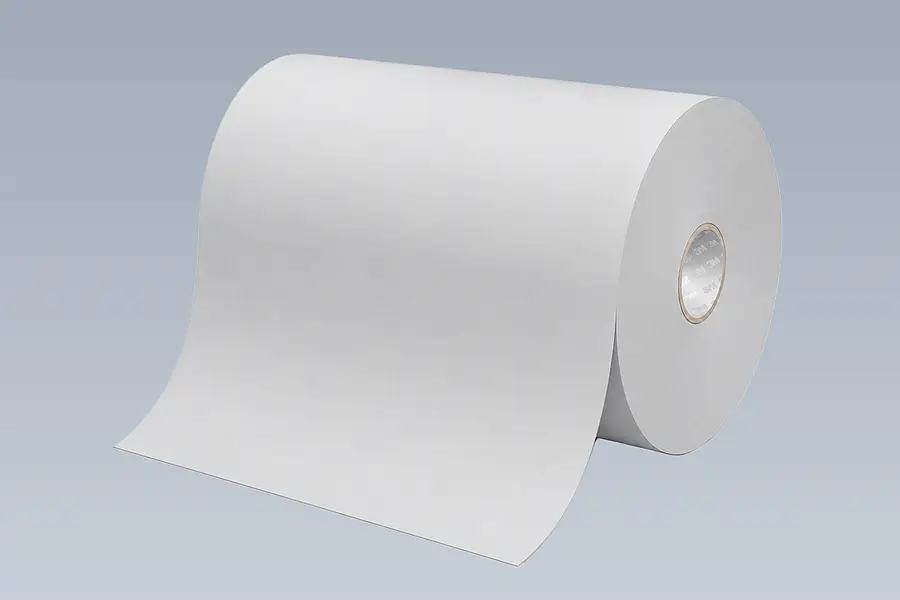
Agreed roll widths and running lengths provide material for the planned manual or machine-based process. Explore roll cutting →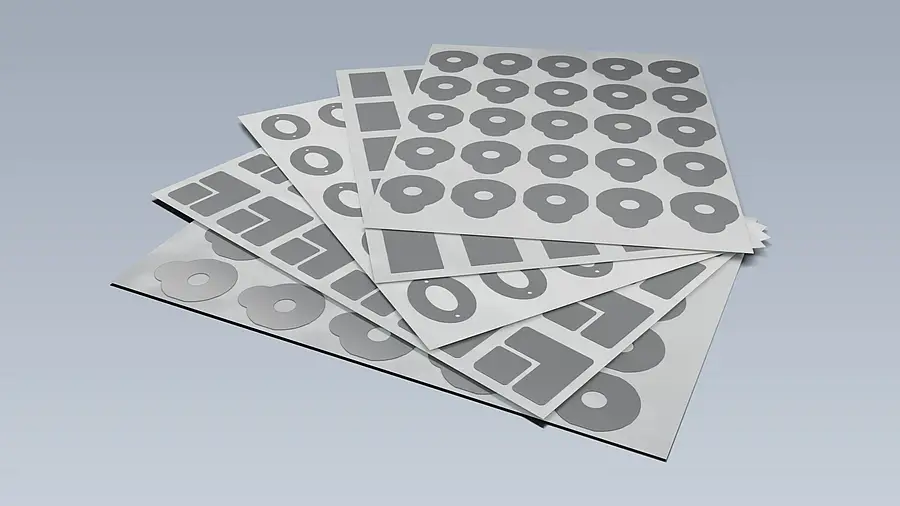
Die-cut parts on sheets
Several contours can be supplied on a backing sheet for subsequent handling. Explore adhesive tape die-cutting →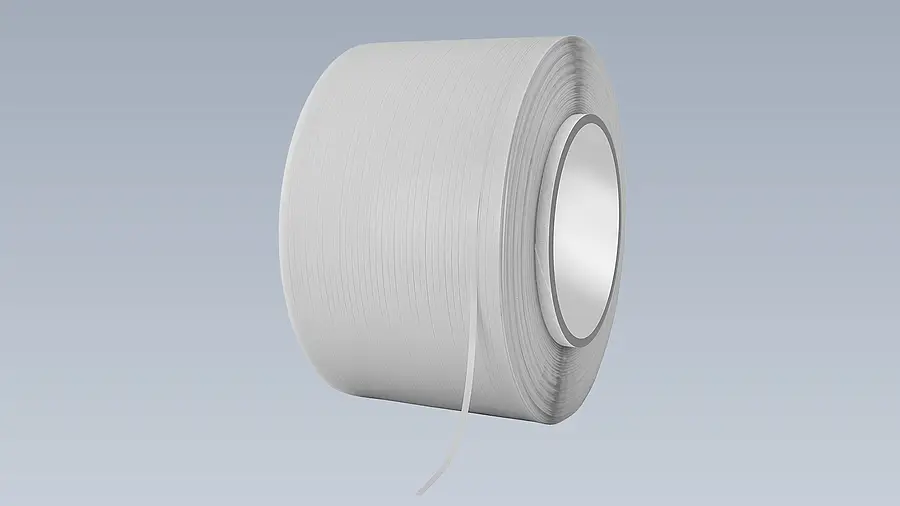
Cross-wound spool
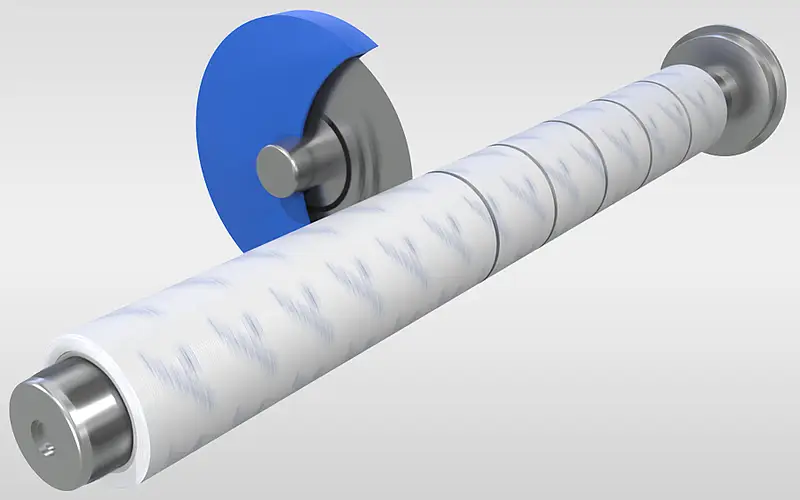
For suitable narrow tapes, a cross-wound spool can support a longer continuous material supply. Explore cross-winding →05
Adhesive tapes we convert
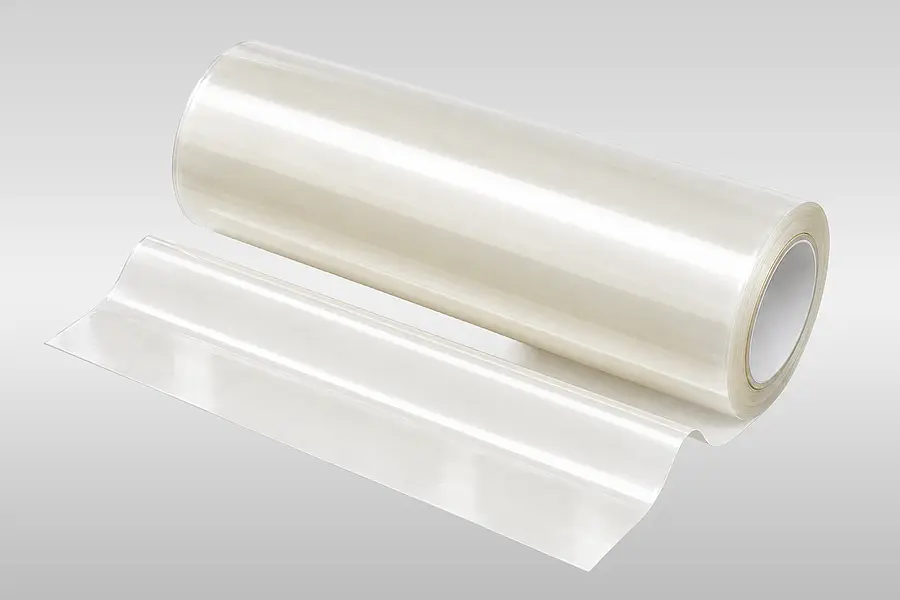
Single-sided adhesive tapes
We convert suitable single-sided adhesive tapes into rolls or die-cut parts. We agree on the material, dimensions and handling requirements for your application. Explore single-sided tapes →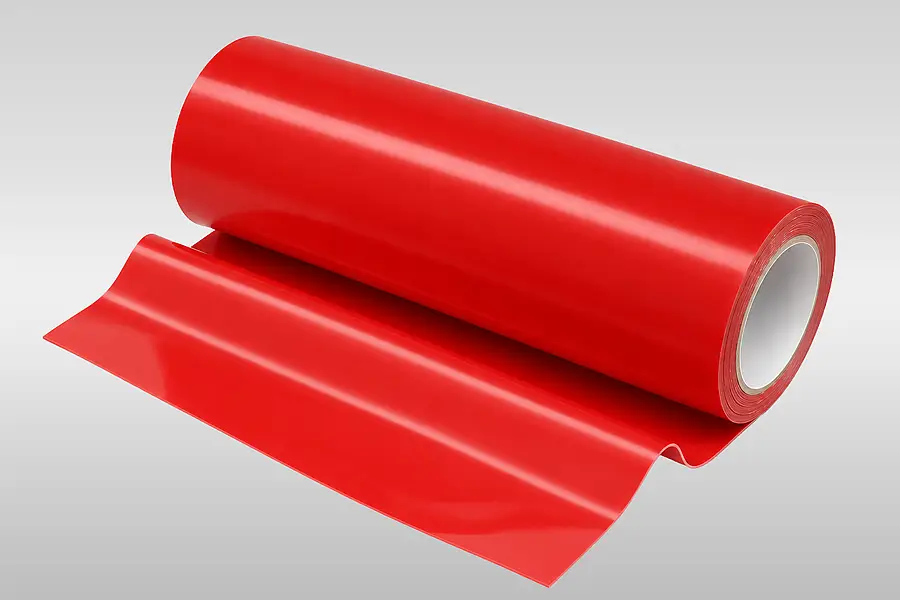
Double-sided adhesive tapes
We cut and die-cut suitable double-sided adhesive tapes. We agree on the liner, contour and supply format for the intended process. Explore double-sided tapes →06
Adhesive tape production in practice
07
Selecting the tape format
| Decision criterion | Possible format | What we assess |
|---|---|---|
| Required geometry | Roll or die-cut part | Contour, dimensions and separation of layers |
| Material supply | Adhesive tape roll or cross-wound spool | Tape width, running length, core and unwinding |
| Material construction | Single material or laminate | Input material, liner and intended application |
Suitability is assessed for the material and application.
08
Details for your adhesive tape enquiry
Tell us what the tape needs to do, which surfaces are to be joined or protected, the conditions of use, and whether application will be manual, semi-automatic or automatic. Useful details include the existing or preferred input material, width and running length or contour and dimensions, layer structure including the liner, and preferred supply format.
Please also state the required quantity, handling needs and quality requirements. A drawing, sample or information about existing process steps helps us assess the task. We can then agree on the material, geometry and production route with you.
09
Adhesive tape production overview
10
Questions about adhesive tape production
Which adhesive tapes can be converted?
We convert suitable single-sided and double-sided adhesive tapes. Depending on the input material and required format, cutting, die-cutting or winding may be suitable. We assess the specific tape together with its dimensions, construction, processing requirements and intended application.
When should I choose a roll or a die-cut part?
A roll is suitable when the tape is to be processed in a defined width and running length. A die-cut part may be appropriate when the component needs a specified contour or cut-out. The liner, handling and application process also affect the choice. Die-cut parts can be supplied on a roll, on sheets or as individual parts.
Can several materials be combined in one format?
Yes. Suitable adhesive tapes can be laminated with other materials to create an agreed construction. We assess the layers with reference to the required function, adhesive layer, release liner and subsequent processing.
What details help you assess a custom adhesive tape?
Tell us what the tape must do on the component, the surfaces involved, conditions of use, input material, dimensions or contour, preferred supply format and intended application process. The required quantity and quality requirements are also useful. A drawing or sample helps with the assessment, but is not essential for an initial enquiry.
Assess your adhesive tape format together
Describe the component, application and required supply format. We will assess with you which input material and production steps may be suitable.

Adhesive technology advice
Thomas Klein
Contact for converting
Thomas Klein can discuss the material, format and application for your adhesive tape enquiry.