

Cross-winding narrow tapes
Cross-wound spools for long narrow-tape runs
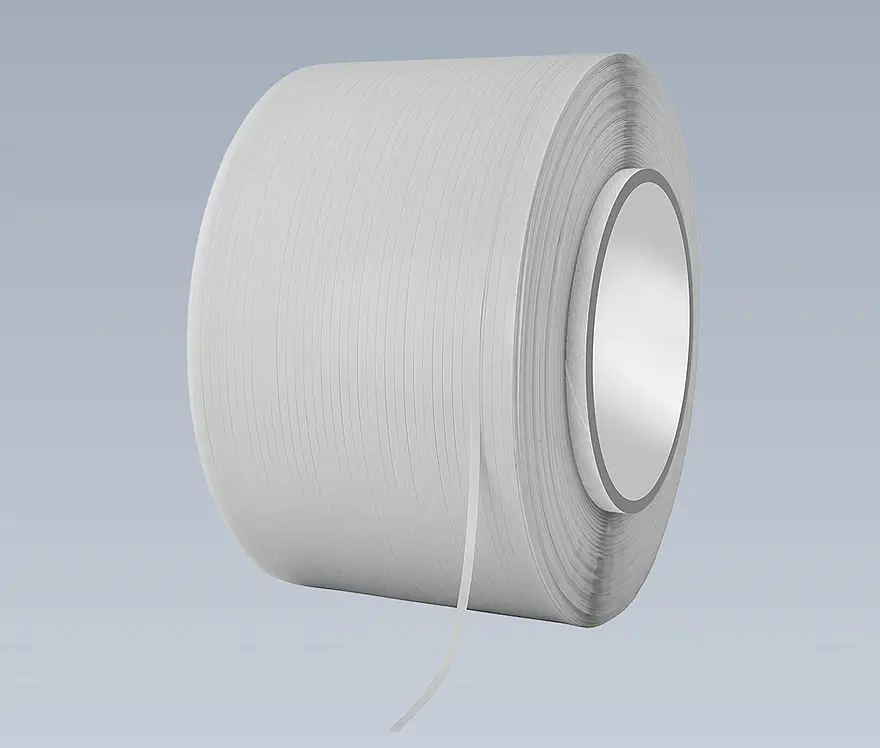
Krückemeyer GmbH cross-winds suitable narrow tapes made from adhesive tape, film or foam onto spools tailored to the application. This winding method enables long running lengths and fewer roll changes in automated production; the material and spool geometry determine the final design.
2-25 mm
typical slit-tape widths
30 mm
maximum width, material dependent
up to approx. 30.000 m
tape length, material dependent
01
Cross-winding
How narrow tape becomes a long continuous run
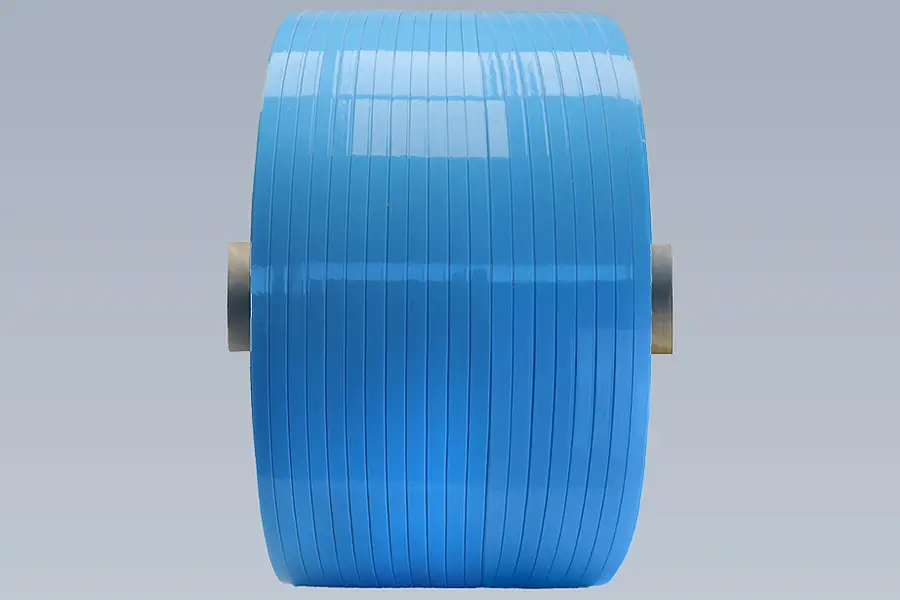
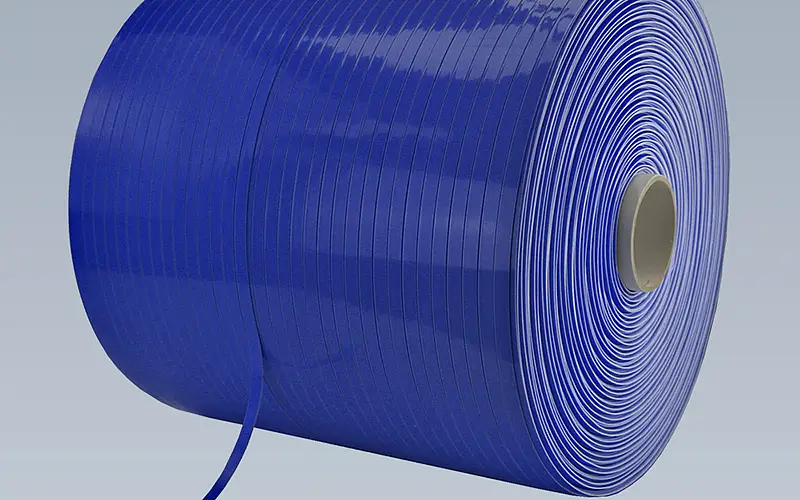
A cross-wound spool holds a narrow slit tape by guiding it sideways and laying it in crossing layers. This can provide more tape on one spool than a conventional straight-wound tape roll. In automated feeding, the result can be longer runs between roll changes.
Krückemeyer matches the spool to the source material, tape width, core, running length, winding direction and the receiving equipment. The material must be available in roll form and be suitable for slitting and winding. The achievable length and geometry are checked against the actual material. Slit spools and rewinding are separate options if cross-winding is unsuitable for the process.
02
From requirement to cross-wound spool
Step 01
Clarify the application and feed
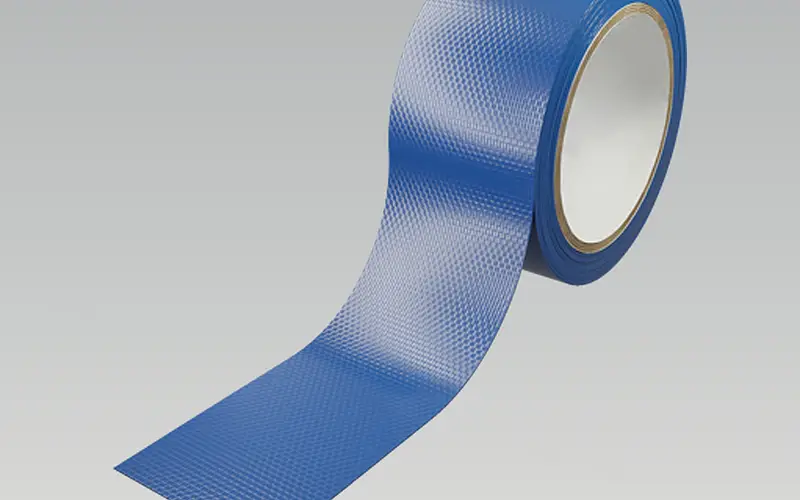
Describe the material, desired running length and production-line holder. This identifies which spool characteristics need to be checked.
Step 02
Assess slitting and winding
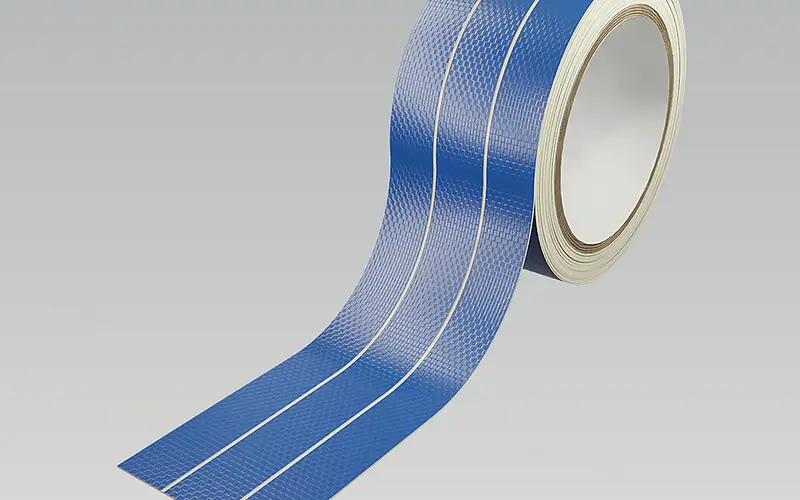
We assess whether the source material can be slit and wound and whether tape width, core, unwinding direction and spool geometry work together.

Step 03
Agree the spool design
We agree the winding pattern, interliner and side flanges where needed. A drawing or sample helps assess the holder and tape feed.
Step 04
Produce the cross-wound spool
Once the specification is agreed, the narrow tapes are slit and wound onto the spool in the agreed format.
03
Winding patterns and aids
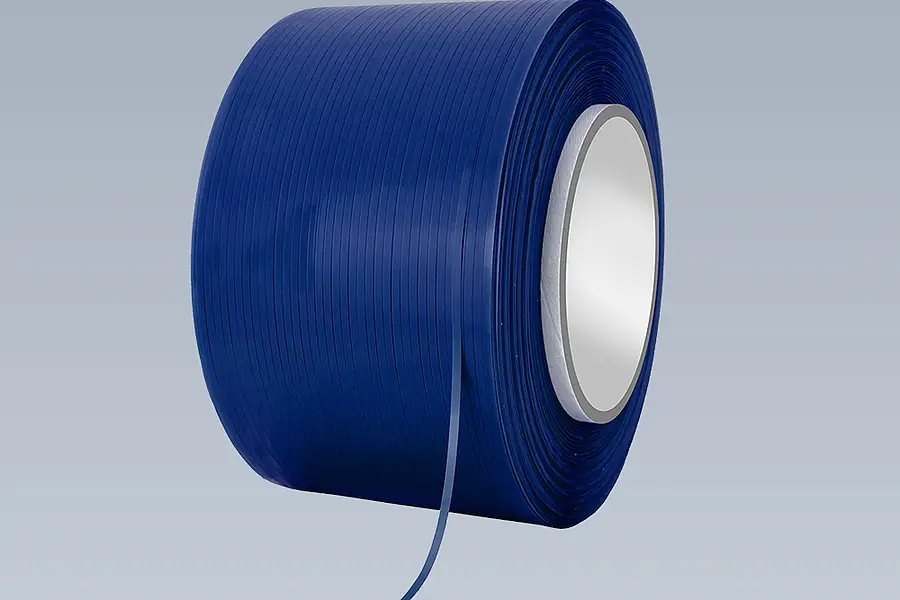
Conventional cross-winding
Narrow tapes are laid in crossing layers on the specified spool. Tape dimensions, core and unwinding direction depend on the material and equipment. Enquire about cross-winding →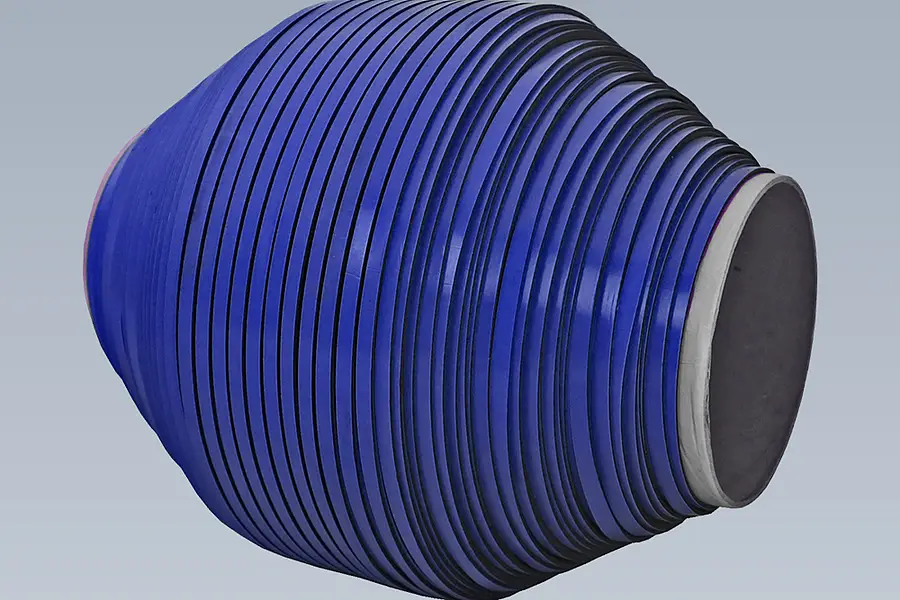
Conical or biconical winding
Conical or biconical designs may suit the required winding pattern. Suitability is assessed with the material and how the tape is drawn off. Discuss the winding pattern →04
Cross-wound spool formats
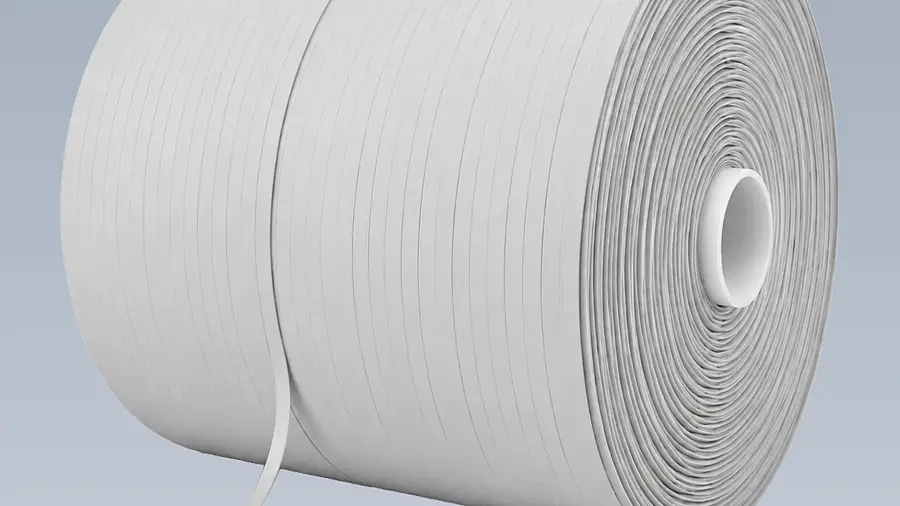
Narrow tape on a cross-wound spool
The spool provides a long continuous tape length for feeding. The achievable length depends on the material and spool dimensions. Enquire about this format →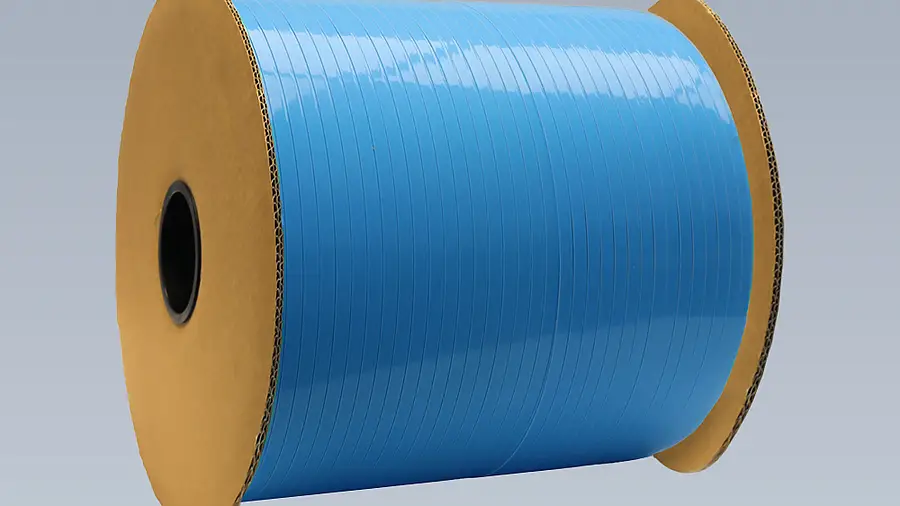
Cross-wound spool with side flanges
Side flanges can guide the tape on the spool, particularly with non-adhesive materials. Core and diameter are specified separately. Discuss side flanges →05
Suitable source material groups
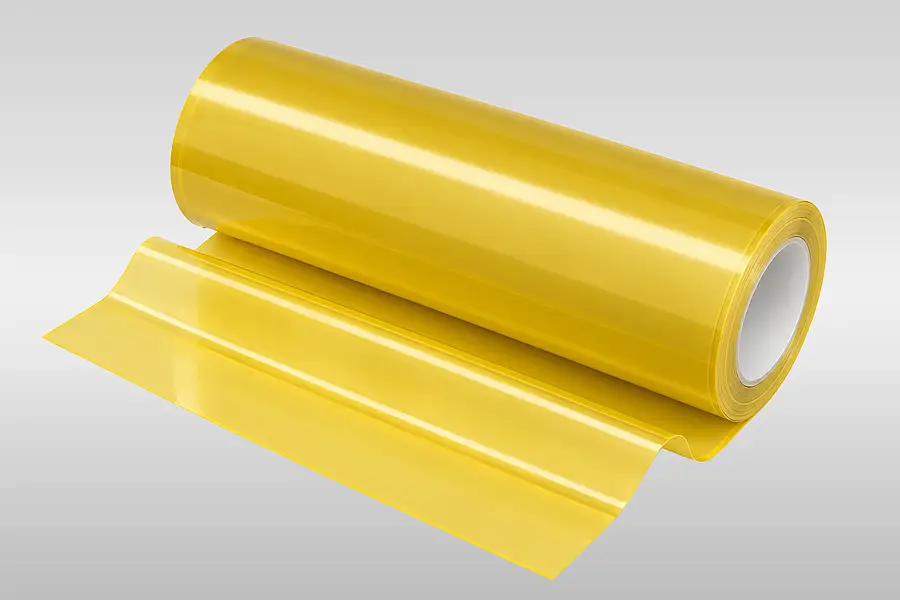
Single- and double-sided adhesive tapes
Film, cloth, foam and transfer tapes are listed as possible source materials. Whether a specific tape can be cross-wound is assessed individually. Adhesive tape converting →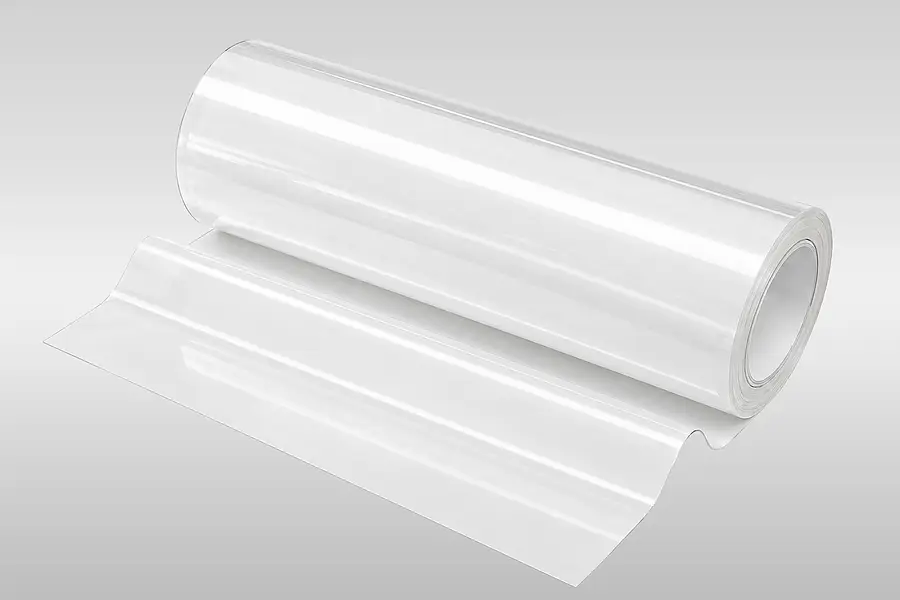
Technical films
Technical films may be suitable as narrow, non-adhesive tapes. Windability and tape guidance depend on the particular film. Film converting →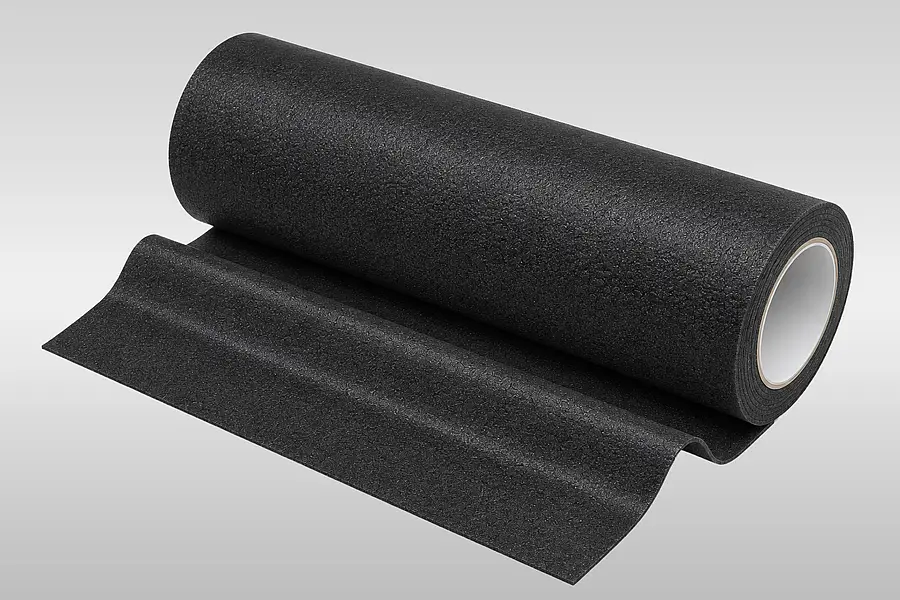
Foams
Foam webs are another possible source material group. Slitting, winding and the required outside diameter must be checked on the actual material.06
Cross-winding in motion
07
Technical selection of a cross-wound spool
| Selection criterion | Documented guide value |
|---|---|
| Slit-tape width | Typically 2-25 mm; maximum 30 mm (material dependent) |
| Tape length | up to approx. 30.000 m (material dependent) |
| Core diameter | 30 mm / 3"/ 6" |
| Spool diameter | up to 500 mm; with side flanges up to 350 mm |
| Tube and winding width | tube width up to 420 mm; winding width up to 400 mm |
| Winding direction | centred outwards; left to right; right to left |
All dimensions and running lengths must be checked for the material and spool design.
08
Details for your cross-wound spool enquiry
Describe the application, how the tape is fed into your equipment and the required source material. State tape width and running length, core or tube diameter, maximum spool width and outside diameter, and unwinding direction. Tell us whether an interliner or side flanges are needed and what quantities or call-offs you expect.
A drawing of the spool holder or a sample helps with coordination. We use these details to assess the material, slit and winding pattern with you; technical limits and quantities depend on the specific design.
09
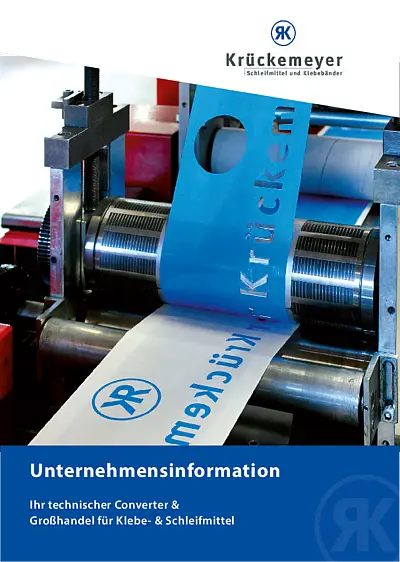
Further reading: company brochure
10
Questions about cross-winding
When does a cross-wound spool make sense?
It makes sense when a narrow tape needs to feed a production line for longer periods with as few roll changes as possible. Cross-winding can hold a long running length on a compact spool. Suitability depends on the source material, tape width and holder in your equipment. For other feeding arrangements, a slit spool or a simply rewound roll may be more appropriate.
Which source materials can be made into cross-wound spools?
Single- and double-sided adhesive tapes, technical films and foams are documented as possible source materials. The material must be available in roll form and be suitable for slitting and winding. Adhesive and non-adhesive materials may need different guidance or processing aids. The material group alone therefore does not confirm a particular running length or spool geometry.
What do core, diameter and unwinding direction determine?
They determine whether the finished cross-wound spool fits your holder and how the tape enters the equipment. The unwinding direction can be set during winding. Core, tube width, maximum outside diameter and target running length need to be considered together because spool dimensions affect the tape length it can hold. A drawing of the holder helps with this assessment.
When are an interliner or side flanges useful?
An interliner can keep wound adhesive layers from sticking to one another. Side flanges can hold non-adhesive tape on the spool laterally. Whether either aid is needed depends on the material and tape feed. Tell us the source material and, if possible, show how the spool is held and unwound in your equipment.
What information is needed for an enquiry?
Useful details include the required material, application, tape width and running length, core, spool width, maximum outside diameter and unwinding direction. Describe the production-line feed, any planned processing aids and the required quantity or call-offs. A drawing or sample can help with the technical assessment. These details allow the specific design to be agreed on a sound basis.
Specify your cross-wound spool with us
Send us the material, tape dimensions and spool holder details. We will assess a suitable winding pattern and delivery format for your application.

Adhesive technology and cross-wound spools
Thomas Klein
Contact for converting
Thomas Klein discusses the material, winding pattern and requirements of your production line with you.