

Film die-cut parts
Film die-cutting for application-specific parts
We die-cut suitable technical films to fit your component and processing method. We agree the material, layer structure, cut and delivery format with you.
580 x 580 mm
Flatbed: maximum die-cut part size
2 mm
Rotary: material-dependent thickness
01
Film die-cutting
Turn film into parts with a defined contour
Film die-cutting separates suitable stock material along a specified contour using a die. The film may be non-adhesive, self-adhesive or part of a multilayer structure. The required result determines the design: where must the film sit on the component, which areas must remain clear, and how will the die-cut part be removed or applied?
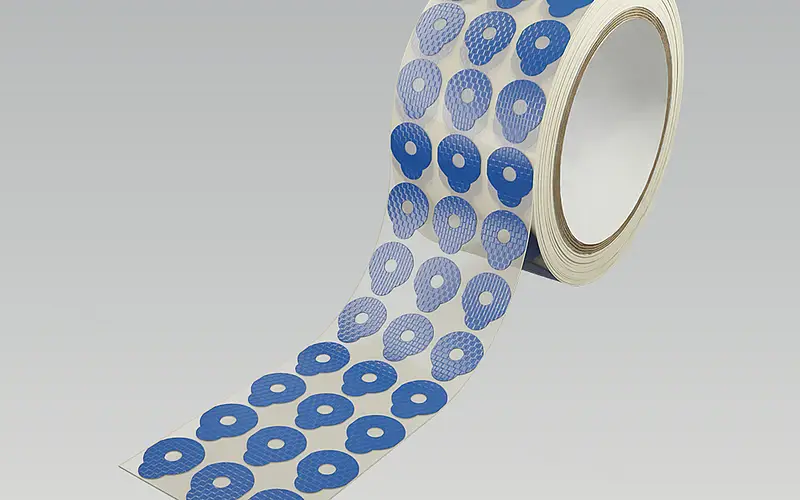
We assess the film construction, geometry and handling with you. Depending on the project, the specified layers are cut through completely or separated selectively; in multilayer structures, the liner can also be processed in different ways. The resulting die-cut parts can be supplied on rolls, on sheets or as individual parts for your workflow.
A film name alone does not establish its suitability. Cutting behaviour, dimensions, layer structure and quality requirements must be assessed for the specific application. If the contour also needs an adhesive layer or handling aid, suitable converting steps can be combined for the project.
02
Plan your film die-cut part
Step 01
Clarify application and contour
Describe the function, component, film and required delivery format. A drawing or sample helps us assess the contour.
Step 02
Assess material and method
We assess the layer structure, dimensions and separation of the specified layers. This helps determine a suitable die-cutting method.
Step 03
Agree the delivery format
If needed, we agree samples, liner and handling. Prototype approval follows your tests and the agreed process.
Step 04
Produce film die-cuts
Once agreed, we produce the die-cut parts with the specified contour and delivery format for your processing method.
03
Die-cutting methods for film
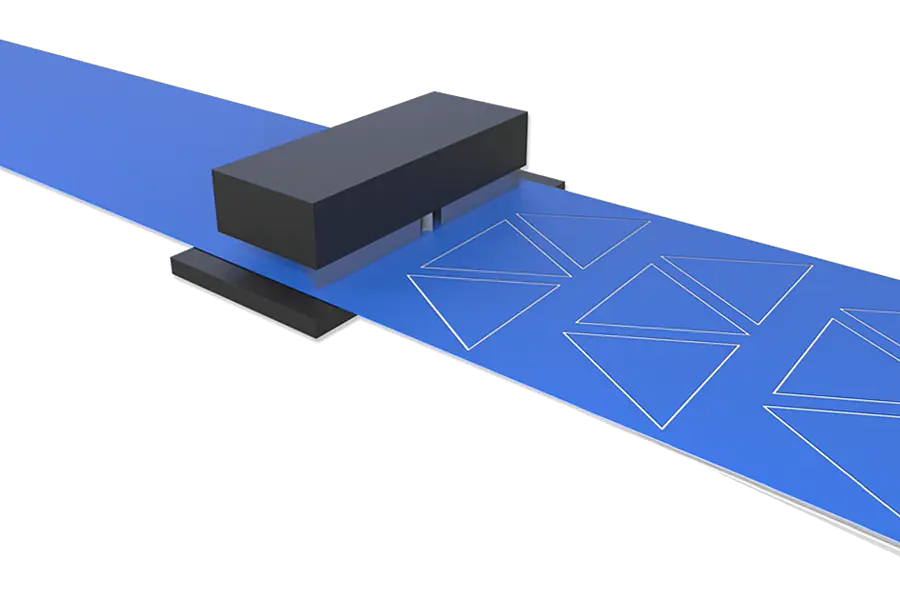
Flatbed die-cutting
A die cuts the contour in a press stroke. The possible part size and fine internal contours depend on film construction and geometry.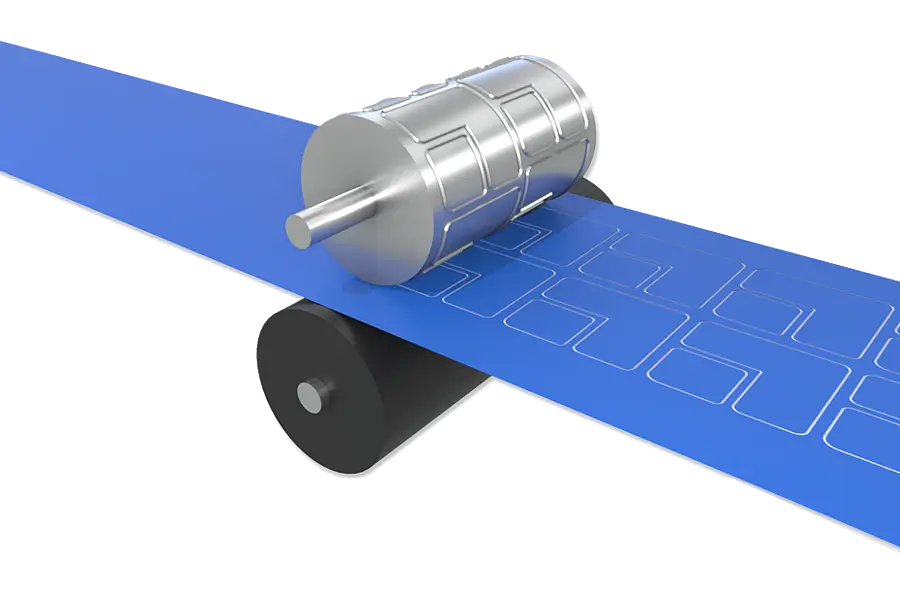
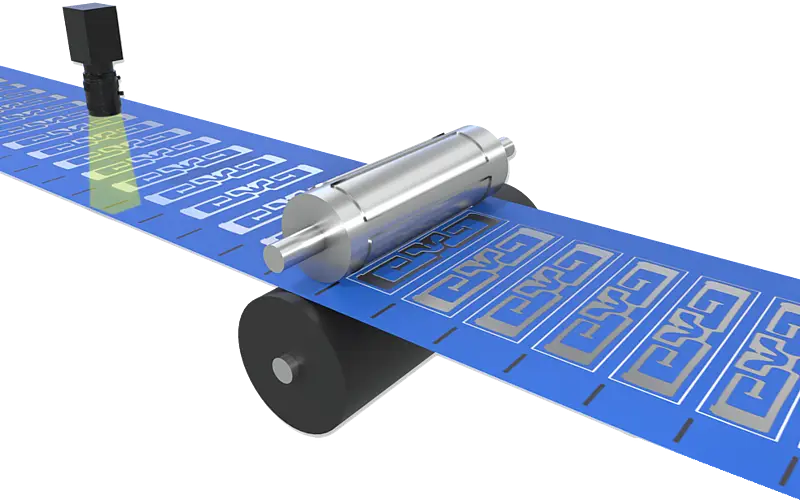
Rotary die-cutting
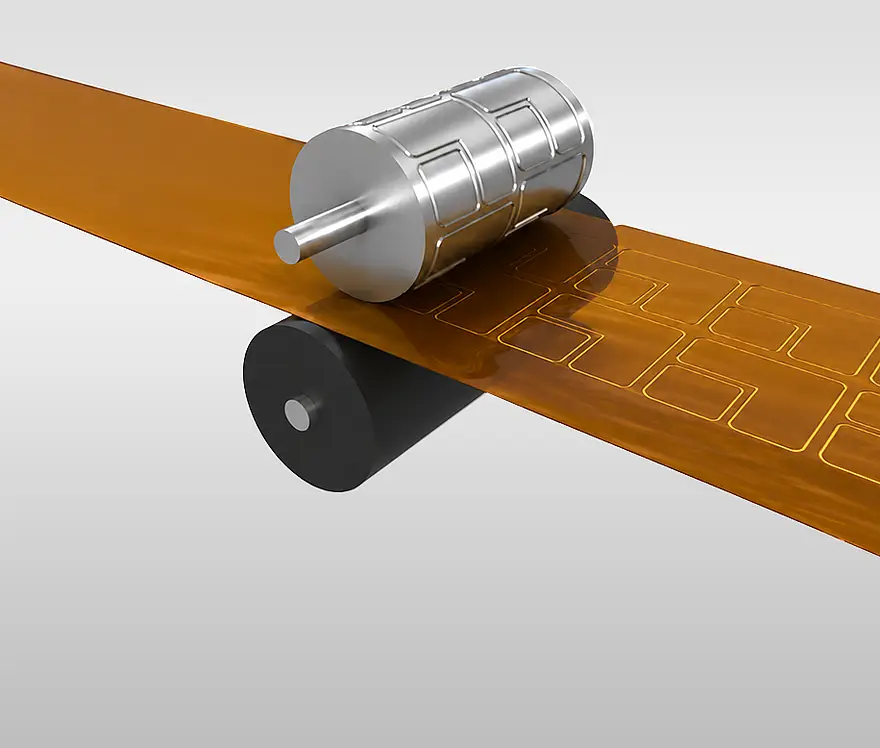
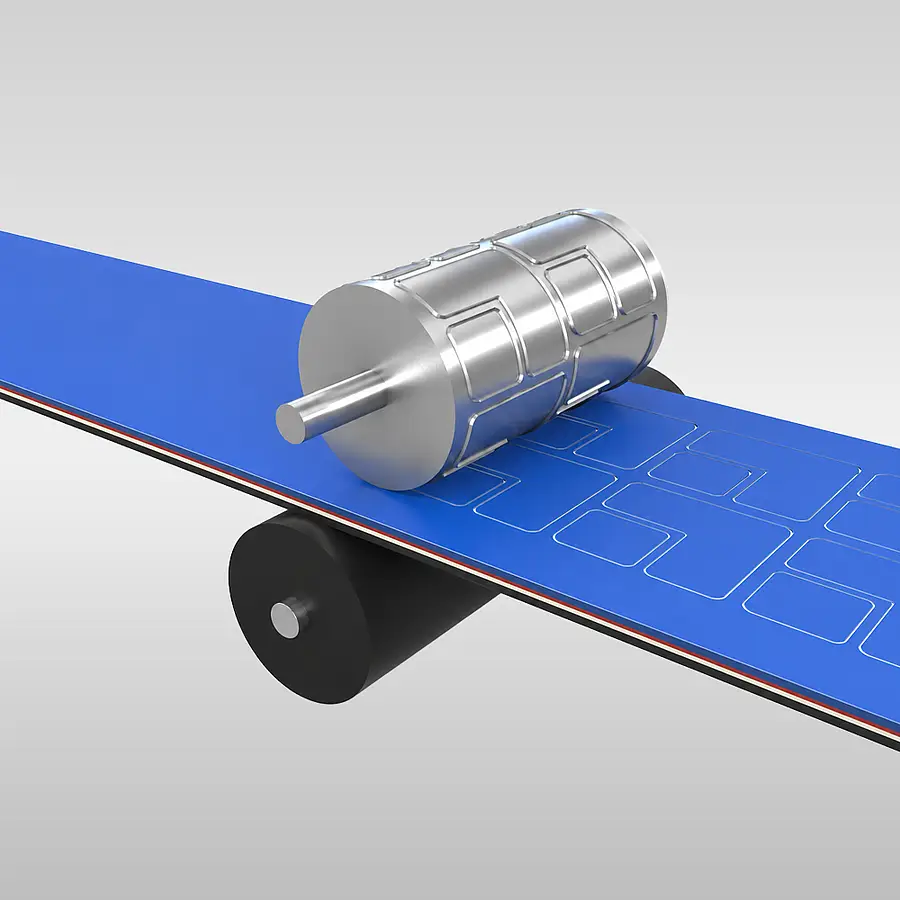
A rotary die processes a moving web. This method may suit film die-cuts supplied continuously on a roll. Explore rotary die-cutting →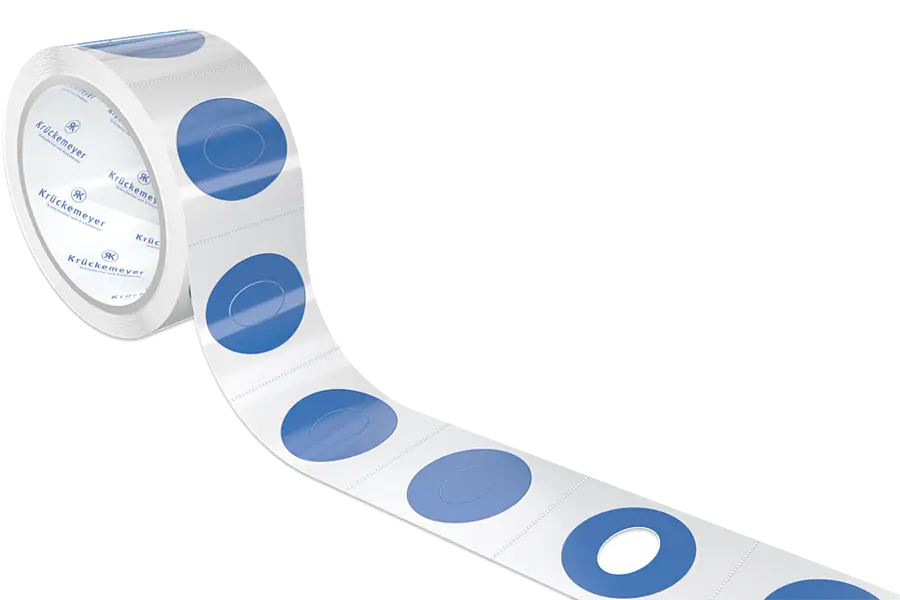
Kiss-cut and layer separation
Specified layers in a multilayer film construction are separated selectively. We determine whether and how to process the liner for that construction. Explore kiss-cutting →04
Delivery formats for film die-cuts
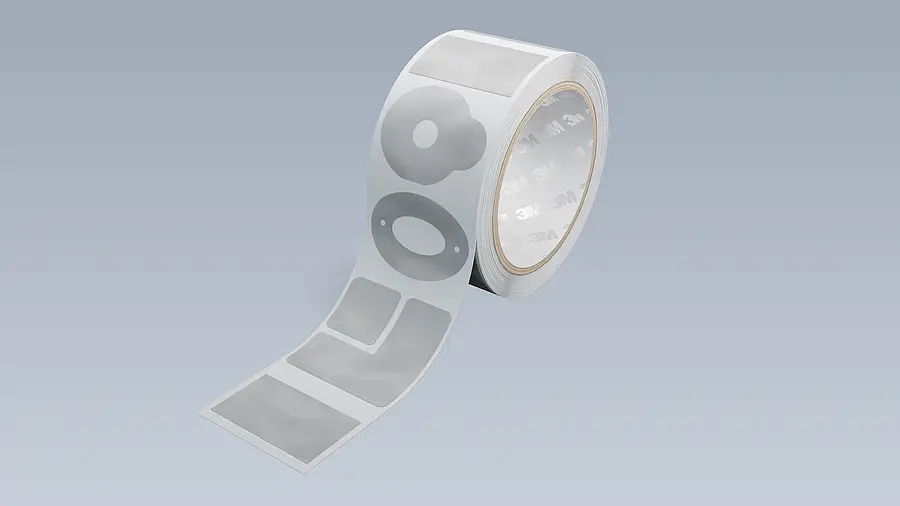
Die-cuts on a roll
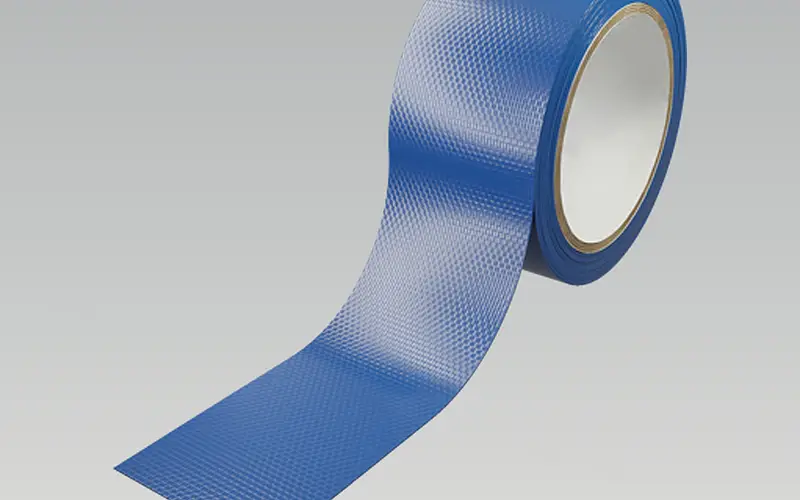
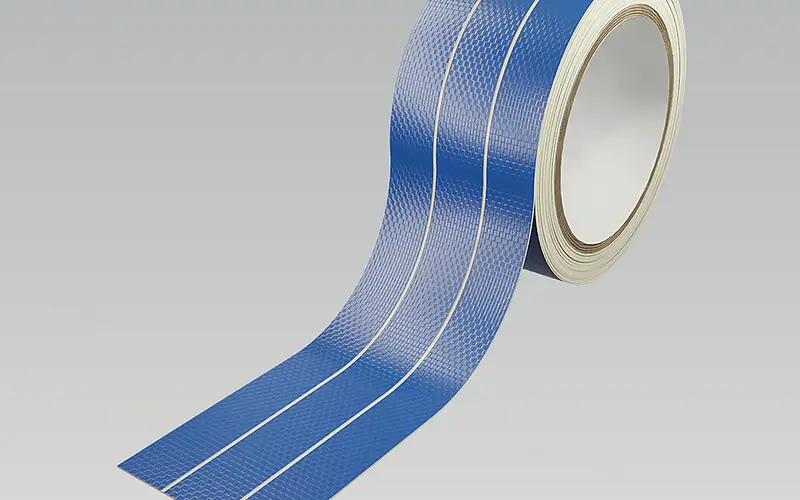
Contoured parts remain arranged in a continuous delivery format. Spacing and handling are agreed for removal. Explore rotary die-cutting →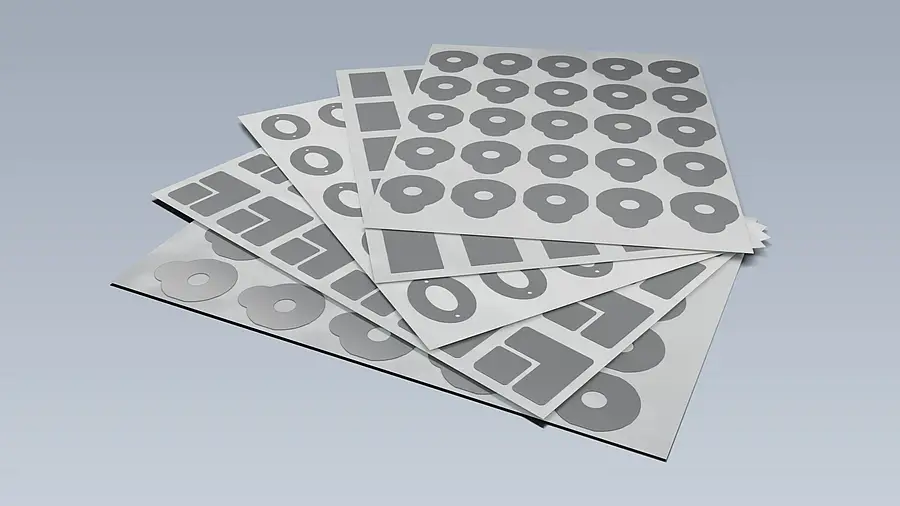
Die-cuts on sheets
Several die-cut parts can be supplied on a backing sheet. Their arrangement depends on the contour and processing method.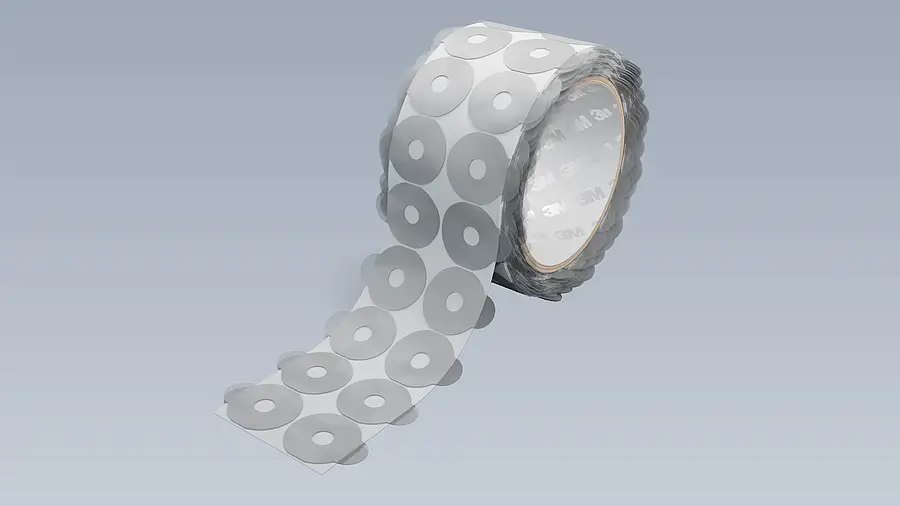
Die-cuts with a pull tab
A non-adhesive gripping point can help with removal and positioning. Its size and position are designed for the application. Enquire about pull tabs →05
Assess suitable films
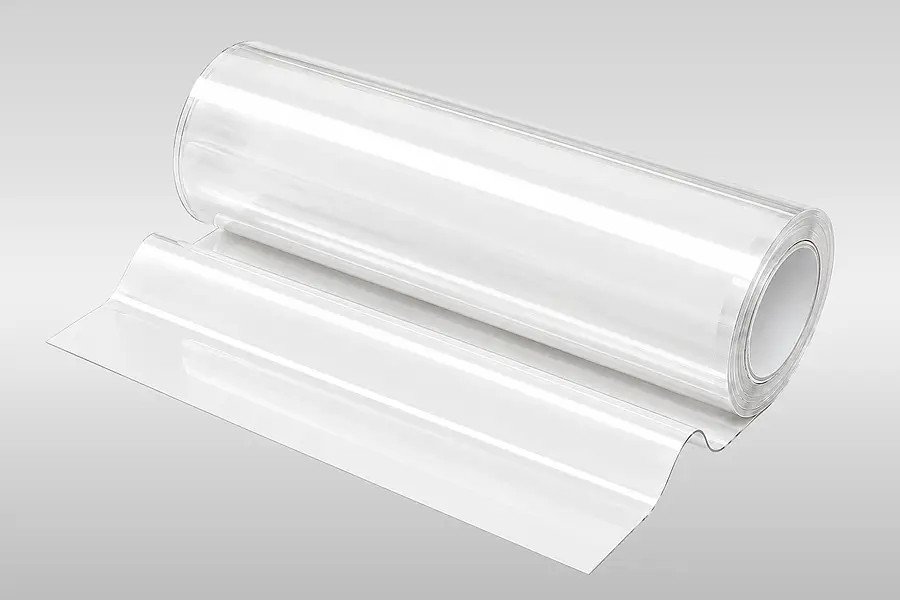
Plastic and protective films
Suitable technical plastic and protective films can be made into die-cut parts after their material and contour suitability has been assessed. Explore film converting →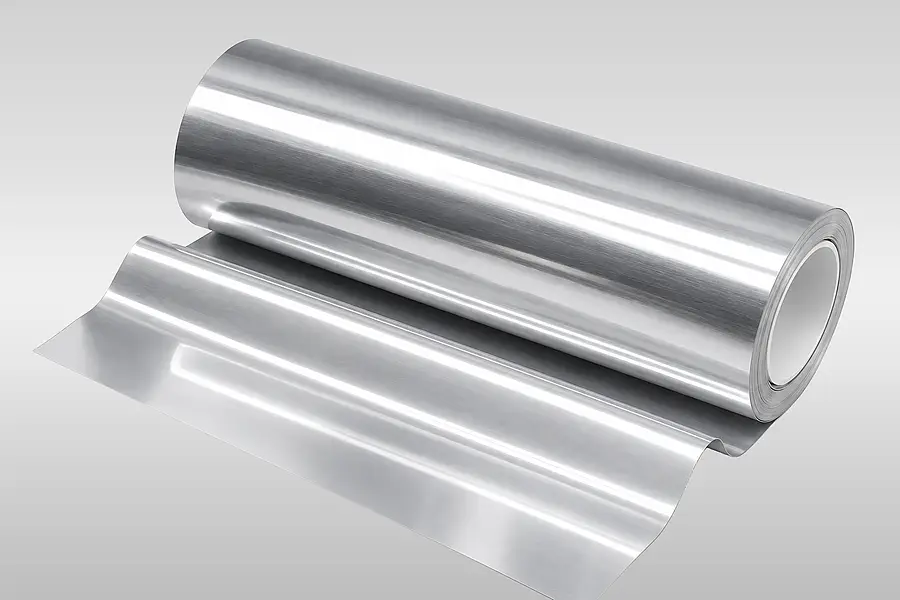
Metal and laminated films
Suitable metal films or film laminates may also be considered. The specific layer construction determines cutting and delivery format. Explore film converting →06
Film die-cutting in pictures
07
Select a cutting method
| Method | Main task | Assess |
|---|---|---|
| Flatbed die-cutting | Cut a contour in a press stroke | Film, geometry and part size |
| Rotary die-cutting | Cut a contour in a moving web | Material thickness, repeat and roll |
| Kiss-cut | Separate specified layers selectively | Liner, layer sequence and removal |
Suitability and dimensions depend on the film, construction and format.
08
Enquire about your film die-cuts
Tell us about the application and required result, the film or layer structure, dimensions and required quantity. A drawing or sample helps us assess outer and inner contours and the position of the parts.
Please also describe which layers should be cut, whether you need parts on rolls, on sheets or individually, and whether they will be processed manually or automatically. Include any special handling, tolerance or inspection requirements. We will discuss which process and delivery format are suitable.
09
Converting at a glance
10
Questions about film die-cutting
Can self-adhesive films be die-cut?
Yes. Suitable self-adhesive films can be processed into die-cut parts. The film, adhesive layer, liner and required contour all matter. In your enquiry, please specify which layers should be separated and how the parts will later be removed. We can then assess the construction and a suitable delivery format for your process.
Does the liner always stay intact during kiss-cutting?
No. Kiss-cutting describes selective separation of specified layers; in multilayer constructions, the liner can also be processed in different ways. Which layer remains in place or is cut depends on the required part and its removal. A layer diagram or material sample and a description of subsequent processing help us assess the design.
When should film die-cuts be supplied on rolls or sheets?
The delivery format depends on handling and the application method. Rolls allow die-cut parts to be supplied in a continuous web; sheets hold several parts on a backing. Individual parts are also possible. Tell us whether you process the film manually, semi-automatically or automatically so that arrangement, spacing and carrier can be matched to the application.
What information helps assess a film contour?
A drawing or sample showing outer and inner contours is helpful, together with the film, layer construction, dimensions and required quantity. Please also describe the part's function and how it will be removed or applied. This lets us assess which die-cutting method, layer separation and delivery format should be considered for your requirements.
Enquire about film die-cuts for your process
Send us the application, film construction and required contour. We will assess the method and delivery format for your enquiry.

Discuss film die-cuts
Thomas Klein
Contact for converting
Thomas Klein will discuss the stock material, contour and required delivery format for your film die-cuts.