

FILM LAMINATION · CONVERTING
Film lamination for application-specific film composites
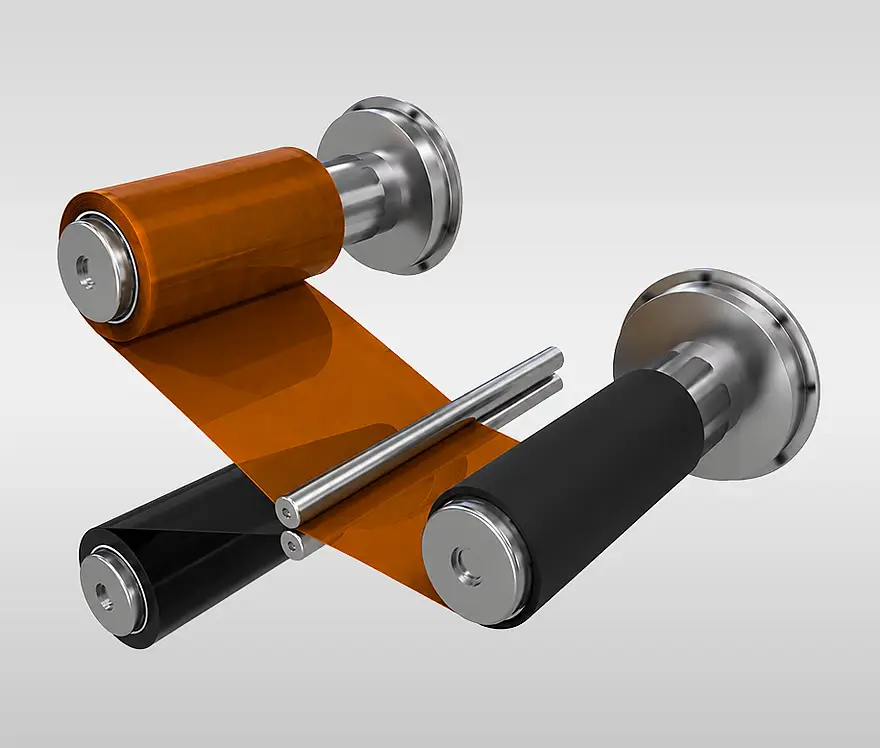
Lamination joins suitable film layers with an adhesive layer or other materials to form a composite. Krückemeyer GmbH matches the construction, format and supplied form to your application.
01
FILM COMPOSITE
What film lamination produces
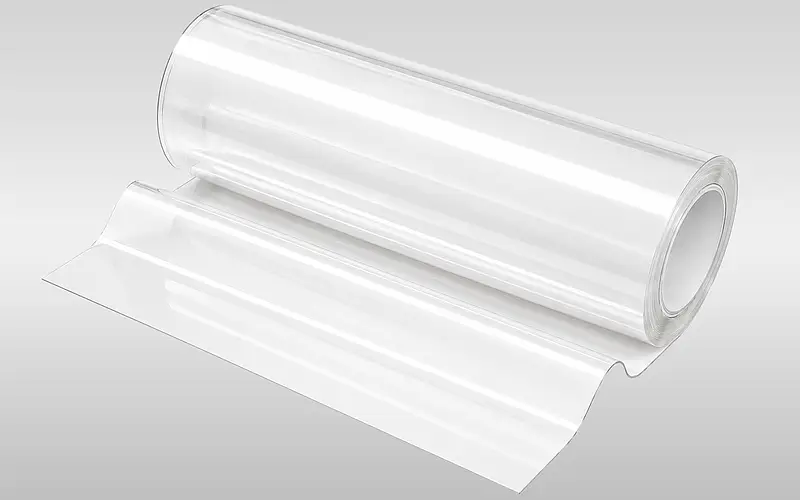
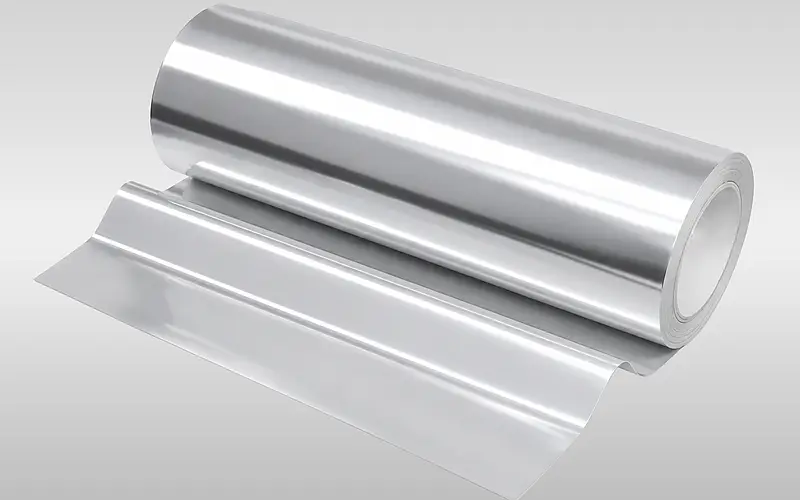
Film lamination joins suitable film layers through an adhesive layer to create a multilayer material. Depending on the task, a technical film can be combined with another film, an adhesive tape, a transfer adhesive film or foam. The result is a composite designed for further processing or for the intended application.
The construction starts with the required function and subsequent handling: Which side needs to be adhesive, which layer needs protection, and how will the material be processed? The material, layer sequence and adhesive layer are assessed together. Lamination alone does not establish a particular protective, insulating or resistance property; that requires evidence for the specific material.
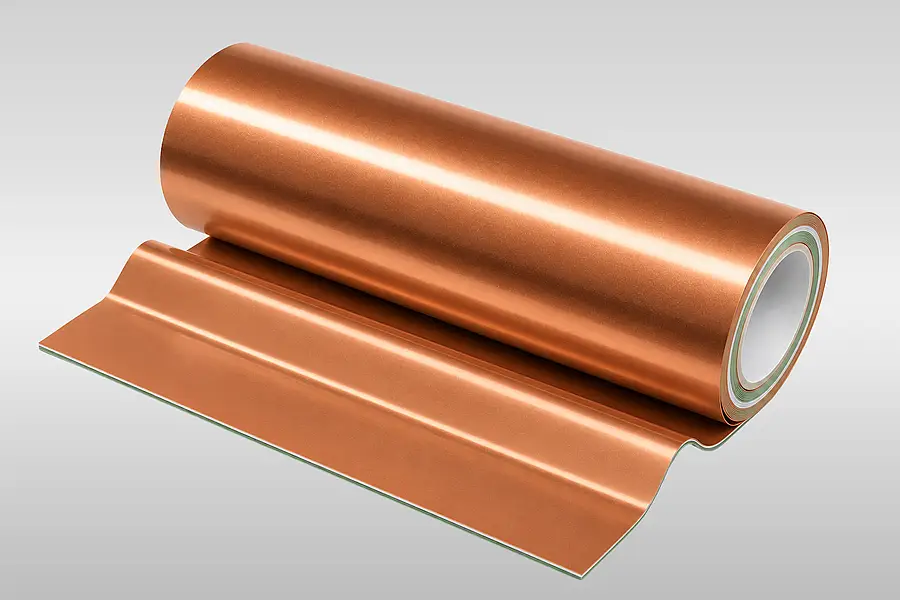
Suitable materials supplied in rolls can be processed into composites. Suitable sheet materials can also be joined on a laminating table. Subsequent cutting, die cutting or other shaping is determined only after the specific construction and required geometry have been assessed.
02
PLANNING FILM LAMINATION
Step 01
Describe the application and construction
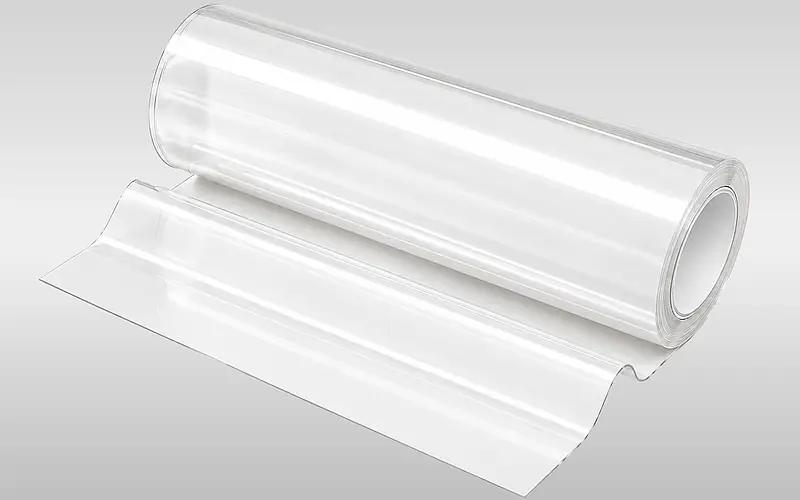
Tell us about the use, required function, films and any other planned layers, as well as the desired supplied form.
Step 02
Assess materials and process
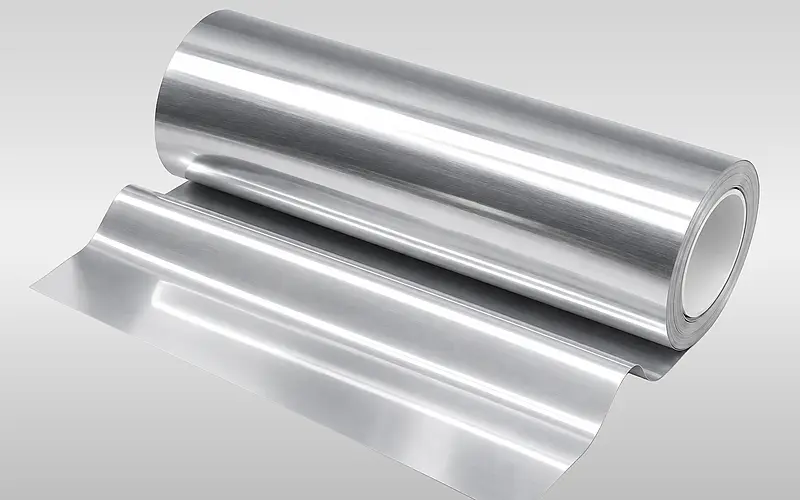
We assess whether the material combination, adhesive layer and required dimensions are suitable for lamination.
Step 03
Agree the execution
We coordinate the layer sequence, format and, where useful, a drawing or sample for your processing operation.
Step 04
Produce the film composite
Once agreed, suitable layers are laminated and, if required, processed further into the specified supplied form.
03
FILM LAMINATION CONSTRUCTIONS
Joining film layers
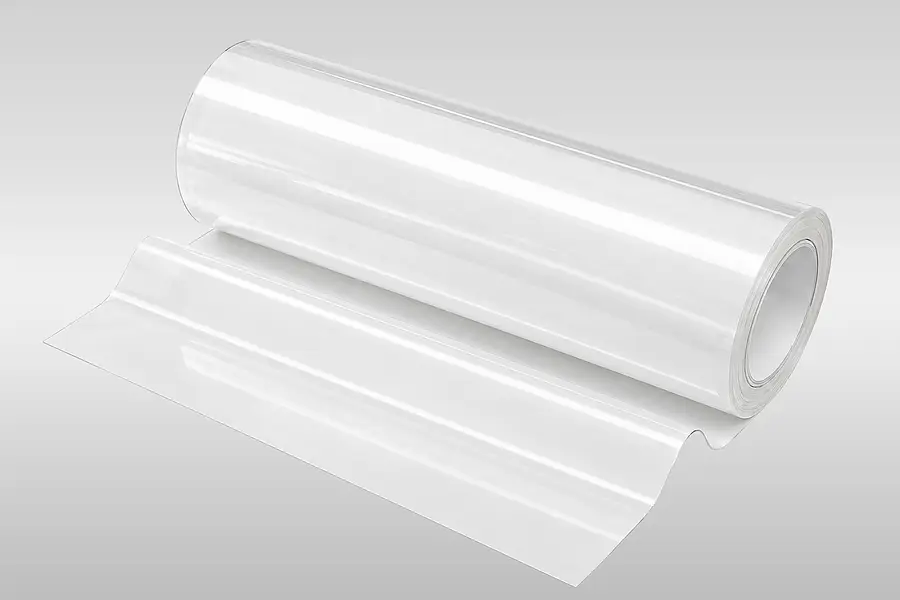
Suitable films are joined with an appropriate adhesive layer to form a multilayer composite. Layer sequence and suitability depend on the application.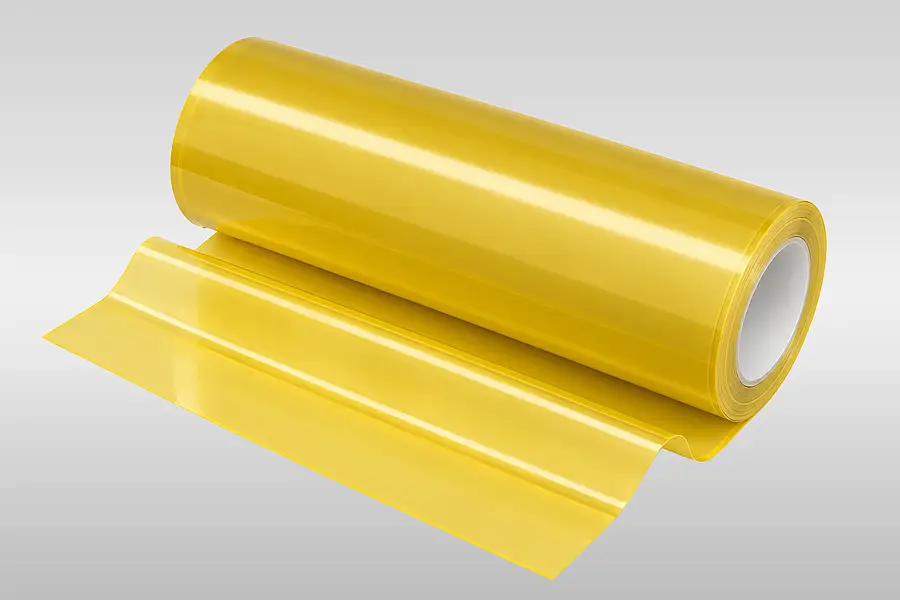
Making film self-adhesive
A suitable film can be joined with a transfer adhesive film. We coordinate the adhesive side, liner and handling for the intended use.04
SUPPLIED FORMS FOR FILM COMPOSITES
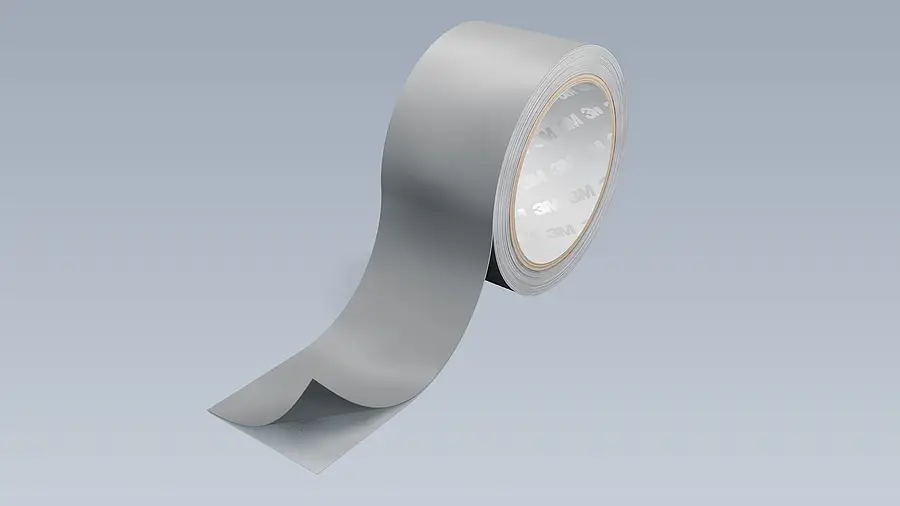
Film composite supplied on a roll
Suitable laminated webs can be supplied as rolls. Width, running length and winding are determined by the material and subsequent processing. View film cutting →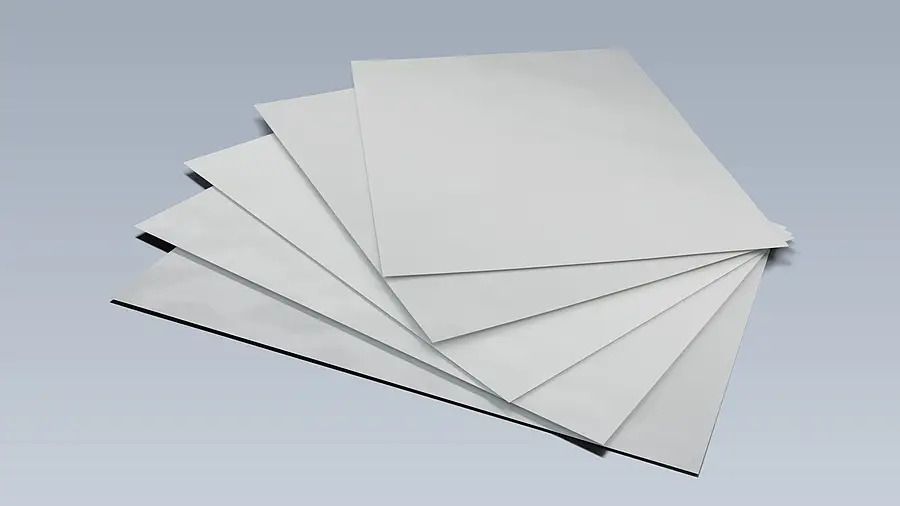
Film composite supplied as sheets
Suitable composites can be cut to length as sheets for further processing. Whether die cutting is appropriate depends on the construction and geometry. View film die cutting →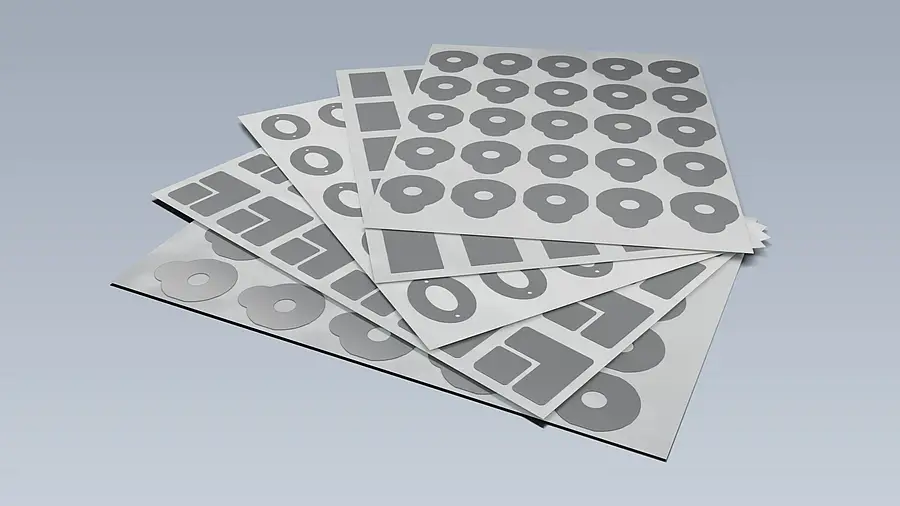
Die-cut parts from film composites
Suitable laminated film composites can be converted into die-cut parts after assessing the layer construction and contour. We coordinate the shape and supplied form with your downstream processing. View film die cutting →05
ASSESSING SUITABLE INPUT MATERIALS
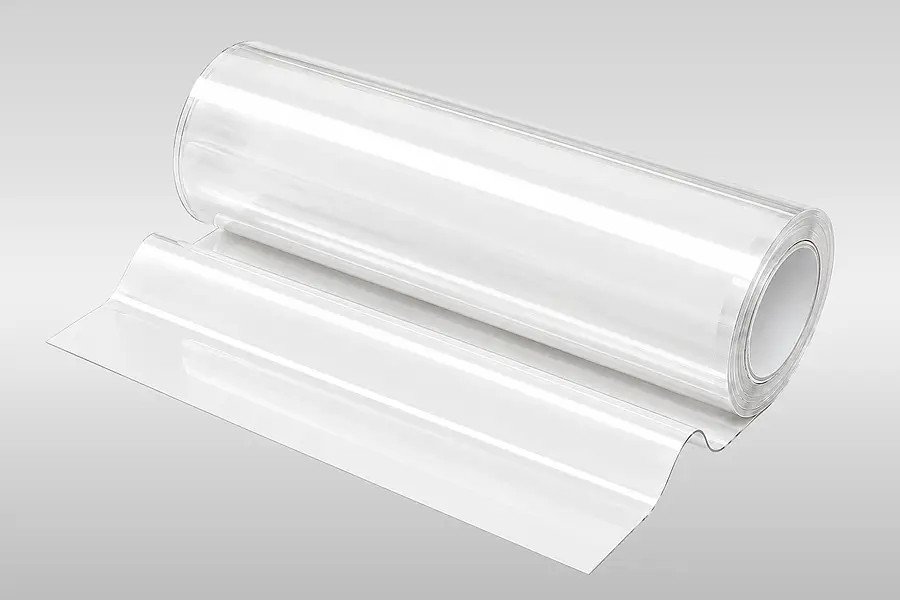
Technical films
Technical films are a documented class of input material. The specific film, surface, format and intended function are assessed for lamination. View film processing →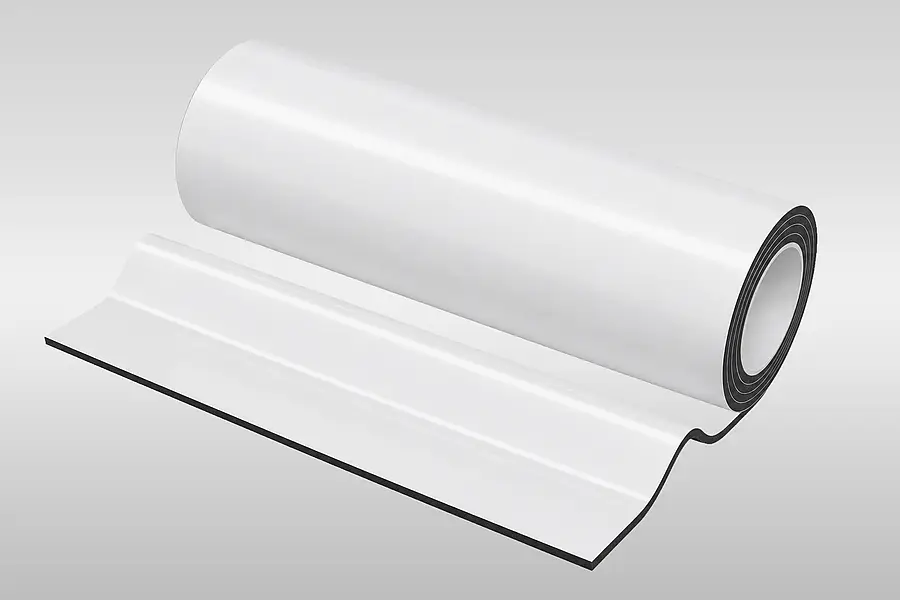
Adhesive film and other layers
Transfer adhesive film, adhesive tape and foam can form part of a multilayer construction. The combination must suit the film and the application. View adhesive tape lamination →06
THE LAMINATION PROCESS
07
DETAILS FOR YOUR FILM LAMINATION ENQUIRY
Tell us about the application and the required outcome: Which film and other layers should be joined, which side should be adhesive, and how will the composite be processed later? Details of the input material, layer construction, dimensions, desired supplied form and required quantity help us assess the project.
A drawing or sample is useful when contours, cut-outs, liners or handling need to be coordinated precisely. We assess the material combination, geometry and production route for your particular case and agree a suitable execution with you.
08
QUESTIONS ABOUT FILM LAMINATION
Which films can be laminated?
Suitable technical films can be laminated. The specific film, its surface, the intended layer construction and later processing are decisive. A material name alone does not confirm suitability; we assess the combination for your application.
Can lamination make a film self-adhesive?
Yes. A suitable film can receive an appropriate adhesive layer or transfer adhesive film. Which side is adhesive and which liner covers the adhesive are determined by the application and handling needs.
Can laminated films be supplied on rolls or as sheets?
Rolls and suitable sheets are possible supplied forms. The right form depends on the input material, composite construction, format and subsequent processing step. We agree the execution for the specific film composite during the project.
Can a film composite be cut or die cut afterwards?
Yes. Suitable material composites can be processed further after lamination. Whether cutting or die cutting is appropriate depends on the layer construction, contour and required supplied form. The material class alone does not determine a shape or production limit.
What information is needed for a film lamination enquiry?
Useful details include the application, required function, proposed films and other layers, dimensions, supplied form and quantity. If the contour or position of the adhesive layer matters, include a drawing or sample. This lets us assess suitability for your case.
Enquire about your film composite
Describe the application, input material and desired supplied form. We will assess with you which construction and production route are suitable.

ADHESIVE TECHNOLOGY FOR FILM COMPOSITES
Thomas Klein
Contact for converting
Thomas Klein advises you on material construction, lamination and a suitable supplied form for your film enquiry.