

FILM CUTTING FOR INDUSTRIAL PROCESSING
Film cutting for application-ready rolls and sheets
Krückemeyer GmbH cuts suitable technical films to the width and running length needed for your process. Whether you need a roll, a narrow strip or a sheet, we align the material, dimensions and delivery format with your application.
01
FILM CUT TO FIT THE APPLICATION
From a wide film web to the right delivery format
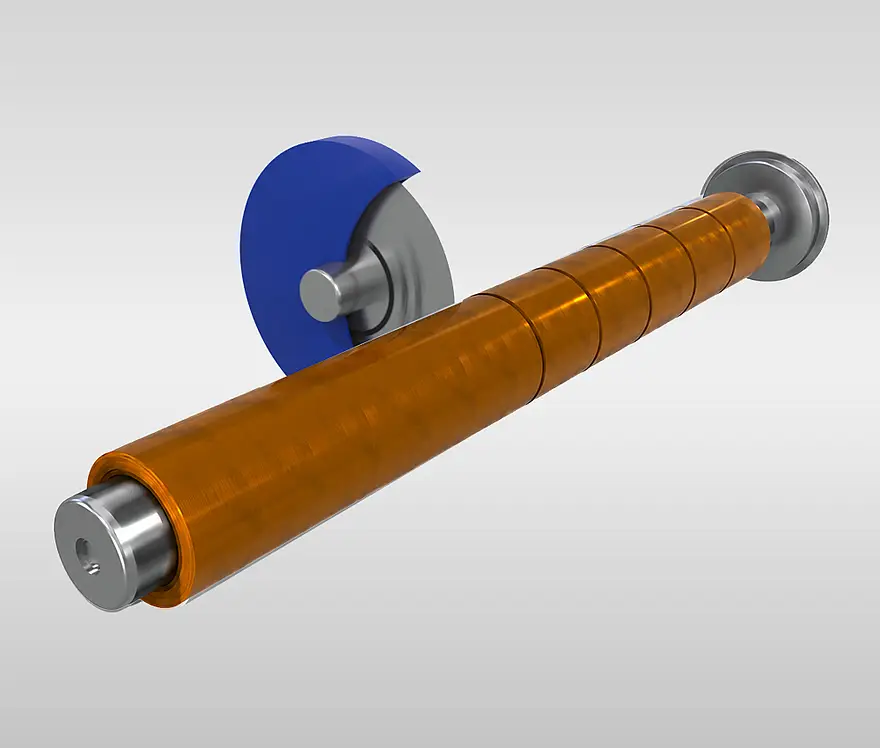
Film cutting brings a suitable starting material to the required width or running length. The result may be a cut roll, a narrow strip or a sheet. This allows the film to fit the next production step and the intended feed method.
It is important to distinguish the material from the process: a protective, polymer or metal film gets its properties from the starting material. Cutting sets the dimensions and delivery format; it does not create additional material properties. Krückemeyer checks which cutting and winding methods suit your film and the requested dimensions.
Separate processes are available for contours and shaped parts: film die cutting, film laser cutting and film plotter cutting. This page focuses on widths, lengths and film formats that can be handled in your process.
02
FROM FILM REQUIREMENT TO CUT MATERIAL
Step 01
Describe the application
Tell us about the film, its intended use, dimensions and delivery format. A drawing or sample helps when you have special requirements.
Step 02
Assess feasibility
We assess the starting material, geometry, dimensions, core and quality requirements and select an appropriate cutting method.
Step 03
Agree the format
Width, running length, sheet size and handling are agreed. If needed, trial production can precede your approval.
Step 04
Convert the film
After agreement, the material is cut to the specified format and prepared for the next processing step.
03
WAYS TO CUT FILM
Cut rolls to width
Suitable film rolls are divided into the required widths. The appropriate width and core are assessed for the material and application.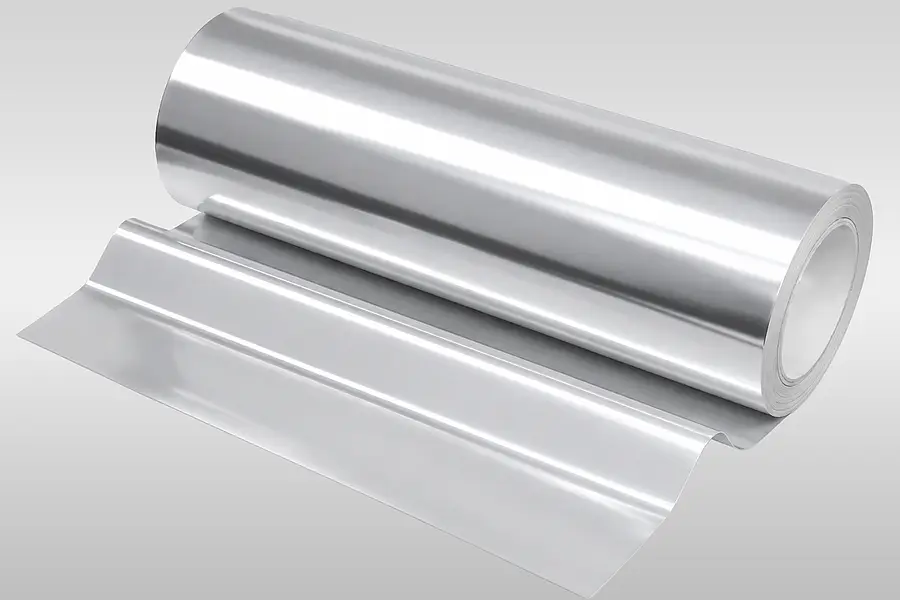
Cut rolls to running length
The required running length determines how the film is supplied for the next process. Cutting and rewinding can be combined. Explore rewinding →04
POSSIBLE FILM FORMATS
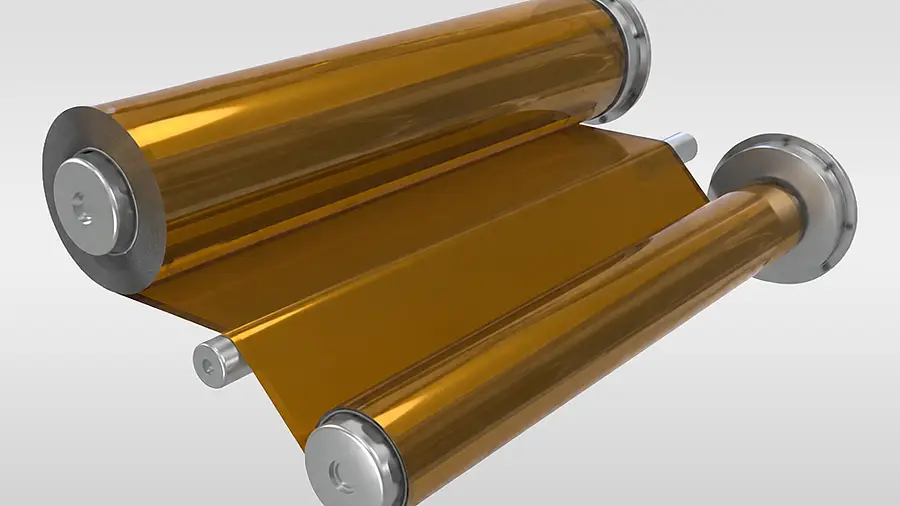
Cut film rolls
Film rolls are supplied in an agreed width and running length for the intended feed method.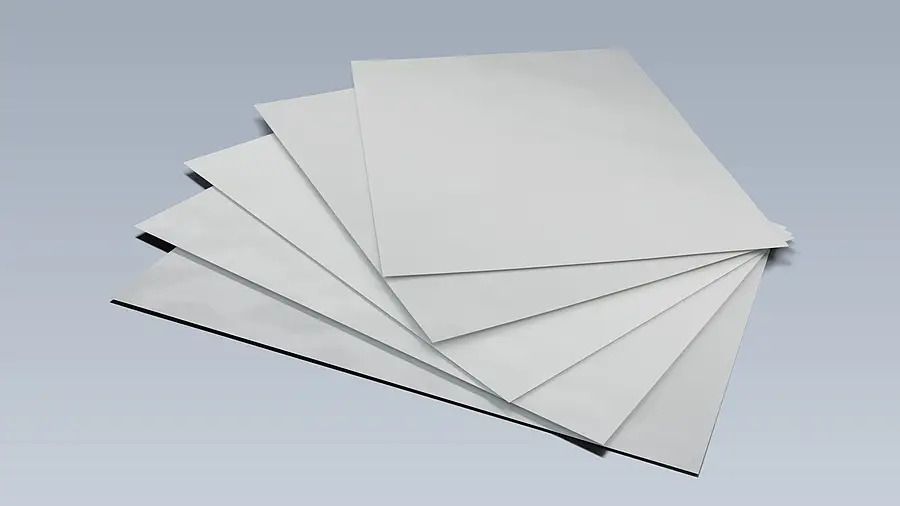
Film sheets
Suitable sheets provide individual cuts for subsequent processing. Their size is determined by the application and starting material. Explore film converting →05
CHECK SUITABLE FILM MATERIALS
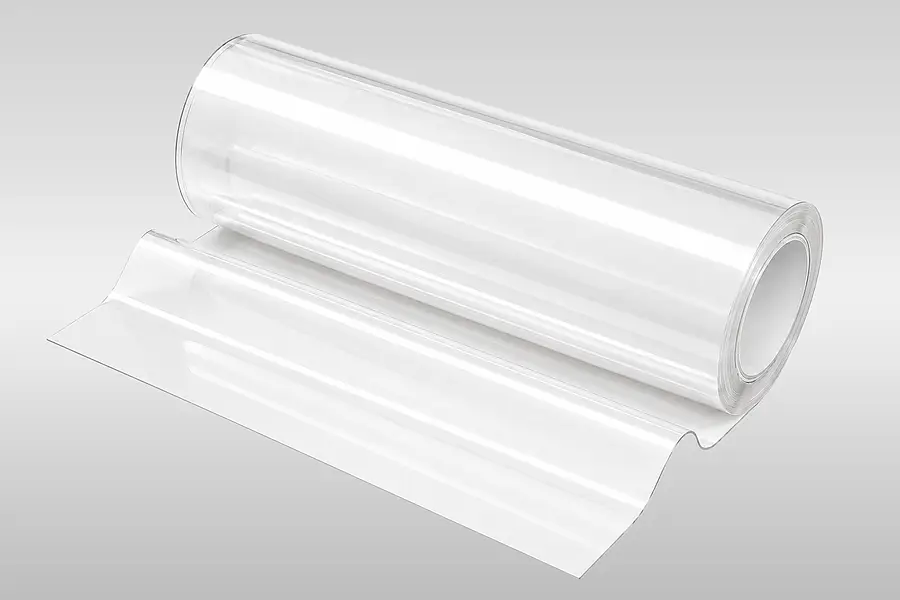
Technical polymer films
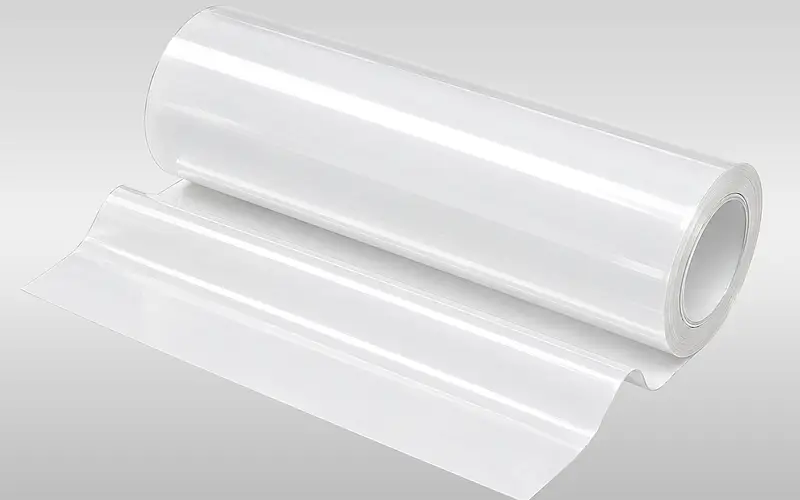
Suitable technical films can be converted from roll stock to the required width and length; the specific material must be assessed. Explore film converting →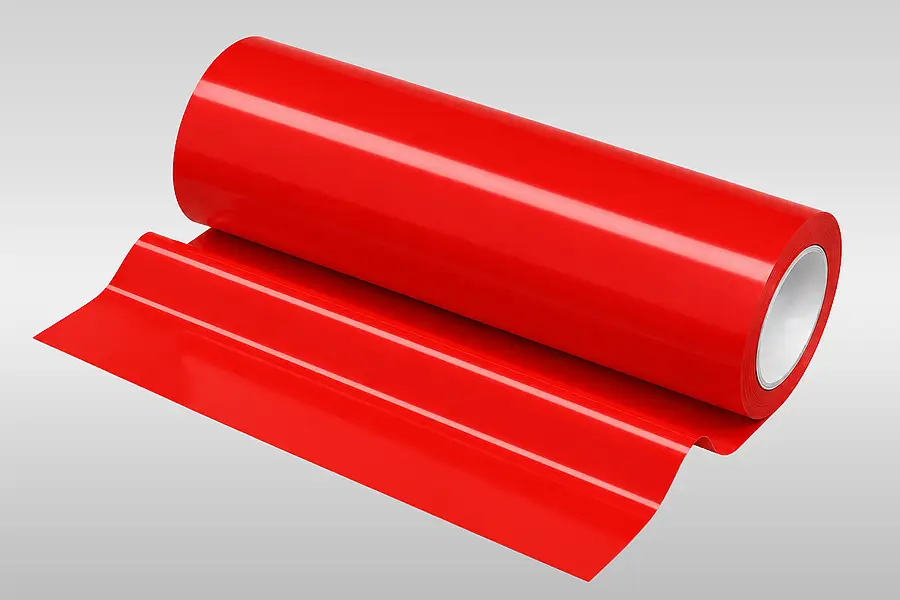
PVC films
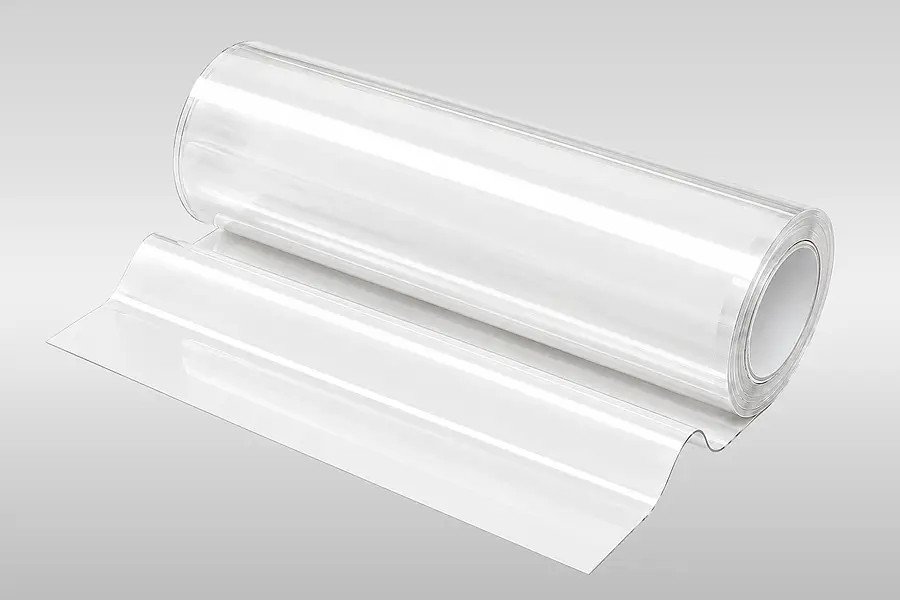
Suitable PVC films can be cut from roll stock to the required dimensions. Whether the requested format is feasible is assessed for the specific material. Explore film converting →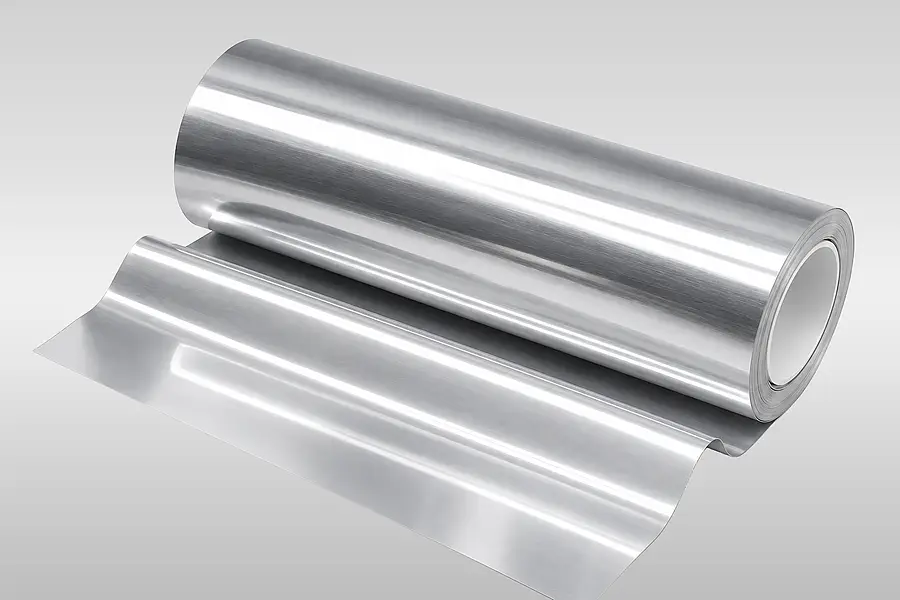
Metal films
Suitable metal films are also among the documented material groups. Cutting and delivery format depend on the specific film and geometry. Explore film converting →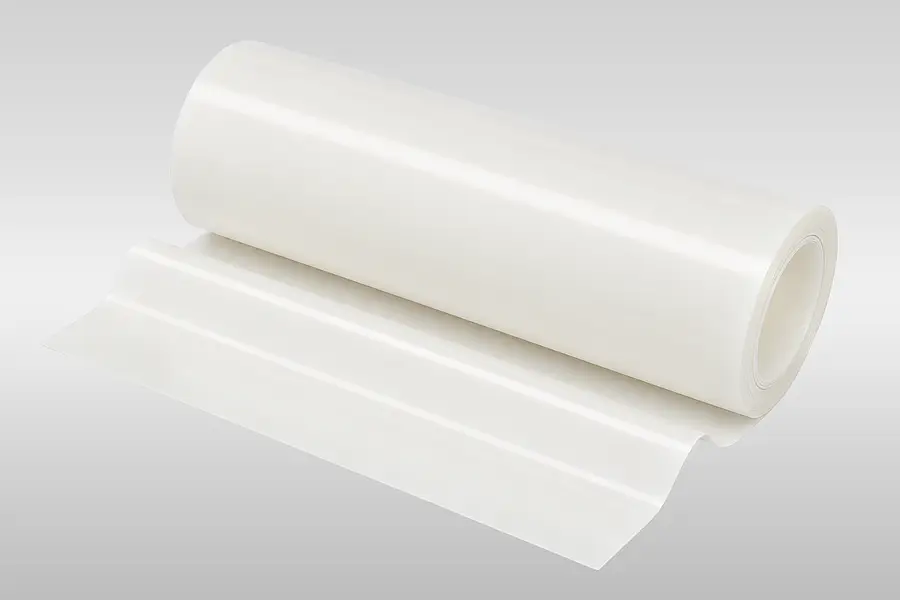
Silicone films
Silicone film extends the range of possible starting materials. We assess suitable dimensions and cutting method using the actual material. Explore film converting →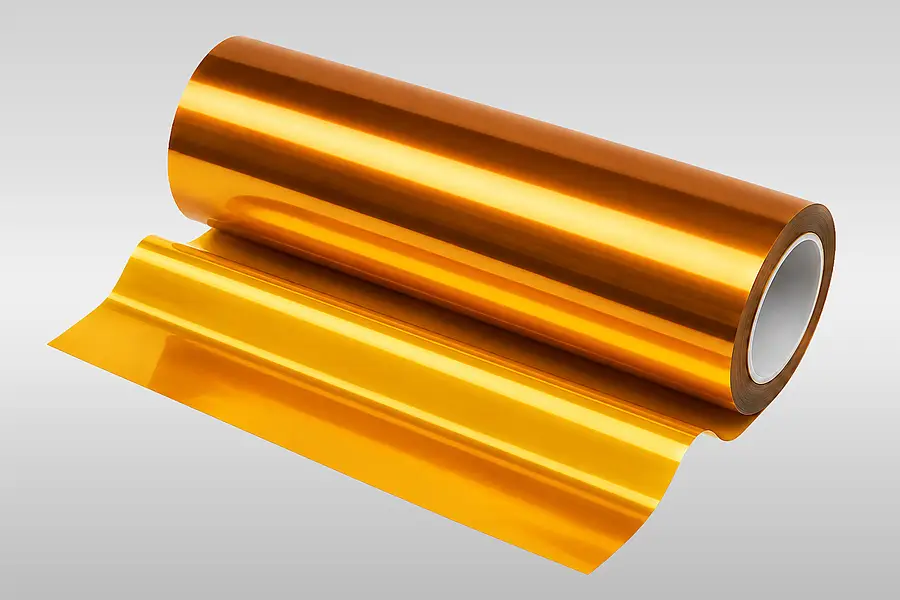
Polyimide films
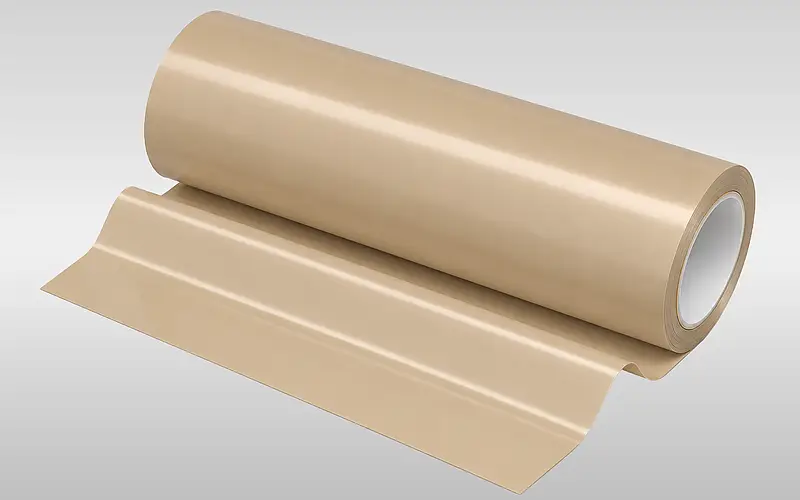
For polyimide film, we match the cut to the starting material and required dimensions. We assess the suitable delivery format for the application. Explore film converting →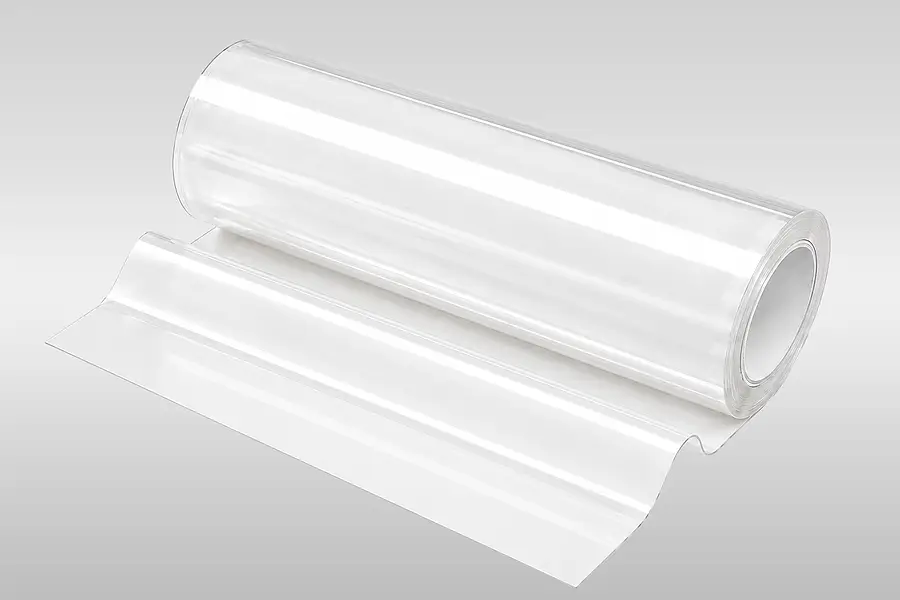
Polycarbonate films
Polycarbonate film is a possible technical starting material. We assess the actual film to determine whether the required width, length and delivery format are feasible. Explore film converting →06
ROLL CUTTING VIDEO
07
WHAT DETERMINES THE FILM CUT
| Selection criterion | Effect on the format | Details for your request |
|---|---|---|
| Starting material | The film and any material combination determine which cutting method needs assessment. | Material type and starting format |
| Dimensions and geometry | Width, length and required shape define the cut. | Target width, running length or sheet size |
| Delivery format | Roll, sheet or suitable winding format depend on the subsequent feed method. | Core, processing method and preferred format |
| Quality requirement | Inspection and documentation are agreed for the project if required. | Relevant dimensional and quality specifications |
SUITABILITY IS CHECKED FOR EACH REQUEST
08
DETAILS FOR YOUR FILM CUTTING REQUEST
Please describe the intended application and the result you need. To assess the technical options, it helps to know the film material and starting format, required width and running length or sheet dimensions, core diameter or feed method, quality requirements and quantity.
If available, add a drawing, sample and details of manual or machine processing. This enables us to assess a suitable cutting and delivery format; a material name or one dimension alone is not a feasibility commitment.
09
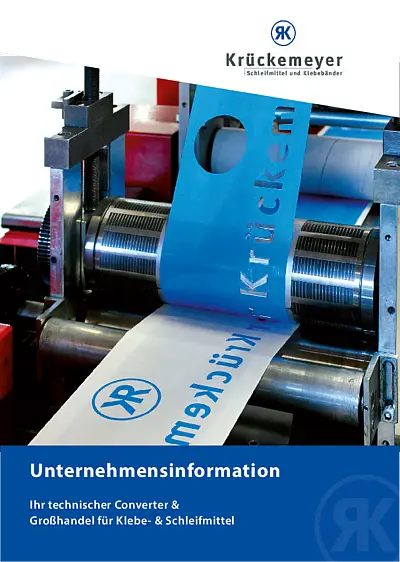
FILM CUTTING IN OUR COMPANY OVERVIEW
10
FILM CUTTING QUESTIONS
Which films can Krückemeyer cut?
Suitable technical films, protective films and metal films can be cut. We assess whether a particular film can be processed to the requested width or supplied as a sheet by looking at the actual starting material, its dimensions and the intended delivery format. A material name alone is not enough for a firm feasibility statement. Please also tell us the starting format and application.
When should I choose a roll or a sheet?
A roll is useful when the film is fed as a web or processed continuously. A sheet may be better for individual cuts and subsequent operations. The customer's process, material and required dimensions determine the choice. We therefore agree the delivery format in the context of the application; neither format is inherently superior.
How does film cutting differ from film die cutting?
Cutting brings a film to the required width or length and prepares the desired roll or sheet format. Die cutting creates a specified contour or shaped part. If your application needs an outer contour, an opening or another shaped part, we assess the appropriate shaping process separately. The film die cutting page describes those options.
What information is needed for a quotation?
To assess your request, we need the application, film type and starting format, along with the target width, running length or sheet dimensions, preferred delivery format and quantity. Core and downstream processing details help for roll stock. A drawing or sample is useful when dimensions or handling require special attention. We use this information to assess a suitable process and resolve open points with you.
Have film cut for your application
Tell us about the film, the dimensions you need and the next processing step. We will assess the appropriate cut and delivery format.

FILM CUTTING ADVICE
Thomas Klein
Contact for converting
Thomas Klein discusses the starting material, dimensions and suitable delivery format for your film cutting requirement.