

Die-cutting film laminates
Die-cut laminating film to fit your application
Krückemeyer GmbH die-cuts suitable single- and multilayer film laminates into application-specific shapes. We agree the layer structure, openings and delivery format with you to suit your component and handling process.
01
Shaping film laminates
How does laminating film become a suitable die-cut part?
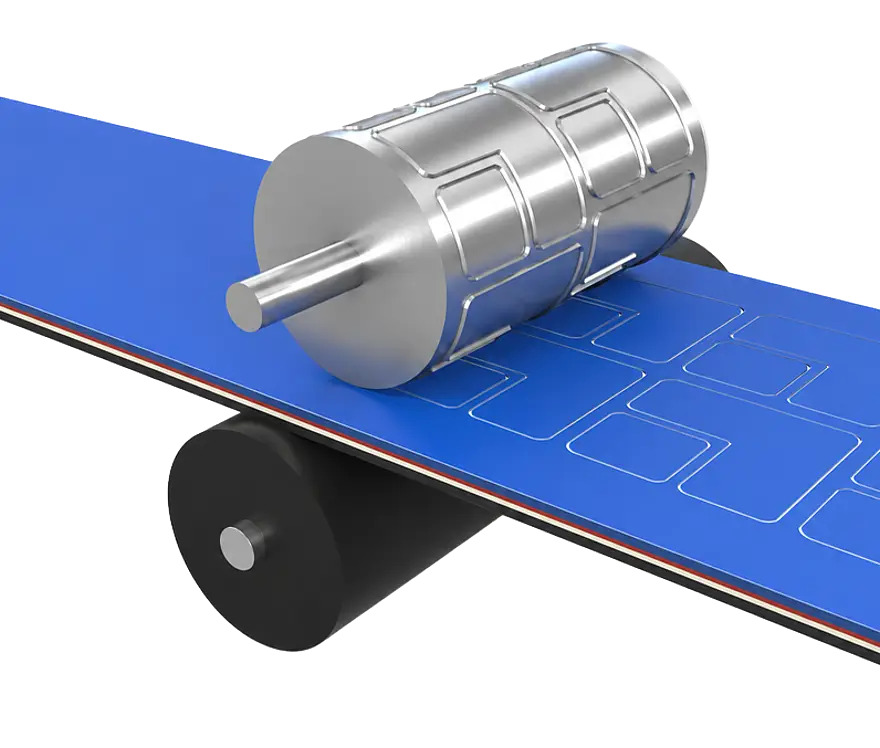
Die-cutting gives a suitable film laminate its outer shape and, where required, inner openings. The laminate may comprise several joined material layers. Which layers are cut and which remain as a carrier is defined according to how the part will be removed and applied.
Krückemeyer GmbH assesses the starting material, layer sequence, geometry and required delivery format together. Depending on the task, flatbed die-cutting, rotary die-cutting or layer-specific kiss-cutting may be suitable. The choice depends on the actual film and the intended result; the material name alone cannot establish feasibility.
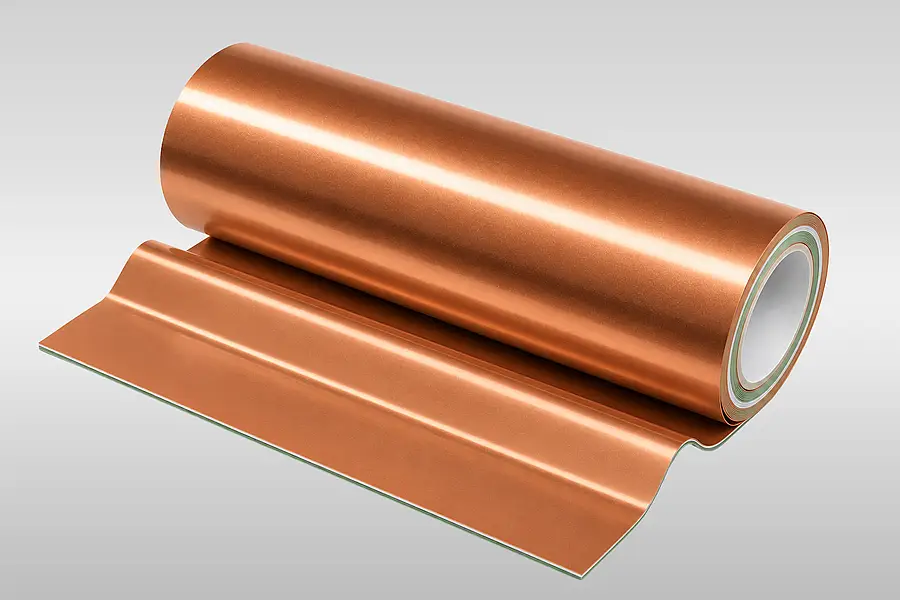
Protective, covering or functional parts can thus be supplied in a format suitable for handling in your process. If the laminate first needs to be assembled, die-cutting can be combined with appropriate lamination.
02
Your film laminate project
Step 01
Clarify use and layers
You describe the component, operating conditions, film layers and required function. A drawing or sample shows the shape and intended cutting layers.
Step 02
Assess the cutting process
We assess the film laminate, geometry and required separation of layers. We then select a suitable process option.
Step 03
Agree the format
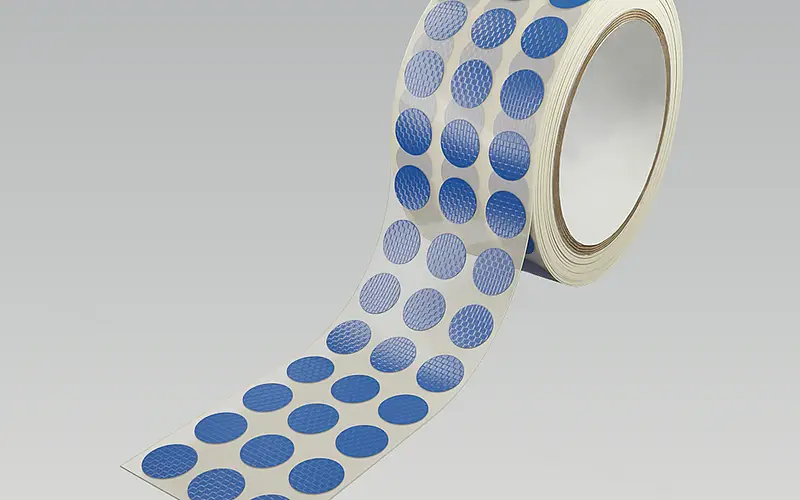
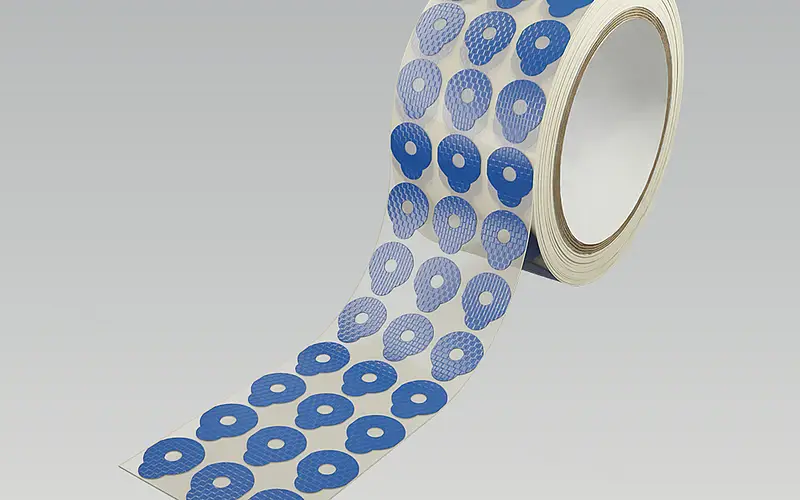
Shape, internal openings, carrier and delivery format are specified. A trial run or sample can be agreed for assessment.
Step 04
Supply the die-cut parts
Once agreed, we produce the specified format and supply it as rolls, sheets or individual parts as arranged.
03
Die-cutting options for film laminates
Flatbed die-cutting
For suitable film laminates and individual shapes with possible internal openings. We assess the material, geometry and tool for the project.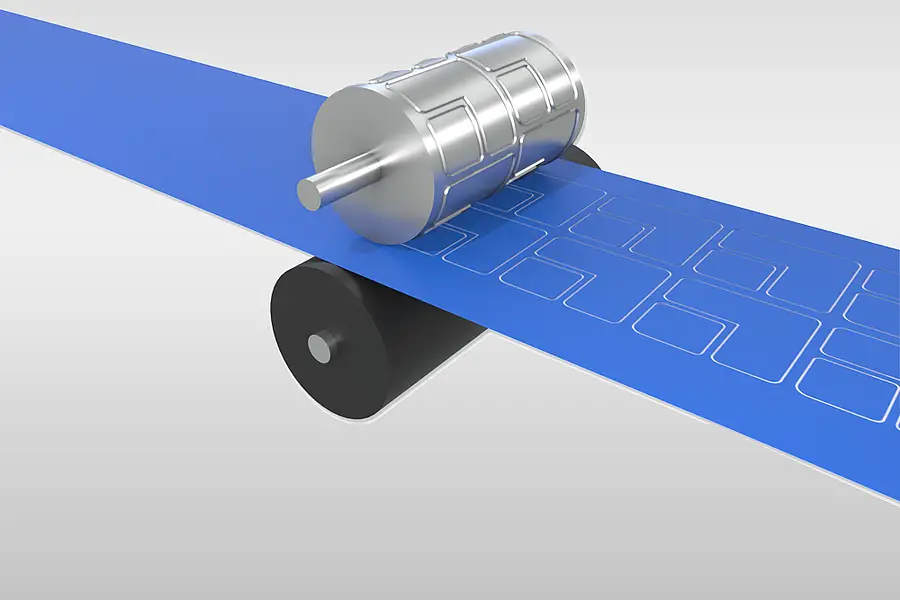
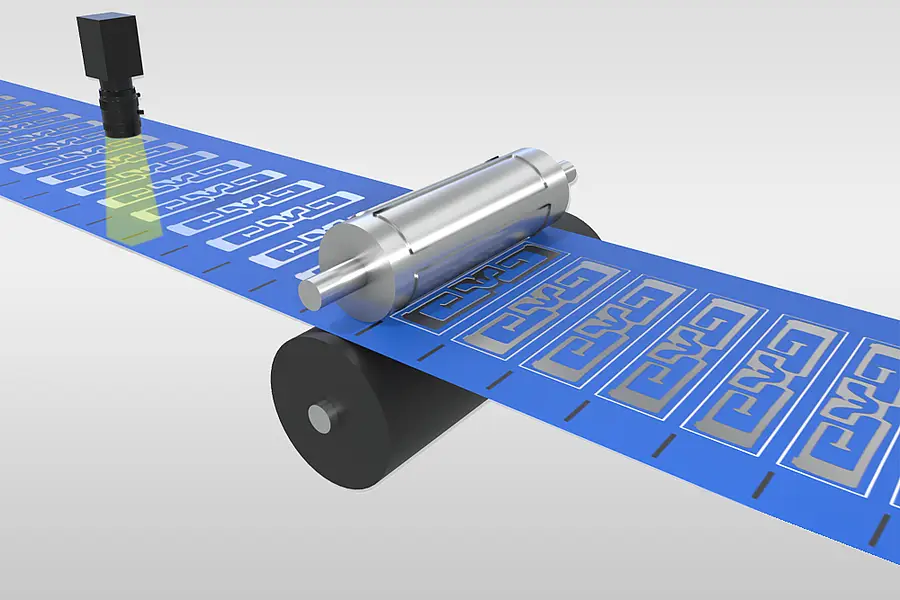
Rotary die-cutting
For suitable web-form film laminates with continuous processing. Layout and delivery format are adapted to the film structure. Explore rotary die-cutting →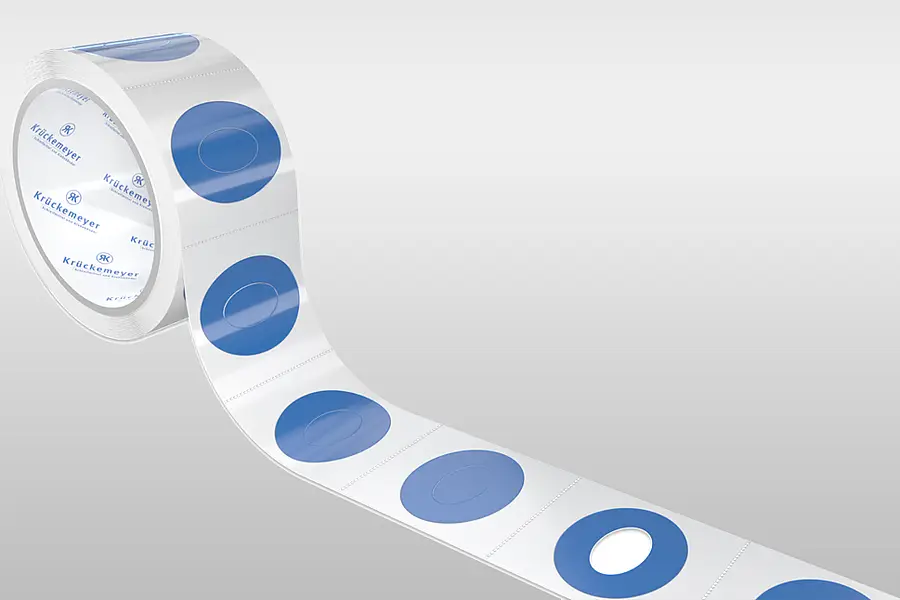
Kiss-cutting selected layers
Selected layers can be cut while other layers serve as a carrier. The cutting depth follows the specific laminate structure. Explore kiss-cutting →04
Possible delivery formats
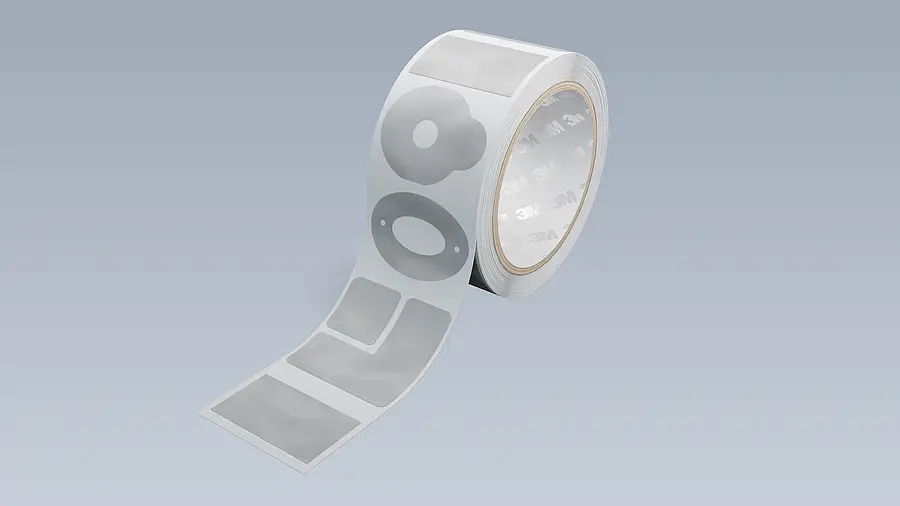
Die-cut parts on rolls
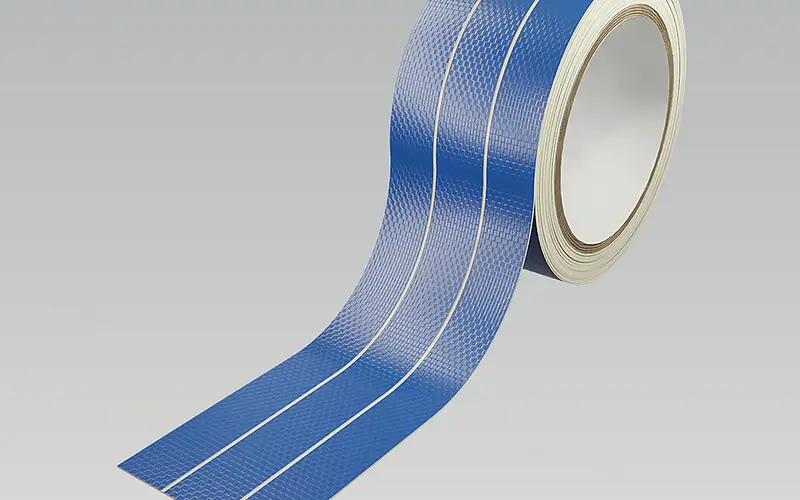
Suitable shaped parts can be arranged on a carrier web if this format supports removal and further processing. Assess rotary die-cutting →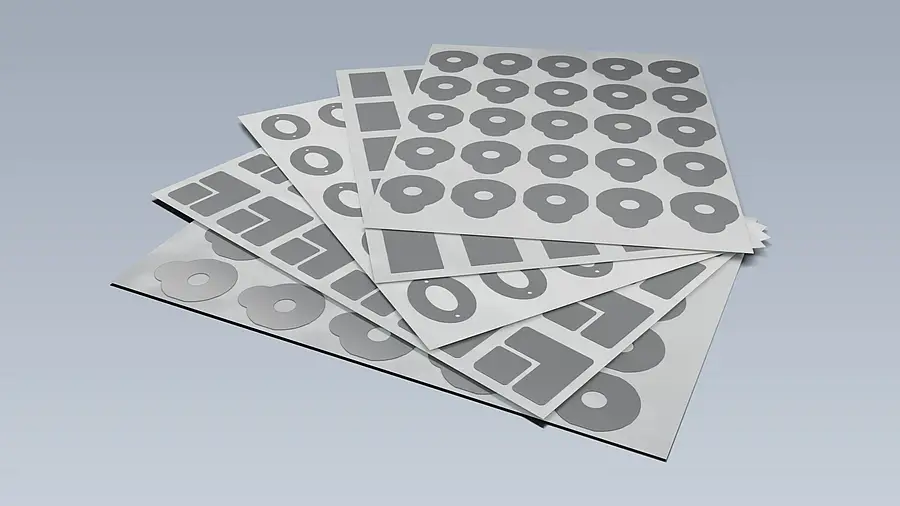
Die-cut parts on sheets
Several shapes can be supplied on a sheet. The layout, carrier and removal method are agreed for the film.05
Assessing starting materials
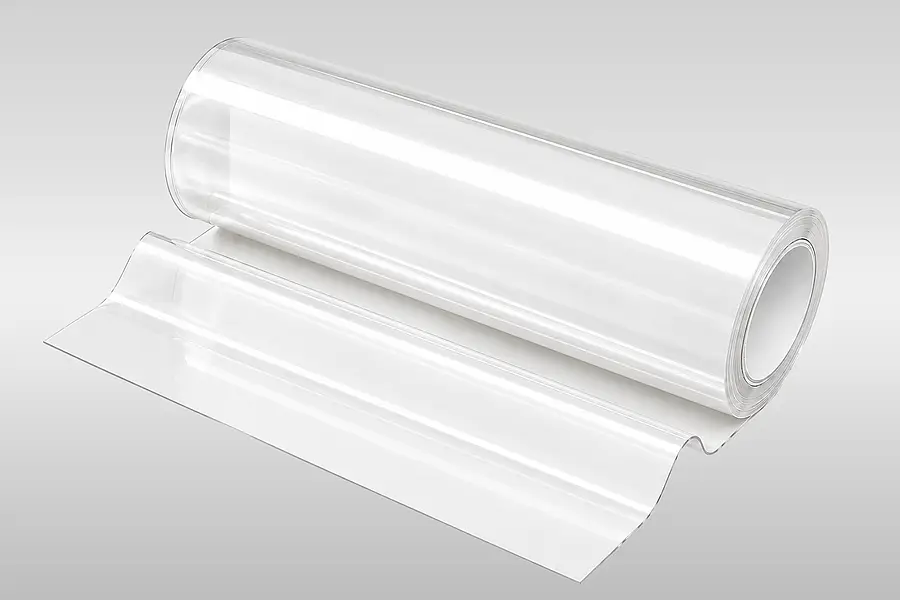
Technical film laminates
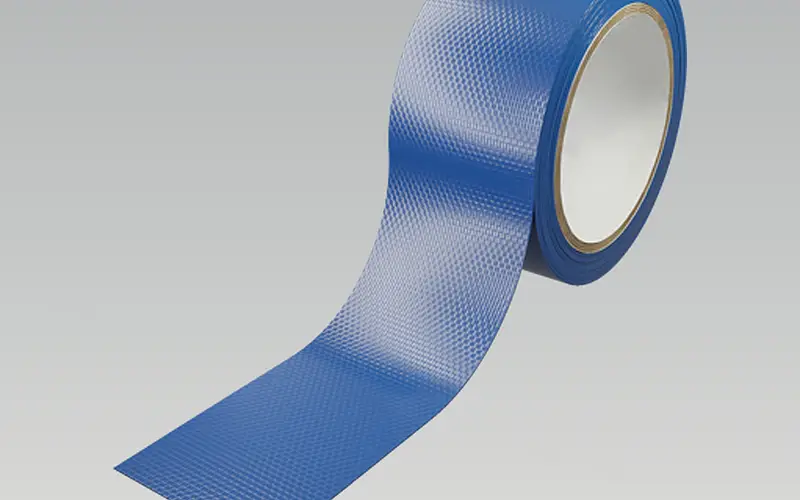
Single- and multilayer technical films are possible starting materials. Their layer sequence and intended function guide the assessment. Explore film die-cutting →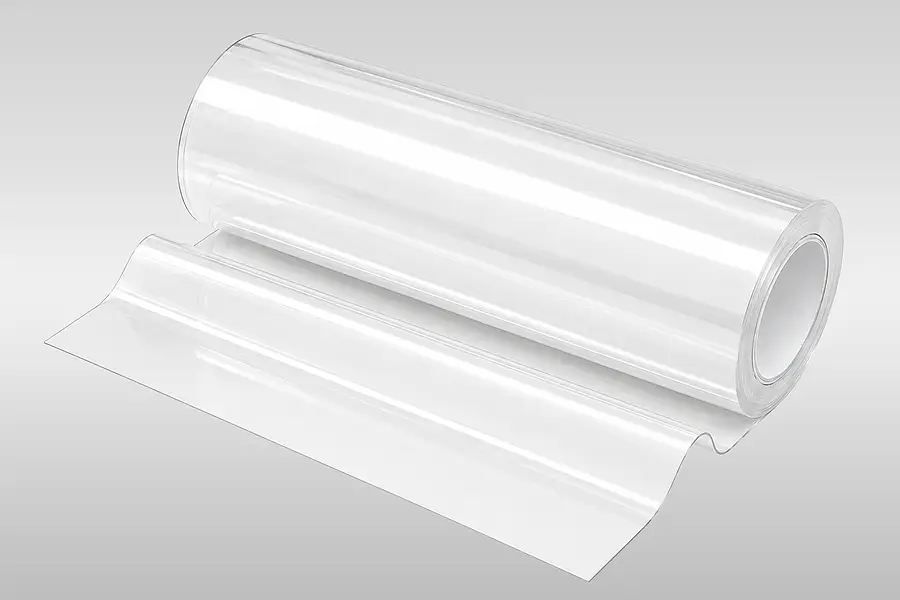
Self-adhesive film structures
The adhesive layer and liner affect the cutting layers and removal. The specific structure is agreed before converting. Explore film lamination →06
Film laminate and die-cutting
07
Choosing the cutting setup
| Point to assess | Decision for the format |
|---|---|
| Layer sequence | Which layers are cut, and which remain as a carrier for removal and application? |
| Shape and openings | Outer shape, inner openings and spacing are assessed from a drawing or sample. |
| Delivery format | Rolls, sheets or individual parts depend on further processing and handling. |
Material and geometry assessed for each project
08
Information about your laminating film
Tell us about the application and the required function of the die-cut part. Information about the existing or proposed film laminate, its individual layers, adhesive layer and carrier is helpful. Describe the outer shape, internal openings, dimensions and intended removal and application.
Please state whether you need rolls, sheets or individual parts, and the quantity requested. A drawing or sample helps us assess the layers to be cut, tolerance requirements and handling with you. For function-critical features, please specify the operating conditions.
09
Adhesive technology and converting
10
Questions about die-cut laminating film
How are individual layers of a laminating film die-cut?
The cutting layers are specified for the actual film laminate. Kiss-cutting can process selected layers while others serve as a carrier. The liner is not assumed to remain intact in every case. The layer structure, intended removal and subsequent application determine the setup.
Which film laminates are suitable for die-cutting?
Suitable technical films and combined film layers can be considered. Whether a particular laminate can be die-cut depends on its layer sequence, shape and required delivery format. Send us the structure or a sample so that Krückemeyer GmbH can assess the process and cutting layers needed.
Can die-cut laminating film include internal openings?
Internal openings can be part of an individual shape. Feasibility is assessed against the film structure, geometry and intended removal method. A drawing showing the areas to remain clear and information about the required carrier are particularly useful for an enquiry.
When is laminating film supplied on rolls or sheets?
The delivery format follows the application and further processing. Die-cut parts can be arranged on a carrier web or on sheets; individual parts are also a possible format. The material, geometry and handling determine a suitable arrangement.
What information does Krückemeyer need for a laminating-film die-cutting enquiry?
Describe the application, film structure, intended function, shape, dimensions and how the part will be removed. Also state the delivery format and quantity requested. A drawing or sample helps us establish the layer sequence, openings and suitable die-cutting process together.
Enquire about die-cut laminating film
Send us the film structure, a drawing or sample, and the required delivery format. We will assess a suitable die-cutting process for your application.

Film laminate advice
Thomas Klein
Contact for converting
Thomas Klein advises you on adhesive technology and the specification of your film laminate.