

ELASTOMER CONVERTING
Elastomer processing for application-specific cut parts
We assess how suitable elastomer stock can be converted to the required geometry and delivery format. The material, contour and application determine the manufacturing method.
01
ELASTOMER AS STOCK MATERIAL
How does elastomer stock become the right finished part?
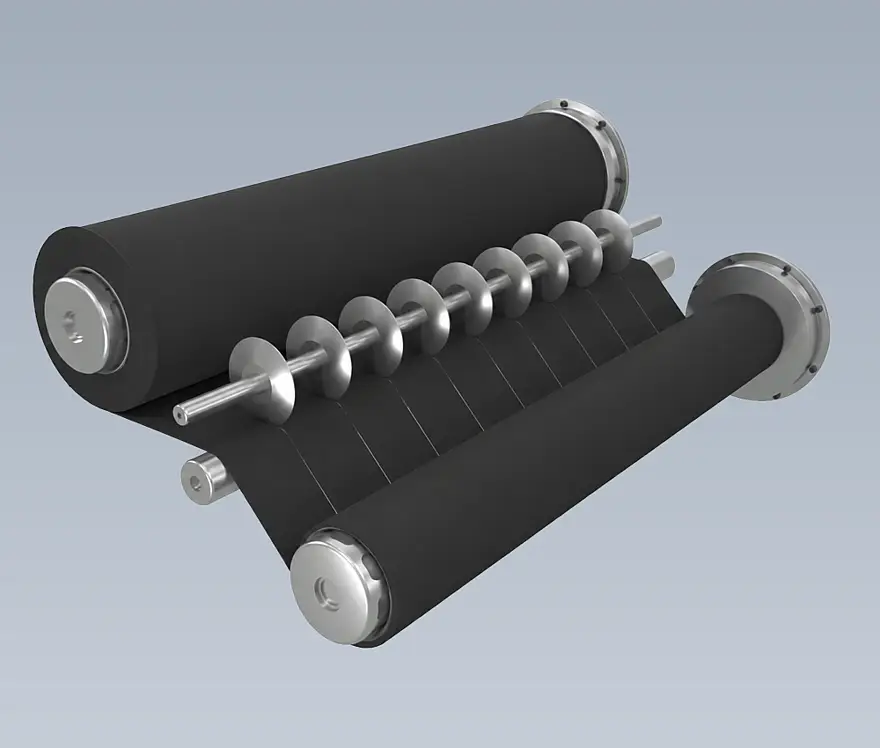
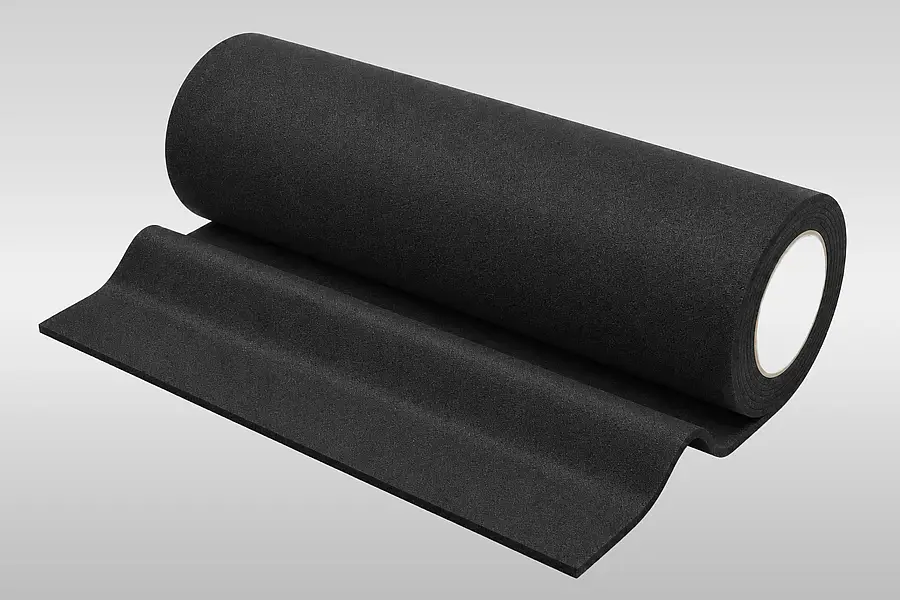
Here, elastomer processing means converting suitable stock material into dimensions, contours and delivery formats for a specific application. EPDM cellular rubber is one possible material example; rubber processing is described as a separate material route. The appropriate method depends on the material at hand, the required component and how it will be handled later.
For cuttable material, cutting to size can produce the required dimensions. Shaped parts can be made by die cutting or, if the material is suitable for laser processing in principle, by laser cutting. A material name alone does not confirm that it can be processed: thickness, layer structure, contour and quality requirements are assessed together. PVC is excluded from laser cutting.
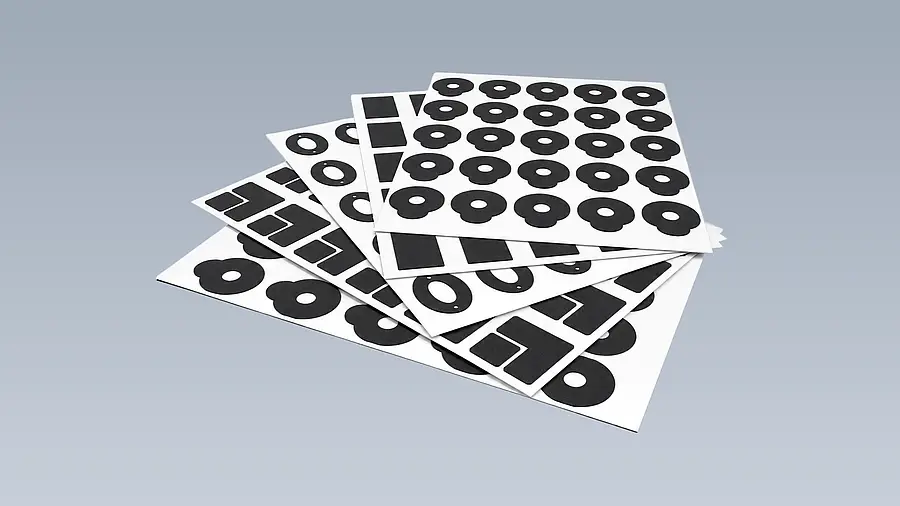
Depending on the material and method assessed, the part can be planned as a die-cut part on a roll, on a sheet or as an individual piece. If a self-adhesive backing is required, the material combination must also suit the application. This turns the material choice into a practical delivery format, rather than merely defining a shape.
02
FROM ELASTOMER TO FINISHED PART
Step 01
Clarify the application and stock material
Describe the component, its purpose, the elastomer stock and the required delivery format. A drawing or sample helps us assess the requirements.
Step 02
Check processability
We assess the material, geometry, dimensions and quality requirements together and select a suitable route to a cut-to-size or shaped part.
Step 03
Agree on the sample and specification
We discuss the contour, handling and, where applicable, adhesive construction using the sample. You test and approve the prototype in your application.
Step 04
Agree on production
Once you have approved it, we manufacture the agreed specification. We document changes and inspection requirements for the project.
03
PROCESSING METHODS FOR ELASTOMERS
Cut elastomer to size
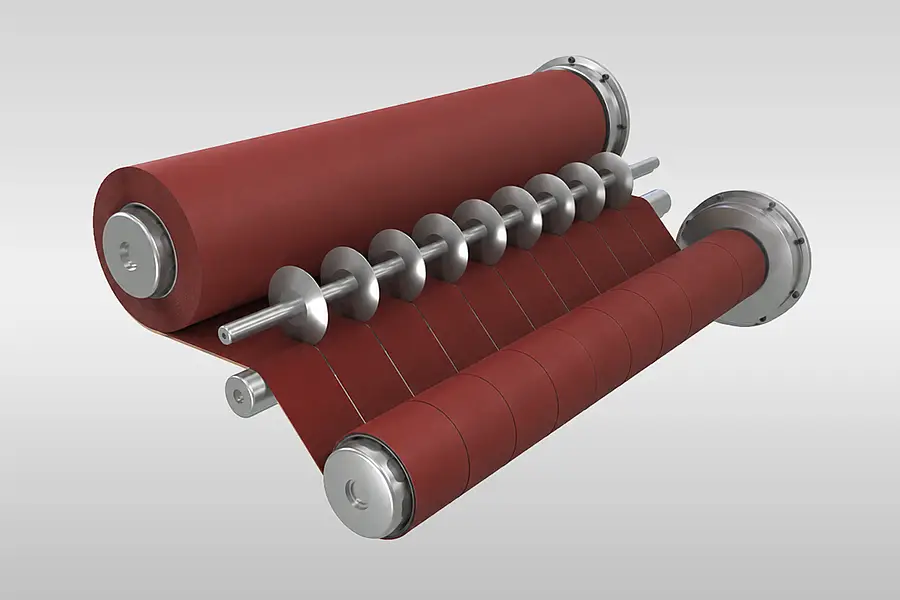
For suitable stock material, cutting defines the width and length needed for further use. The material and required dimensions determine feasibility. Cutting and cutting to size →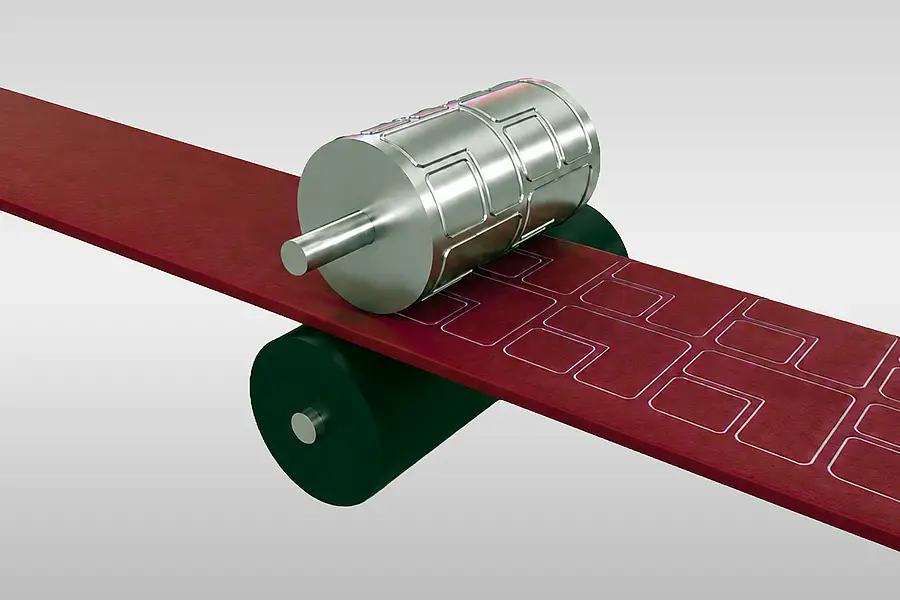
Die-cut elastomer
Stock material confirmed as suitable for die cutting can be formed into application-specific contours. The shape, layer structure and subsequent handling determine the specification. Explore die cutting →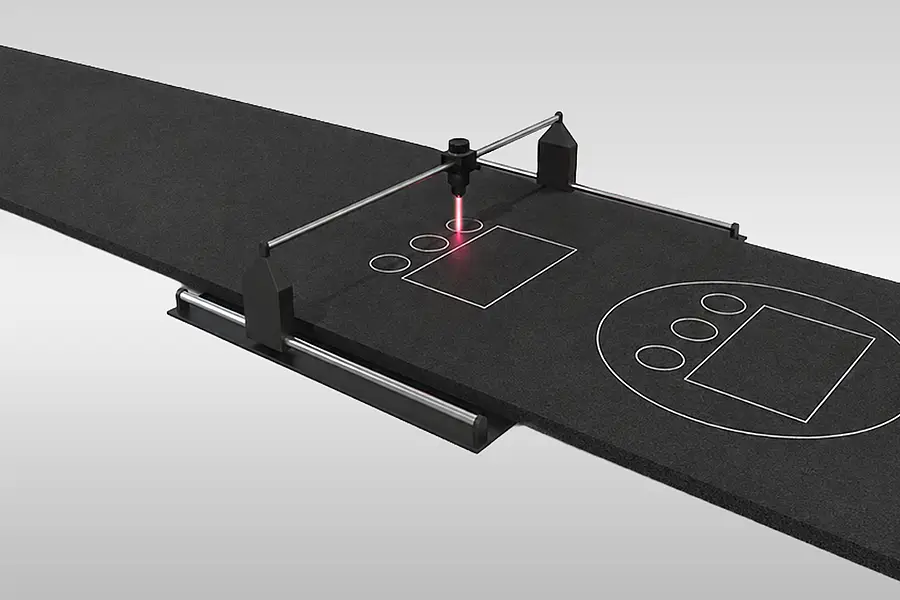
Laser-cut suitable EPDM
EPDM that is suitable for laser processing in principle can be cut to contours without a shaped die. The material and heat input must be assessed first. EPDM Laser Cut →04
POSSIBLE ELASTOMER PARTS
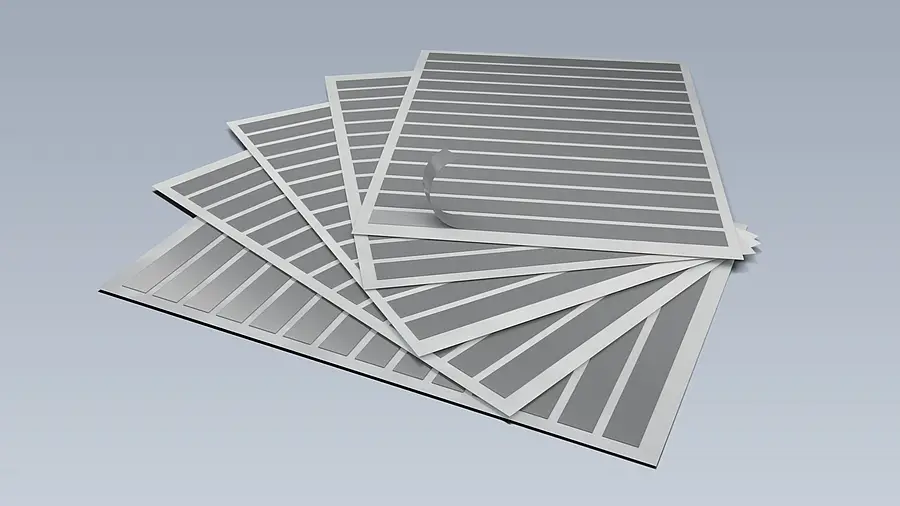
Elastomer strips and tapes
We make elastomer strips and tapes from suitable stock material in agreed widths and lengths. Dimensions and specifications depend on the material, geometry and how you will process them further. Explore cutting to size →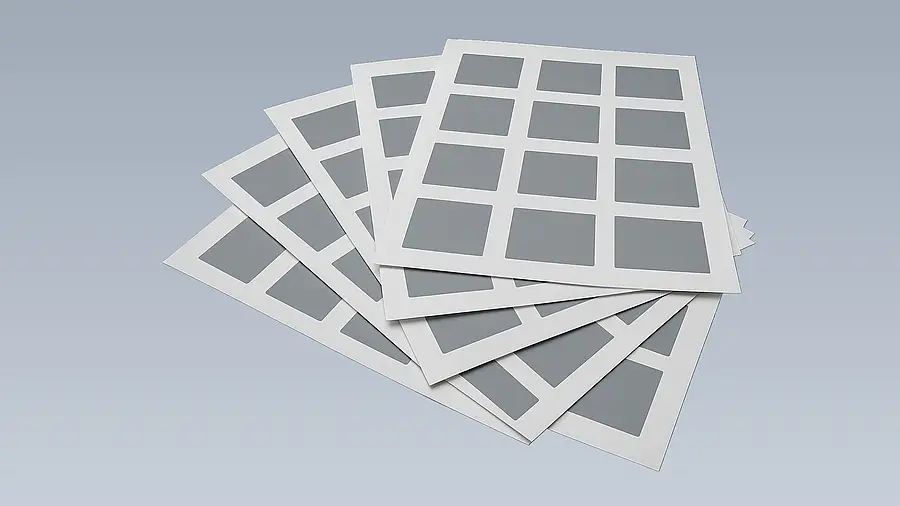
Contoured EPDM part
Suitable EPDM can be made into a contoured part. A case-by-case assessment determines whether laser or die cutting is appropriate and how the part will be delivered. EPDM Laser Cut →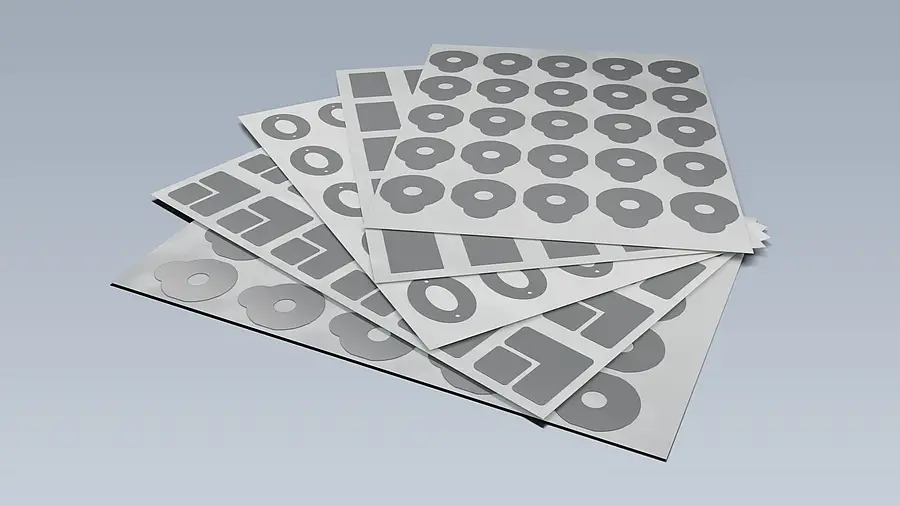
Die-cut elastomer parts
After assessing the material and contour, elastomer stock suitable for die cutting can be processed into shaped parts. We align the delivery format with subsequent handling. Explore die cutting →05
SUITABLE STOCK MATERIAL
06
LASER CUTTING AS A PROCESS EXAMPLE
07
DETAILS FOR YOUR ELASTOMER ENQUIRY
Please describe the application and the result you need. Helpful details include the exact material designation and structure of the stock material, a drawing or sample, the contour and dimensions, and whether you need delivery on a roll, on a sheet or as individual pieces.
Also tell us how the parts will be processed at your facility, whether a self-adhesive backing is needed, the required quantity and any special quality or inspection requirements. If you already use a material or an existing part, explain what needs to change. We use this information to assess the processing method and feasibility.
08
FREQUENT QUESTIONS ABOUT ELASTOMER PROCESSING
Which elastomers can be converted?
Suitable elastomer stock that can be cut or die cut may be converted for a specific application. EPDM cellular rubber is one material example. The material designation alone is not enough to confirm feasibility: material structure, thickness, geometry, dimensions and the required delivery format all affect the possible processing method. The intended use and quality requirements must also be assessed. Send us the material data and, if possible, a drawing or sample so that we can identify a suitable method.
Can every elastomer be processed?
Not every elastomer can be processed by every method. Processing may become more difficult as Shore hardness and material thickness increase. Depending on the material, its structure and the contour, some die-cutting methods may therefore be ruled out. Laser cutting may be an option if the material is suitable for laser processing in principle and contains no PVC. We also assess whether the laser can produce the required contour and cut edge on the specific material. Please send us the material data, including Shore hardness and thickness, together with a drawing or sample. We will assess which manufacturing method is suitable for your application.
Can EPDM be laser cut into contoured parts?
Yes, if the specific EPDM material is suitable for laser processing in principle and the required contour can be produced with the method. Material thickness, structure and heat input are among the deciding factors. This does not automatically mean that other elastomers are suitable for laser cutting. PVC is excluded from laser cutting. For an EPDM project, we therefore assess the actual stock material and drawing before selecting laser cutting as the manufacturing method. Depending on the material and shape, die cutting may be an alternative.
In what formats can elastomer parts be delivered?
Depending on the suitable material and method, die-cut parts may be supplied on a roll, on a sheet or as individual pieces. These delivery formats differ in how the customer handles them. The choice depends on the geometry, material structure, application process and required workflow. A specific delivery format cannot be promised on the basis of the word “elastomer” alone. Please also tell us whether the parts will be processed manually, semi-automatically or automatically; this helps us agree on a suitable specification.
What information does Krückemeyer need for an elastomer enquiry?
We need to know the application, the stock material you have or require, the geometry and dimensions, and the intended delivery format. A drawing, technical material data or a sample helps us assess the material and contour together. Also describe the subsequent processing step, the required quantity and any inspection or quality criteria that need to be agreed. If a self-adhesive backing is required, the material combination is relevant too. We will clarify with you what further information is needed for the specific feasibility assessment.
Enquire about elastomer processing for your component
Send us your material details and required geometry. We will assess which processing method and delivery format suit your application.

ADVICE ON ELASTOMER PROCESSING
Thomas Klein
Contact for converting
Discuss your elastomer stock, the required contour and the subsequent processing step with Thomas Klein.