

Converting by material for adhesive and abrasive technology
From base material to the right shape and delivery format
Krückemeyer converts suitable adhesive tapes, technical films, foams and abrasives on backing into shapes and delivery formats suited to the application. Choose your material first, then the appropriate manufacturing process.
Consider material and application together — Geometry, dimensions and the intended handling also determine which converting process makes sense.
01
Material selection in converting
What does converting by material mean?
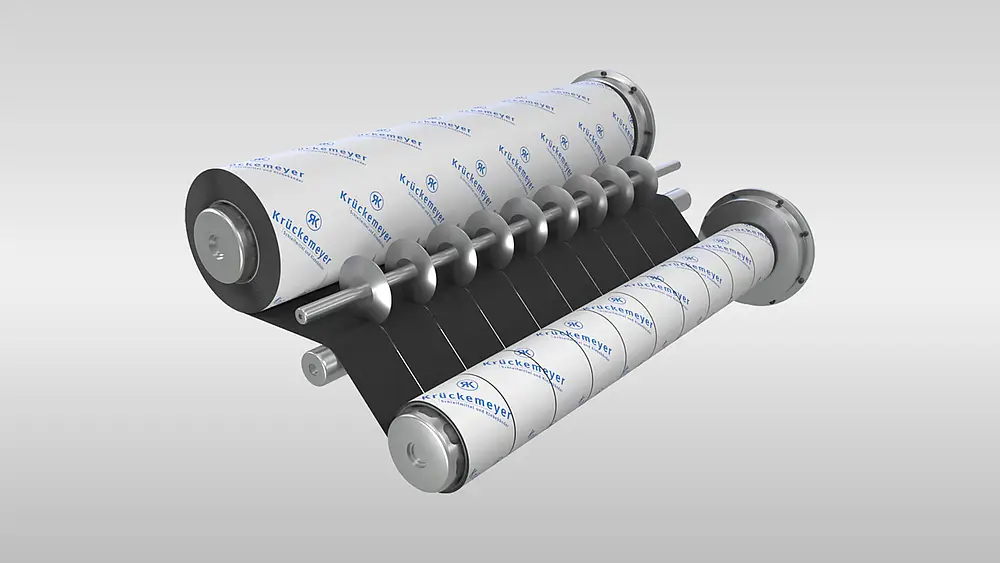
Converting by material starts with a suitable base material. Cutting, die cutting, laser cutting, winding or laminating then produce dimensions, contours, layer structures and delivery formats for a specific use.
Adhesive tape, film, foam and abrasives on backing have different processing and handling requirements. A material name alone is therefore no guarantee that it can be processed. The required shape, dimensions and delivery format, as well as the suitability of the specific material, are decisive.
Materials supplied on rolls are a focus. Suitable sheet material can also be processed and given a self-adhesive layer. Composites made from film, adhesive tape and foam are also possible if the combination suits the application.
The material pages guide you to the relevant topics in adhesive and abrasive technology. The process overview below shows which existing manufacturing methods can help you narrow down the required format.
The base material is not the finished product
An abrasive belt, for example, is a delivery format made from abrasives on backing. The right format can only be determined after the material has been selected and the shape, dimensions and use have been clarified.
Go straight to the material groups
02
Base materials
Which materials can be converted?
The material group is the starting point; whether a specific design can be processed is assessed individually.
Adhesive tapes by backing and structure
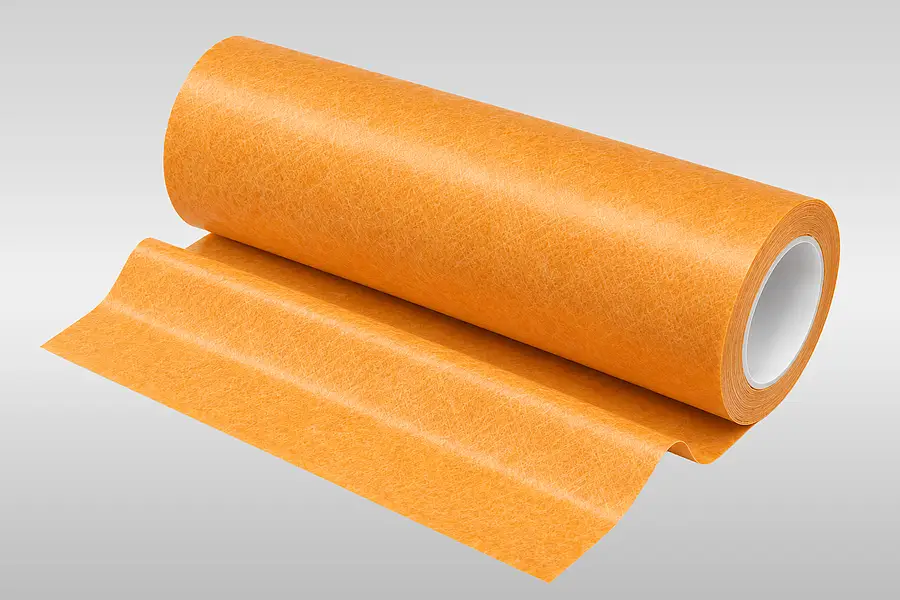
Paper, nonwoven, fabric, film and foam adhesive tapes differ in their structure. Possible converting options include roll dimensions, die-cut shapes and handling aids. The right combination depends on the component, surface and application. Adhesive tape converting →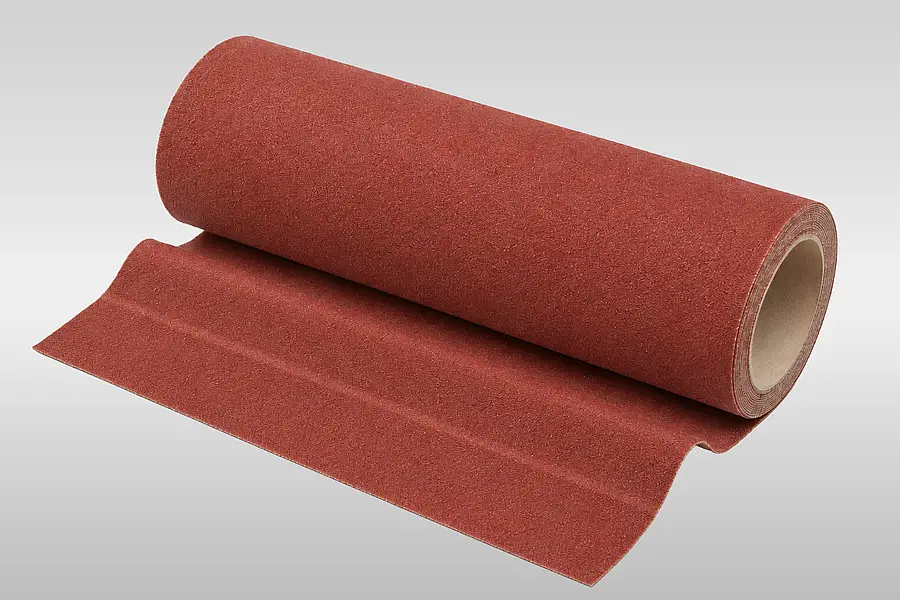
Abrasives on backing
Abrasive paper, abrasive cloth, nonwoven abrasives and film-backed abrasives are base materials. They can be used to produce abrasive belts, abrasive strips or shaped parts, for example. The workpiece, grinding process, machine and required final shape all matter when choosing a material. Abrasive converting →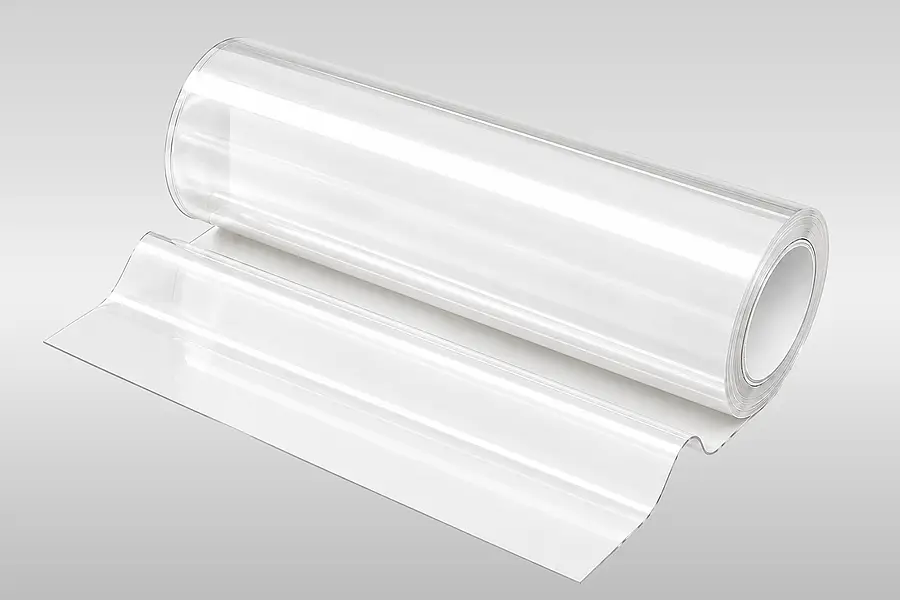
Technical films
Technical films can be processed as roll goods or in a suitable sheet format. Depending on the film and requirements, cutting, die cutting, laser cutting or a multilayer structure may be possible. The shape and suitability of the material are assessed for the specific job. Film processing →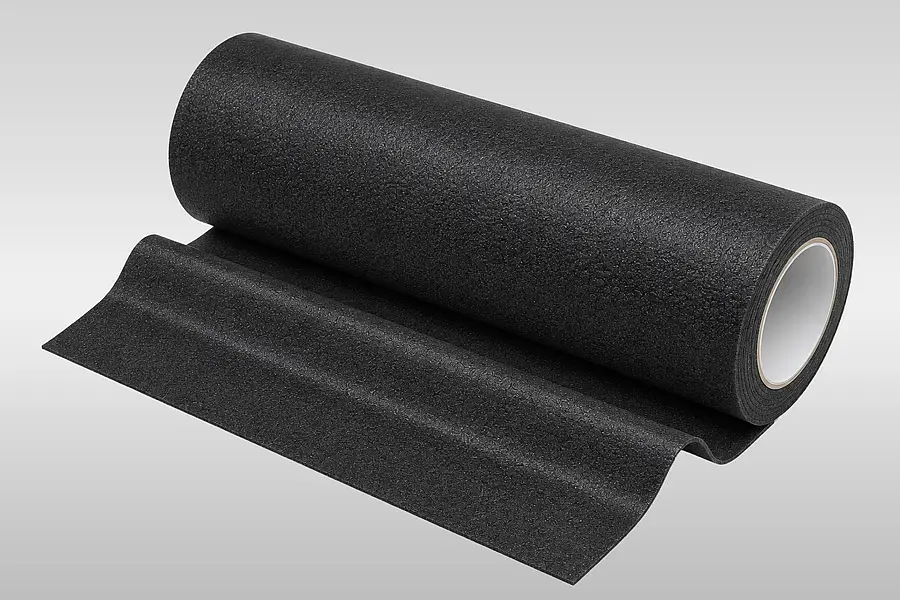
Foams
Foams can be cut, die cut or given an adhesive layer if the specific structure is suitable. Thickness, contour and intended function are important factors in choosing the process and delivery format. Foam processing →03
Selection criteria by material
How do you choose the material and manufacturing process?
Shape and dimensions guide the choice of process; the specific material structure also affects feasibility.
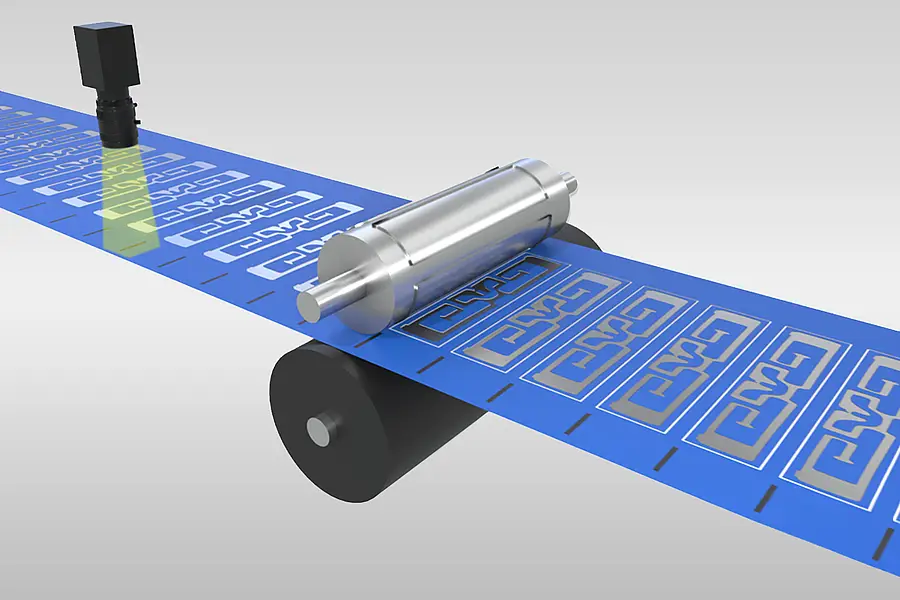
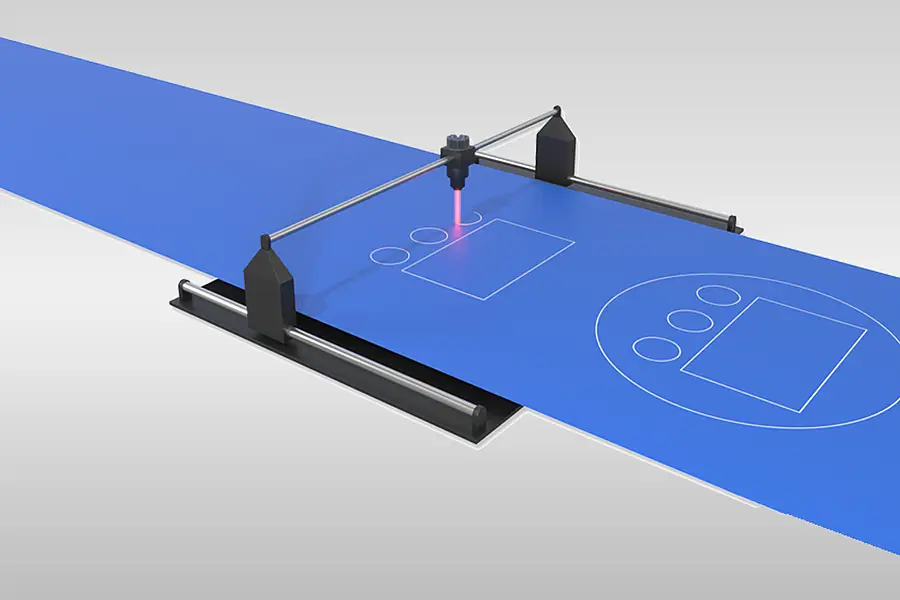
First describe the required end product: a narrow roll, a shaped part, a sheet or a multilayer composite. Geometry and dimensions then indicate possible processes. Cutting produces the required dimensions; die cutting or laser cutting creates contours; winding determines the roll or spool format.
We then assess the base material, backing or layer structure, core and handling in your process. Especially at the limits of possible dimensions, feasibility depends on the material and design. Different materials therefore do not have the same blanket manufacturing limits.
The later application also matters: if a die-cut part needs to be easy to pick up, a handling or removal aid may be relevant. For multilayer materials, it is necessary to define which layers should be joined, separated or retained as a liner.
04
Manufacturing processes for materials
Which process produces the required format?
The existing process pages help narrow down the shape, dimensions, structure and delivery format.
Die cutting
Laser cutting
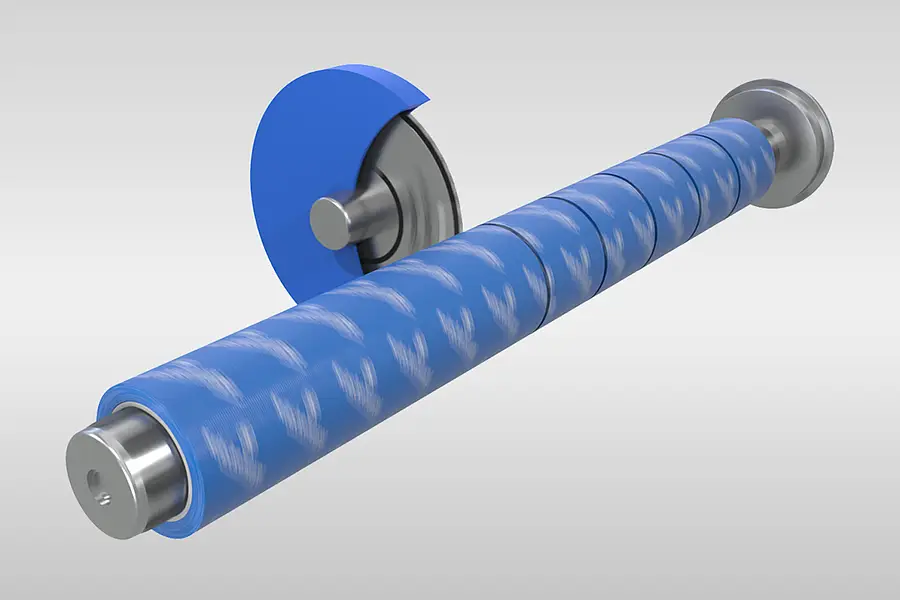
Slitting and cutting
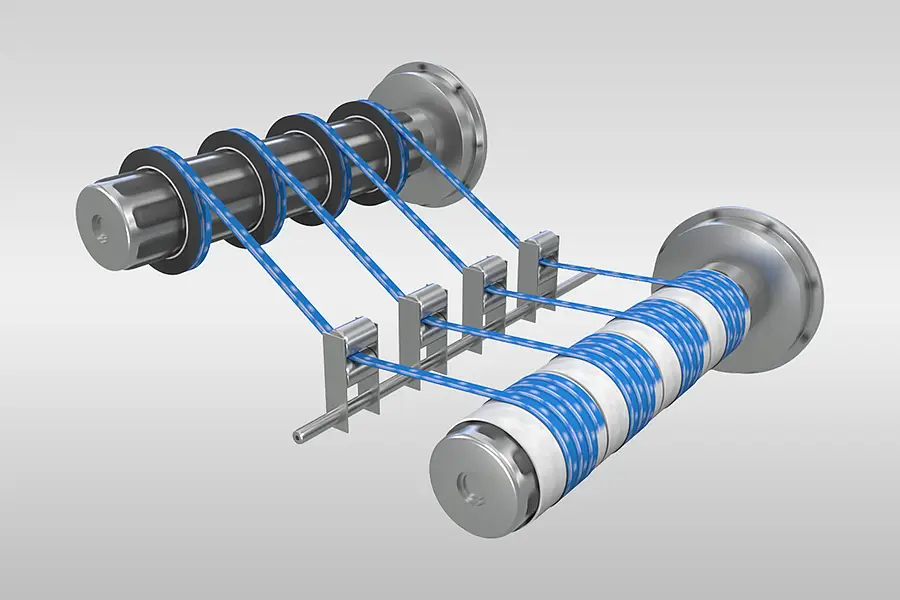
Spooling and rewinding
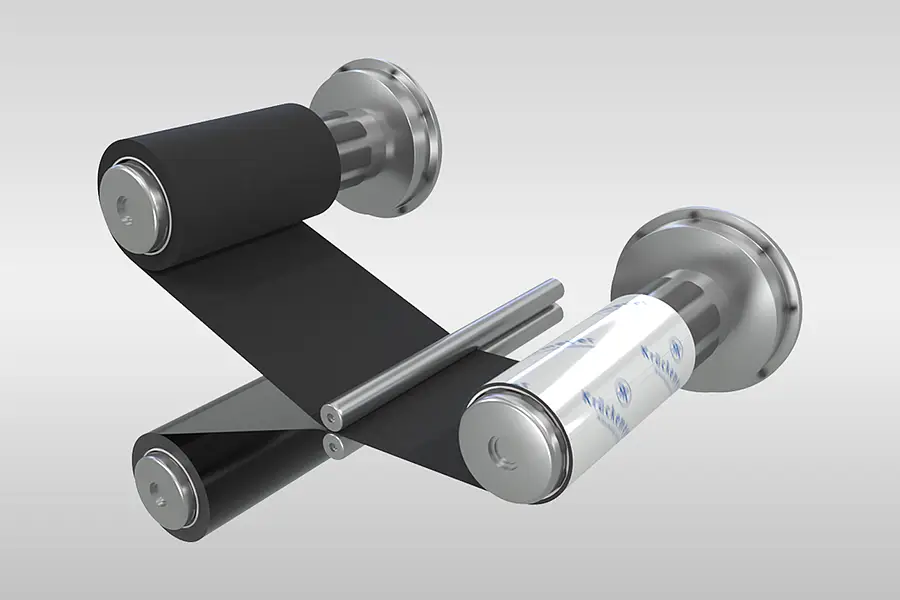
Laminating and adhesive coating
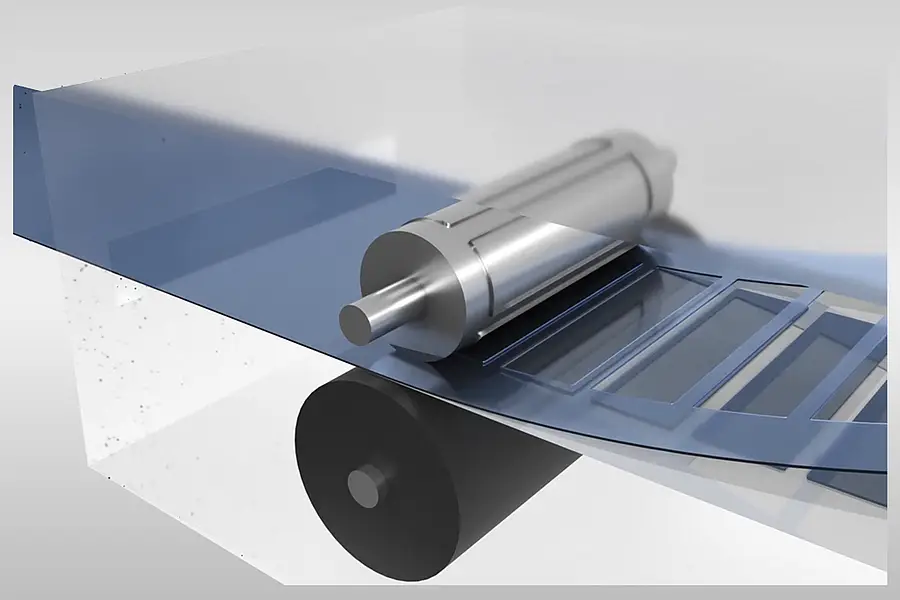
Technical cleanliness
Choosing the material and choosing the process are two routes to the same solution. If you already know the base material, start with the relevant material page. If you know the contour or delivery format you need, go straight to the process page. Both routes lead to clarification of the same application and are not separate manufacturing services.
Roll goods for further processing
For roll goods, width, running length, core and unwinding need to be clarified for processing and supply. The suitability of the chosen material combination is assessed too.
Shaped parts and sheet goods
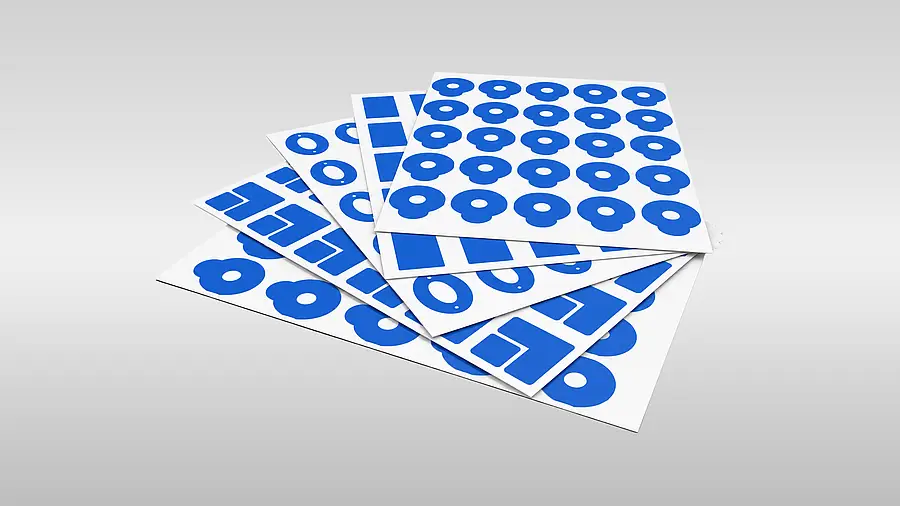
For shaped parts, the contour, any internal cut-outs and removal by the customer matter. Suitable parts can be supplied on sheets, on rolls or individually.
05
Material composites
When several layers need to work together
Film, adhesive tape and foam can be processed individually or in suitable composites.
Some applications require more than a single base material. Film and foam, for example, can be combined with an adhesive layer or given a self-adhesive finish. The structure is derived from the function, component and handling requirements.
For subsequent die cutting or laser cutting, it can be specified which layers are to be processed. The protective covering, or liner, is also part of the planning. The result can be supplied as a roll, sheet or individual part, provided the material and process are suitable.
Clarify the layer structure before production
Tell us the base material, intended adhesive side, covering and later application. This allows us to assess the composite before specifying the shape and delivery format.
- Laminating suitable materials
- Applying a self-adhesive finish to one or both sides
- Cutting, die cutting or laser cutting the agreed structure
- Supplying as a roll, sheet or individual part
06
Further questions about materials
Frequently asked questions about converting by material
Answers on material limitations, layer structures and requirements for the manufacturing environment.
Is laser cutting possible in a cleanroom?
No, laser cutting does not take place in a cleanroom. For suitable materials, cutting, die cutting, winding, laminating and converting are among the processes possible there. If an application requires both a laser-cut contour and technical cleanliness, the material, processing steps and environment must be agreed for the specific job. The cleanroom class describes the air environment; it does not automatically demonstrate the particle cleanliness of the finished part.
Can abrasives on backing be processed in a cleanroom?
No, abrasives on backing are not processed in a cleanroom. The cleanroom is intended for suitable films, adhesive tapes and foams, as well as composites made from them. The suitability of a new material is assessed in advance, including abrasion and particle emissions. Clean zones outside the cleanroom are used to prepare base material and are not an ISO 9 cleanroom environment.
Is PVC processed by laser cutting?
No, PVC is excluded from laser cutting. Laser compatibility must also be assessed individually for other materials. A material name or product group is not enough: structure, thickness, contour and the desired result must all be considered. Depending on the requirements, another existing process may be assessed for base material that cannot be laser cut.
Do material approvals remain valid automatically after converting?
No, the continued validity of manufacturer approvals, certifications or regulatory properties is clarified for each project. Converting changes dimensions, shapes or layer structures, but does not automatically create any material property. If an application requires specific evidence, the precise base material, planned processing and required approval should be assessed together before production.
What is the base material in a transfer adhesive film?
A transfer adhesive film is an adhesive layer without a backing of its own; it may be supplied as transfer adhesive tape. In converting, it is therefore a base material or part of a multilayer structure. A liquid adhesive, by contrast, is not a separate converting material category on this page. What matters is how the adhesive layer is to be processed with a covering, other materials and the later component.
07
Explore the manufacturing process
From material to the right shape
Once you have chosen your base material, the process overview shows how to narrow down the contour and delivery format. Start with the desired result.
Discuss your material and requirements
Describe the base material, component, required dimensions or shape and subsequent processing. Krückemeyer GmbH will work with you to assess the right converting process.

Advice on material converting
Thomas Klein
Contact for converting
Discuss the base material, required format and your processing workflow with Thomas Klein.