

CONVERTING IN AN ISO 9 CLEANROOM
Cleanroom production for adhesive tape and film solutions
Krückemeyer GmbH converts suitable adhesive tapes and technical films in an ISO Class 9 cleanroom. If particle control matters to your downstream bonding or assembly process, we coordinate the material, geometry, delivery format and inspection requirements with you.
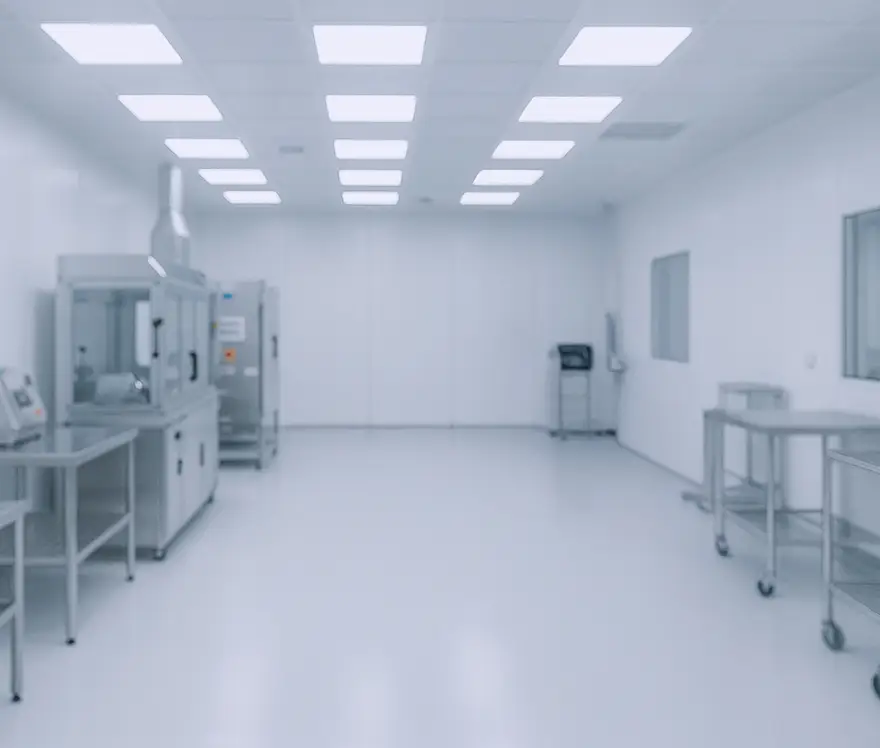
ISO 9
Cleanroom class
400 mm
Maximum material width
390 × 550 mm
Die-cut parts in the cleanroom up to
01
TECHNICAL CLEANLINESS
What cleanroom converting can do for your component
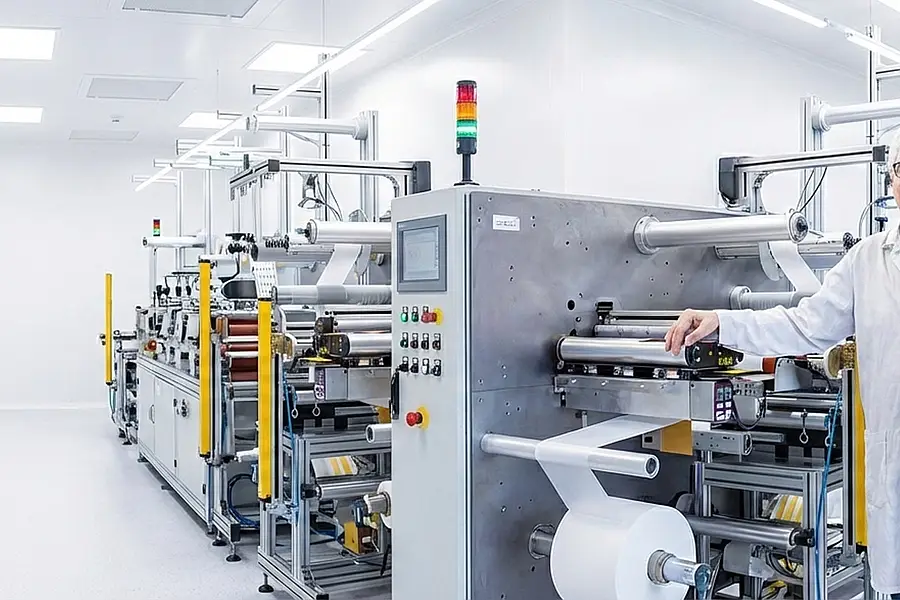
Cleanroom converting means processing suitable materials in a controlled ISO Class 9 production environment. The cleanroom does not itself shape the material: cutting, die cutting, laminating or rewinding produces the required format. The controlled environment helps limit particle ingress during these operations.
For optically clear adhesive films used in display bonding, technical films for electronic components and shaped double-sided adhesive tapes, the environment can be part of the process design. Together, we establish which material and component requirements need cleanroom processing and which steps take place before or afterwards.
ISO 9 describes the room air class. It does not guarantee a defined particle cleanliness level for the finished part. Product cleanliness, inspection and documentation requirements must be agreed for the specific project.
02
YOUR CLEANROOM PROJECT
Step 01
Clarify the application and input material
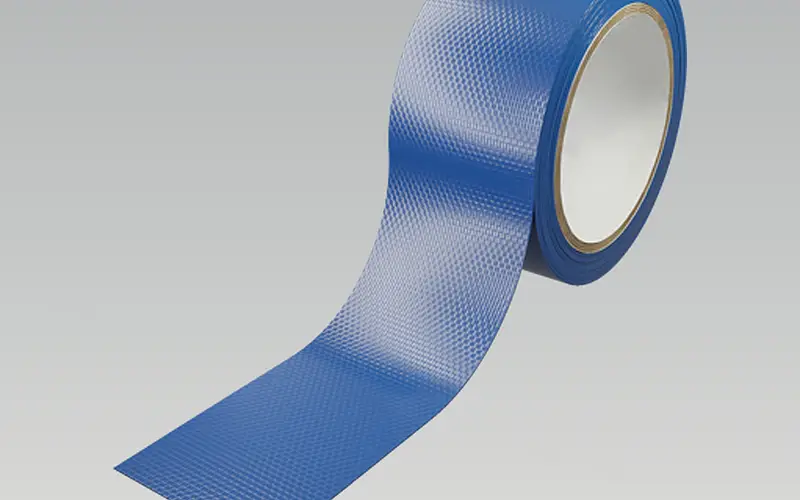
Tell us about the component, intended application, input material, desired shape and technical cleanliness requirements.
Step 02
Check feasibility and the process
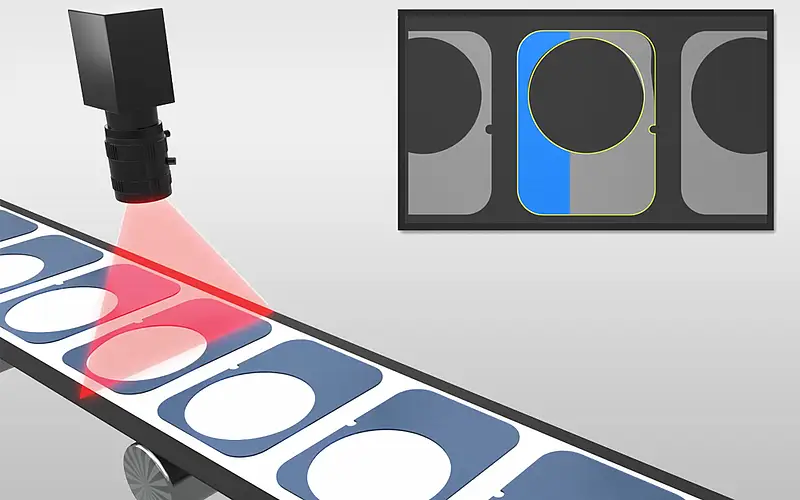
We assess material width, geometry, possible cleanroom processes and the required inspection and documentation.
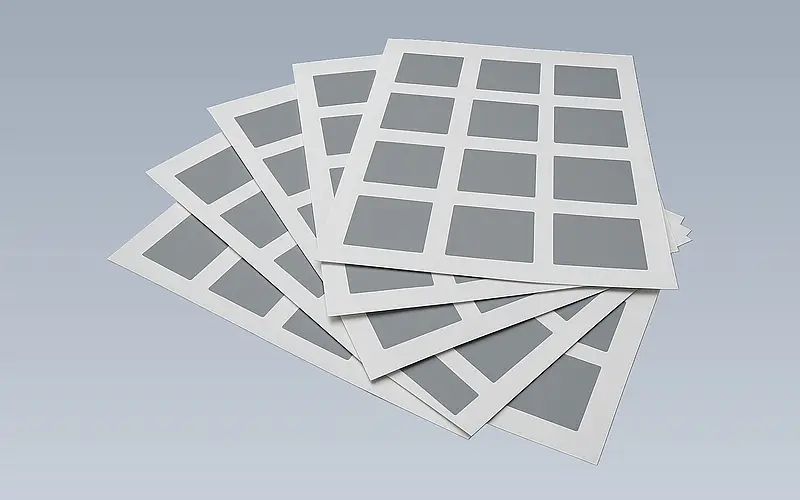
Step 03
Agree the format and sample
We agree the structure, liner, handling and delivery format. A trial run can be arranged if needed; you test the sample in your application.
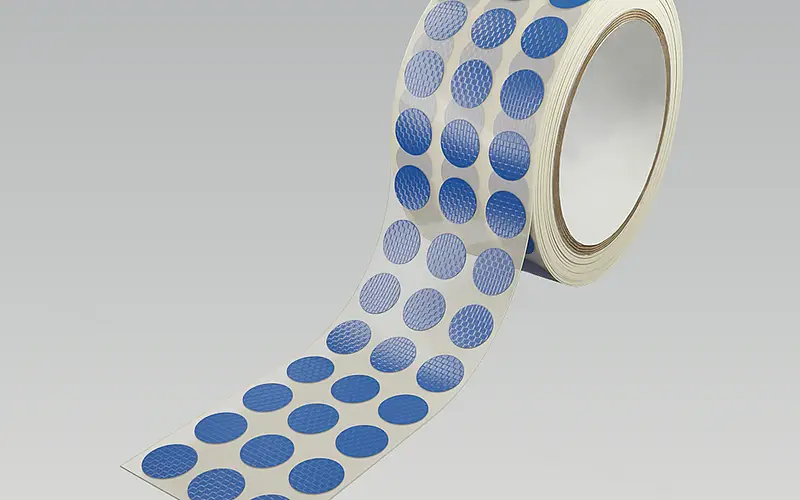
Step 04
Approval and production
After your approval, we produce the agreed format and inspect it against the agreed requirements.
03
CLEANROOM PROCESSING OPTIONS
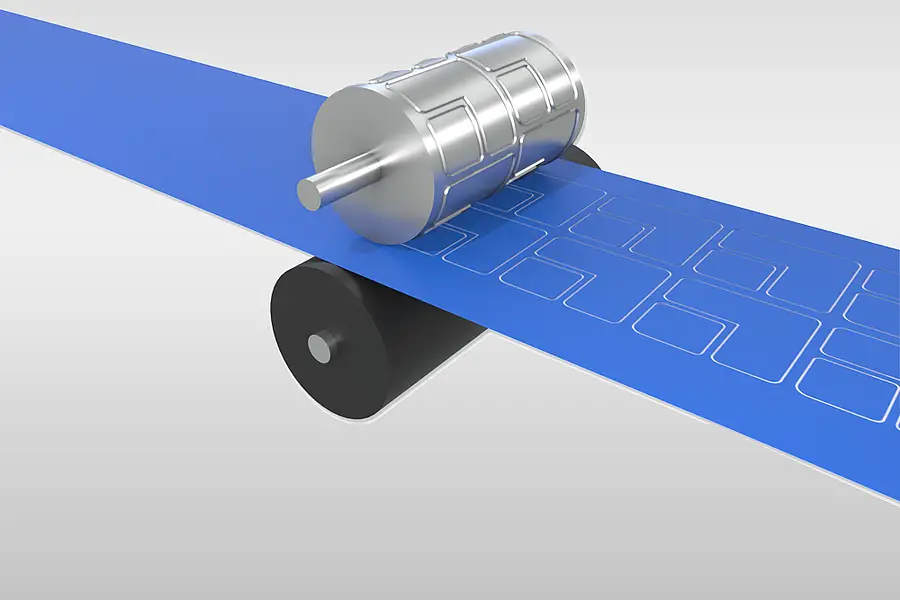
Die cutting and slitting
Suitable adhesive tapes and films are processed into defined dimensions and contours. Geometry and input material determine the process route. Explore rotary die cutting →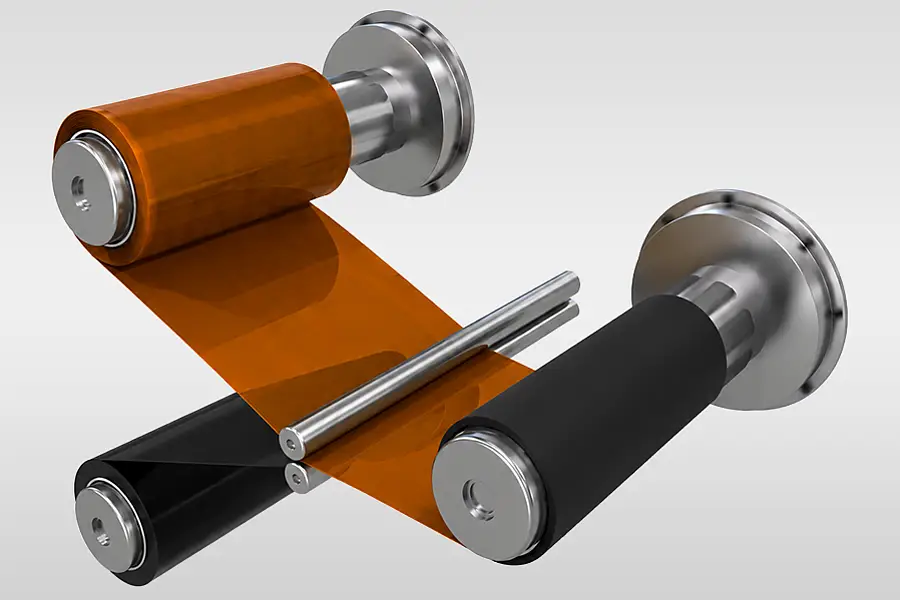
Laminating and combining layers
Suitable layers can be combined into a material structure for the application. We agree the material combination and subsequent processing with you. Explore film laminating →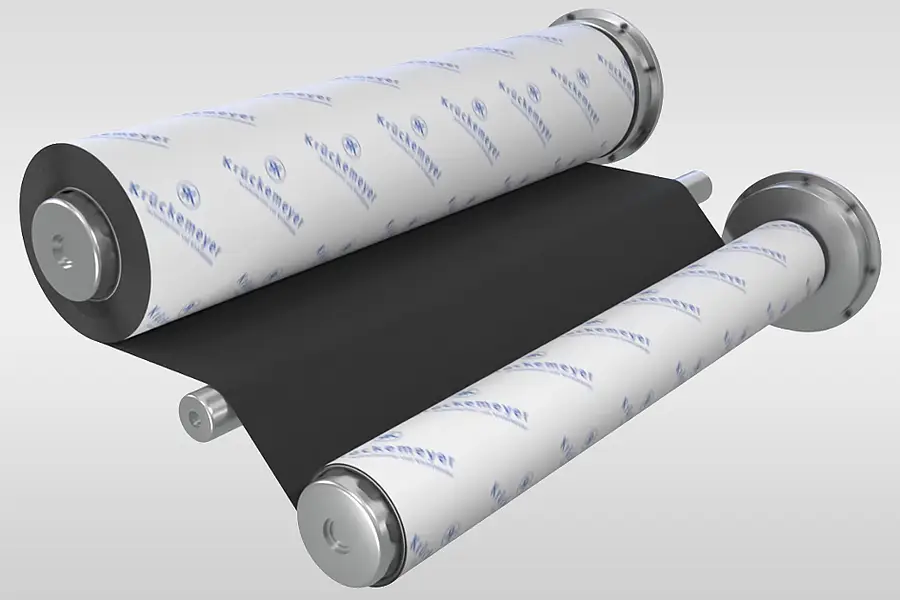
Winding and rewinding
For suitable roll materials, the delivery format can be tailored to handling in your process. Explore rewinding →04
POSSIBLE CONVERTED RESULTS
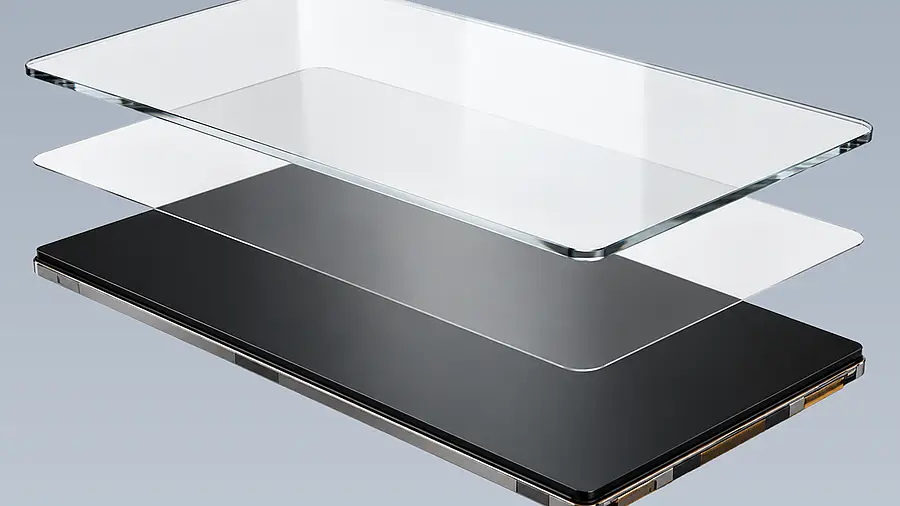
OCA films for displays
Optically clear adhesive film can be supplied to fit the intended display contour. Krückemeyer does not bond the display itself. Explore film die cutting →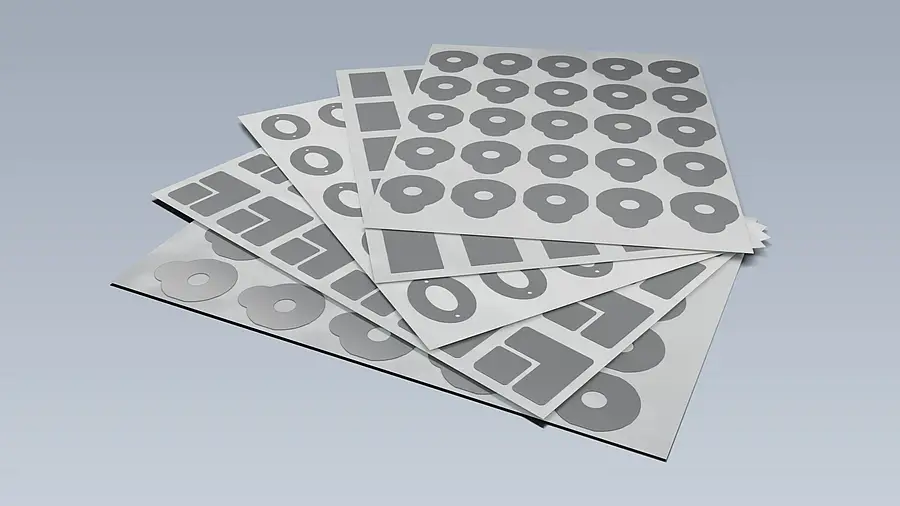
Die cuts from technical films
Fine film parts for insulating or shielding electronic components are produced to an agreed contour. Explore film die cutting →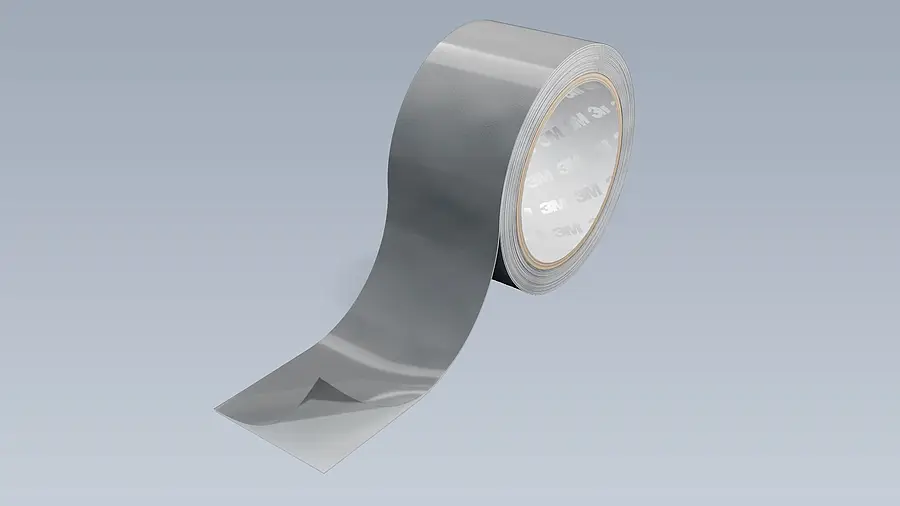
Shaped double-sided adhesive tape
Adhesive tape for structural joins can be supplied in a format agreed for the component and its processing. Explore adhesive tape die cutting →05
SUITABLE INPUT MATERIALS
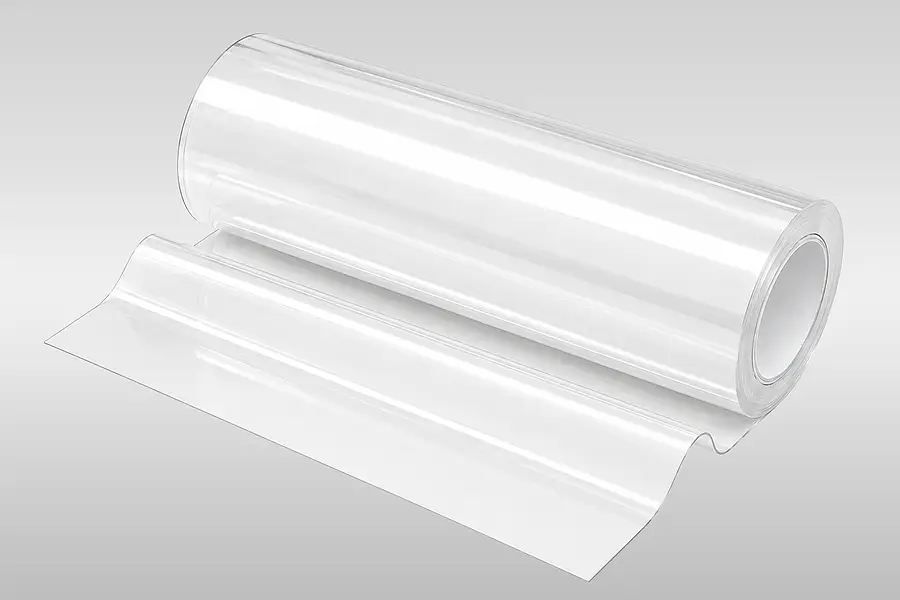
Optically clear adhesive films
OCA films are documented for display applications. The intended cut, liner handling and cleanliness requirements matter. Explore film converting →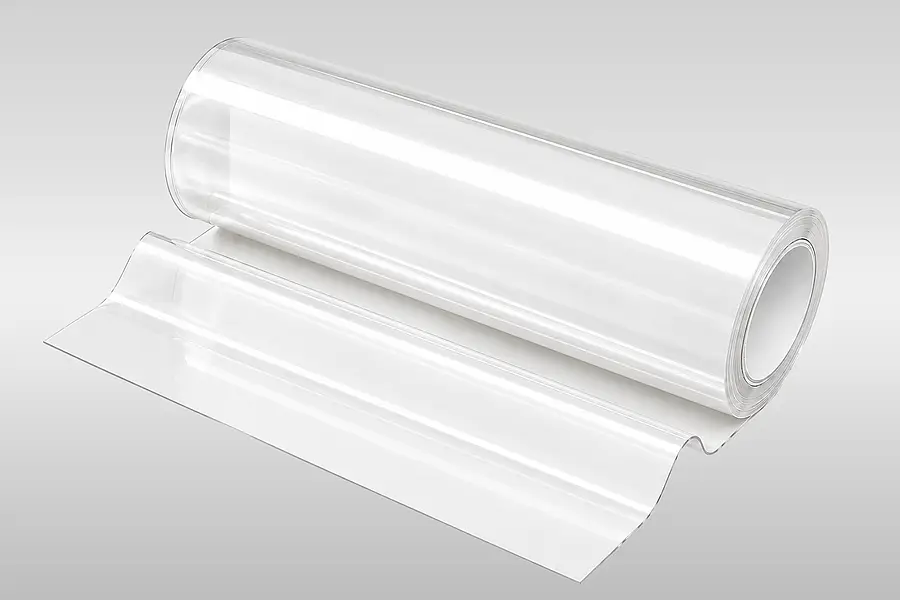
Technical films
Suitable technical films can be converted into die-cut parts for electronic components. We assess the material and required contour for each project. Explore film die cutting →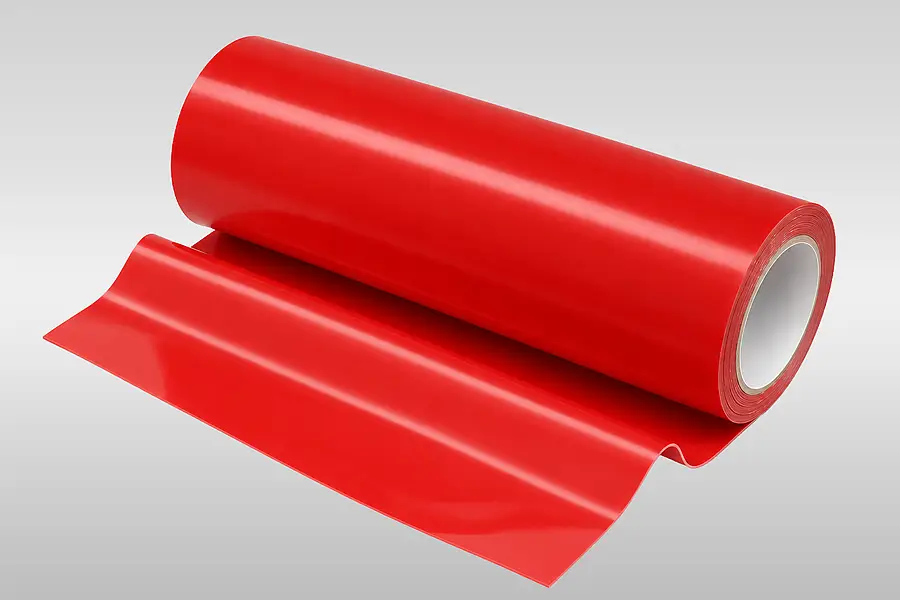
Double-sided adhesive tapes
Suitable tapes are converted into shaped bonding parts. Structure, carrier and liner must suit the application and delivery format. Explore adhesive tape die cutting →06
CLEANROOM PRODUCTION AND DELIVERY FORMATS
07
CLEANROOM DECISION GUIDE
| Question | Documented scope | Clarify for your enquiry |
|---|---|---|
| Which environment? | ISO Class 9 cleanroom | Specify room-air and product-cleanliness requirements separately |
| Which processing? | Die cutting, slitting, laminating, combining layers, winding and rewinding are possible; laser cutti | Assess the process route for the material and contour |
| Which dimensions? | Material width up to 400 mm; die-cut parts up to 390 × 550 mm | Assess component geometry, material structure and delivery format |
| Which inspection? | Optical metrology and CPK analysis by agreement | Agree measurement features, sampling and documentation |
Check material and geometry for each project
08
WHAT TO INCLUDE IN YOUR ENQUIRY
Describe the application, the required component and why cleanroom processing is needed. Specify the input material or intended material structure, the contour and dimensions, the planned quantity and the delivery format.
A drawing or sample, information on the liner and application process, and your requirements for technical cleanliness, measurement and documentation are helpful. If you need a specific cleanliness assessment for the finished part, state this explicitly: the room class alone does not establish it.
09
CLEANROOM CONVERTING FAQ
Which materials can be converted in the cleanroom?
Suitable adhesive tapes, optically clear adhesive films and technical films are documented. Foam parts may also be possible after we assess the material and intended processing. The input material, geometry, dimensions and delivery format determine the route. Together, we establish which steps take place under cleanroom conditions and which requirements for the finished part need separate evidence.
Is a cleanroom-produced die cut automatically particle-free?
No. ISO Class 9 describes the controlled air in the cleanroom; it does not establish a specified particle cleanliness level for the finished part. If your component needs a defined cleanliness level, measurement methods, limits, sampling and documentation must be agreed for the project. Tell us about this requirement in your initial enquiry so that production and inspection can be planned accordingly.
Can Krückemeyer laser-cut films in the cleanroom?
No. Krückemeyer does not carry out laser cutting in the cleanroom. Cutting, die cutting, laminating, combining layers and winding suitable materials are among the available cleanroom processes. We assess which route suits your contour and material. A part cut outside the cleanroom should not be described as a cleanroom product solely because of its shape.
How are dimensions and inspection features agreed?
We agree dimensions, contour, material structure and delivery format using your drawing or sample. A material width of up to 400 mm and die-cut parts up to 390 × 550 mm are documented for the cleanroom; actual feasibility depends on the material and format. Optical measurements, inspection plans and CPK analyses are agreed when needed rather than included as a standard service.
Enquire about cleanroom converting
Send us the application, material and drawing. We will assess the converting route and agree cleanliness and inspection requirements with you.

CLEANROOM CONVERTING ADVICE
Thomas Klein
Contact for converting
Discuss material choice, the required contour and technical cleanliness requirements with Thomas Klein.