

BACKED ABRASIVES
Abrasive converting
Sandpaper, abrasive cloth, nonwoven abrasives or film-backed abrasives need to suit your machine and sanding task. We convert suitable base material into rolls, abrasive belts and shaped parts and assess dimensions, design and application together.
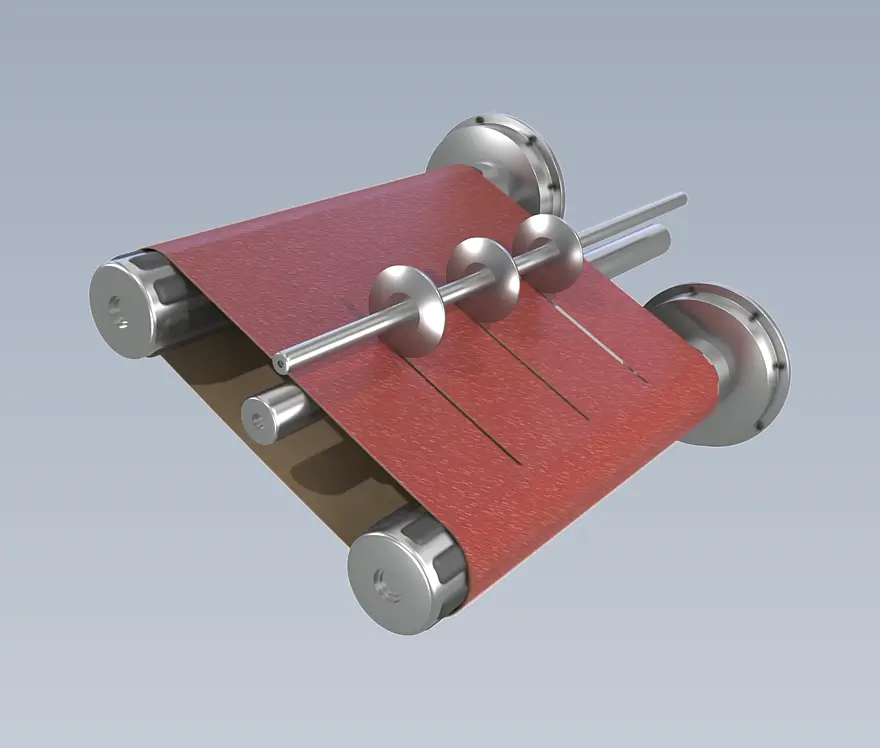
25–1,650 mm
Roll width – depending on design
6–610 mm
Abrasive belt width – depending on design
283–16,500 mm
Abrasive belt length – depending on design
01
ABRASIVE CONVERTING
From base material to the right supply format
In abrasive converting, suitable backed abrasives are processed further for the intended application. The base material may be sandpaper, abrasive cloth, nonwoven abrasives or film-backed abrasives. The desired form is the result of processing: for example, a roll, an abrasive belt, a sanding sheet, a strip or a disc.
The choice depends on the workpiece and desired finish as well as the machine, geometry, grit, backing and handling. Rolls are cut and wound; the width, length and joint are agreed for belts. Suitable material can be die-cut, cut or, in individual cases, laser-cut. A self-adhesive or hook-and-loop backing may also be an option if required.
We assess which combination works and whether your required dimensions can be produced on the basis of your base material and the specific design.
02
FROM REQUIREMENT TO ABRASIVE
Step 01
Describe the application
Tell us about the workpiece, sanding task, machine and desired shape. Existing samples or drawings show the starting point.
Step 02
Assess base material and dimensions
We match the backing, grit, geometry and dimensions to a suitable manufacturing process. Limits are assessed for the specific design.
Step 03
Agree the design
The roll, belt or shaped part and, where applicable, self-adhesive or hook-and-loop backing are specified. We agree samples and the scope of testing where needed.
Step 04
Convert and supply
The agreed abrasive is produced in the specified design. For abrasive belts, tensile strength is tested on samples from each batch.
03
PROCESSING BY TARGET FORM
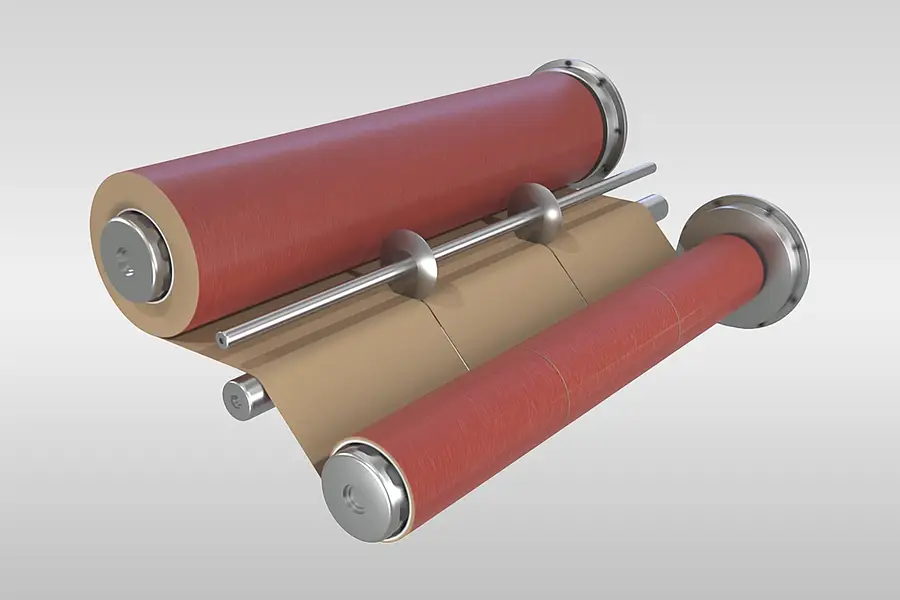
Cut rolls and belts
Backed abrasives are cut to the required width. For belts, the length and joint are also matched to the machine. Cut abrasive belts to size →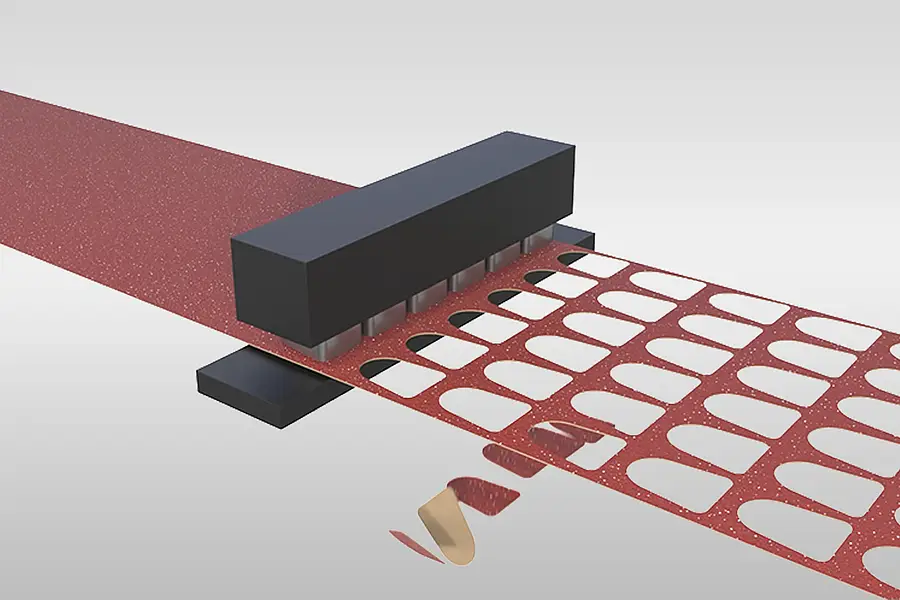
Die-cut abrasives
Suitable base material is processed into contoured abrasive parts. The shape and any internal cut-outs are assessed from the drawing. Die-cut abrasives →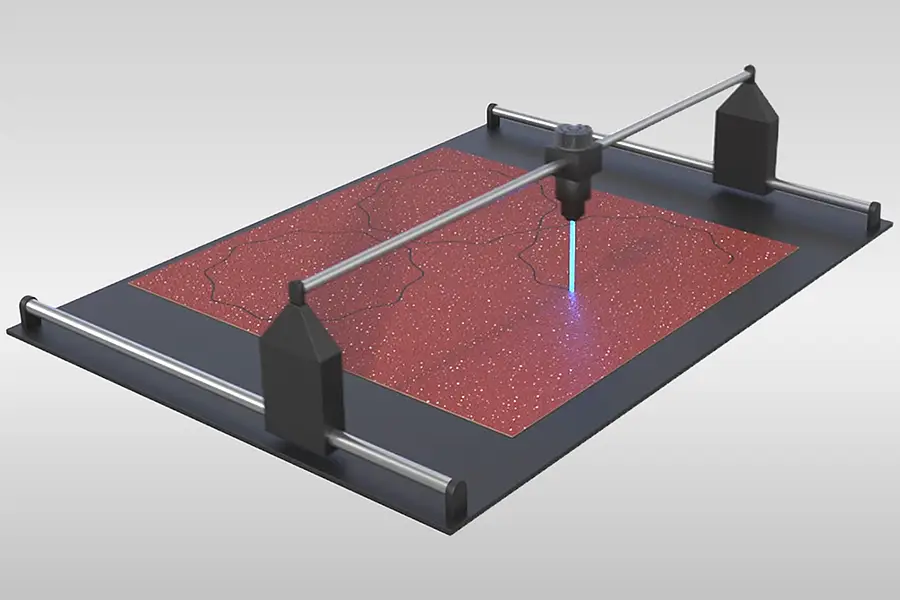
Laser-cut suitable base material
Laser cutting may be suitable for coated abrasives that can, in principle, be laser-cut. Material suitability must be assessed before production.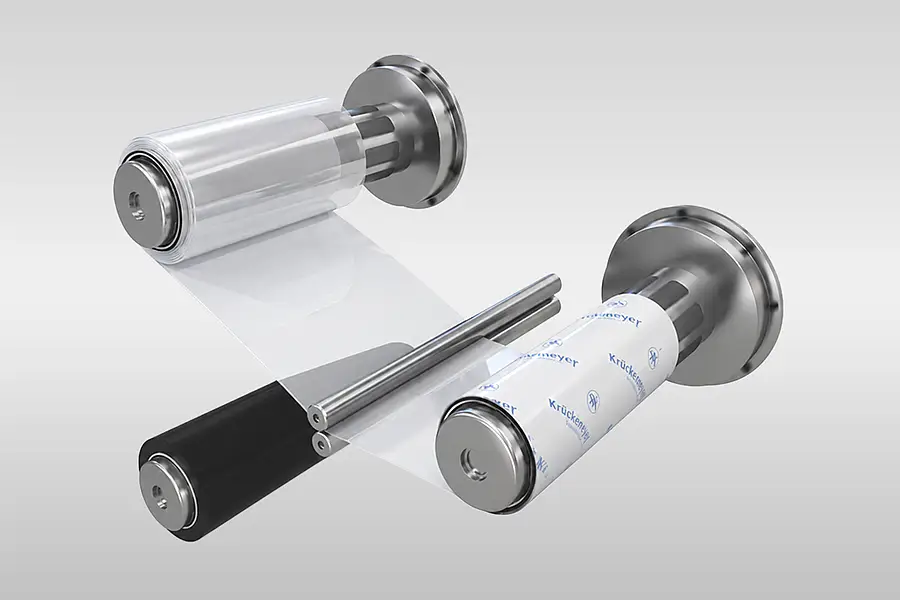
Add self-adhesive or hook-and-loop backing
A full-surface adhesive tape backing or a hook-and-loop material selected for the project can support attachment of the abrasive part.04
POSSIBLE SUPPLY FORMATS
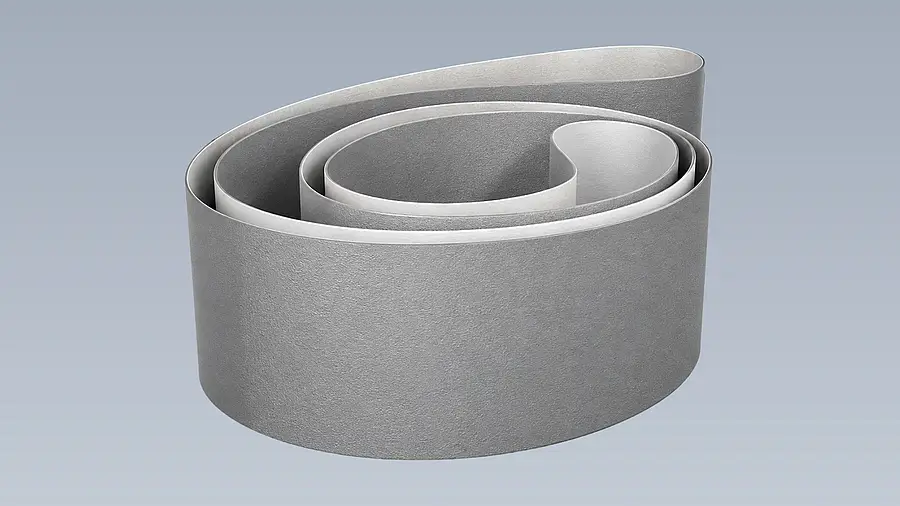
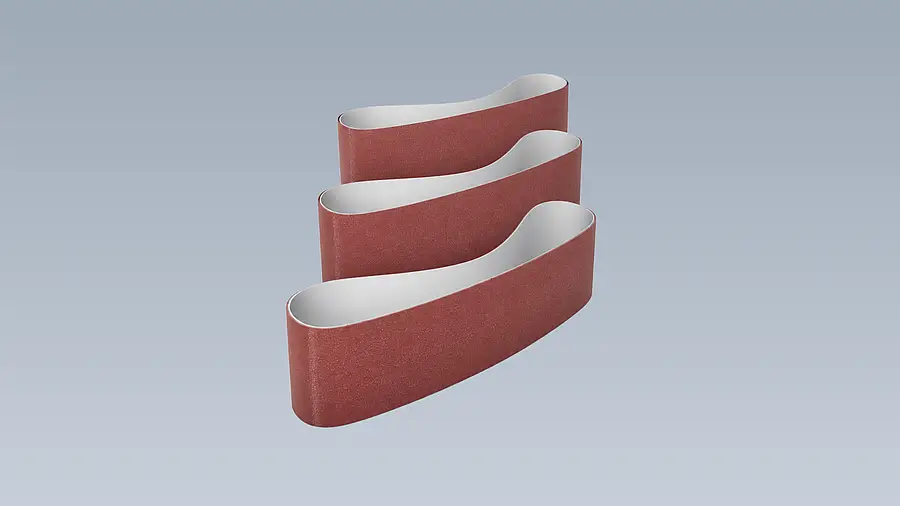
Abrasive belts
The material is supplied as a file belt, long belt or wide belt in the agreed width and length, with a suitable belt joint. Explore belt converting →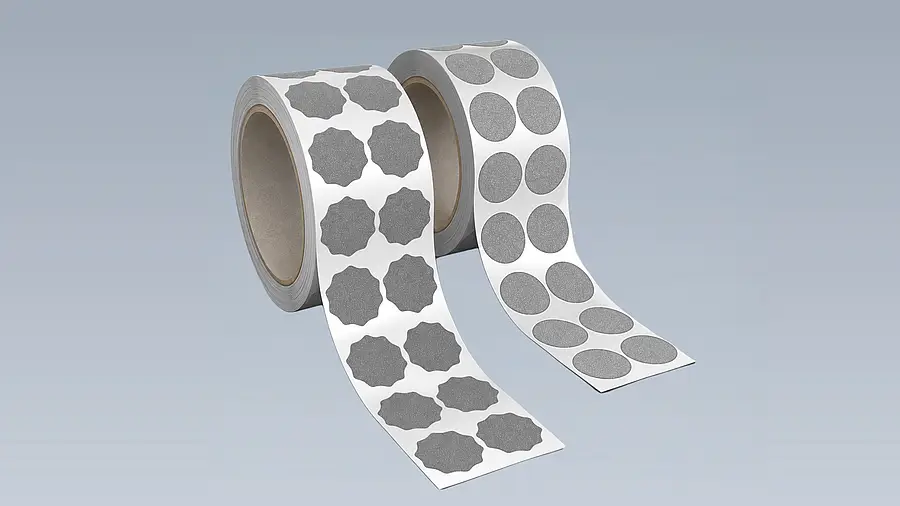
Abrasive discs and sanding flowers
Suitable backed abrasives are made into contoured abrasive parts; dimensions and any hole patterns depend on the application. Explore die-cut abrasive parts →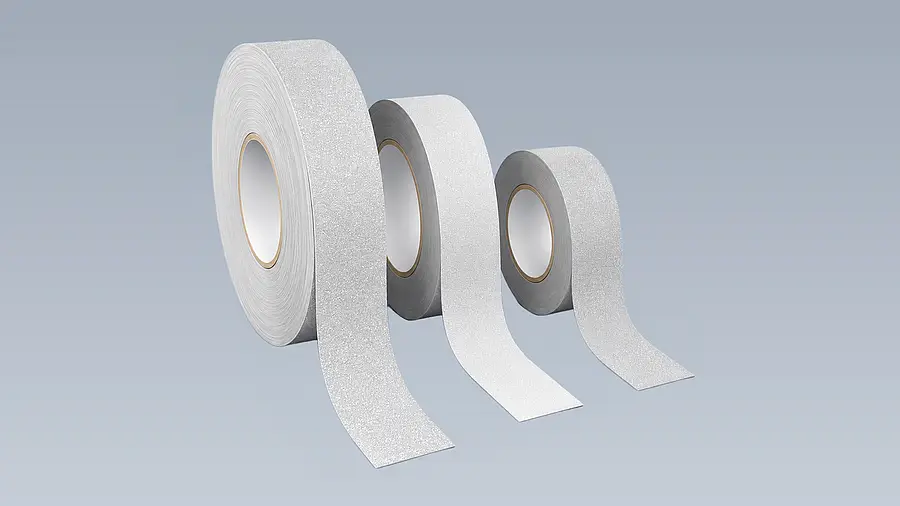
Abrasive rolls and strips
Roll material can be cut to the required width; strips are produced from suitable material in a form that is easy to handle. Cut abrasive rolls to size →05
SUITABLE BASE MATERIALS
Sandpaper
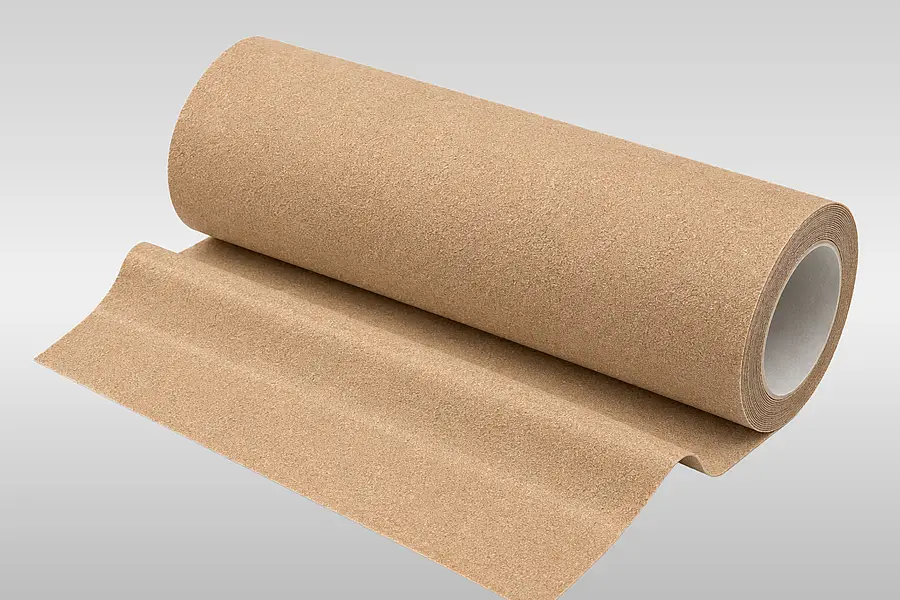
Paper carries the abrasive grain and is available as base material for rolls, sheets and other suitable shapes. The suitability of the specific paper is assessed. Explore abrasive belt cutting →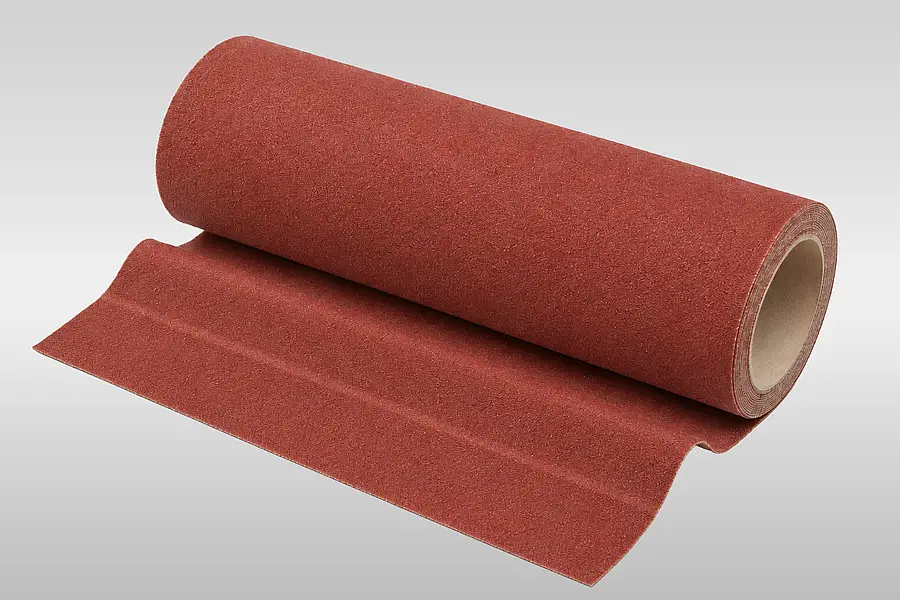
Abrasive cloth
Cloth backings may be suitable for abrasive belts and other application-specific supply formats. Flexibility and load are selection criteria. Explore abrasive belt cutting →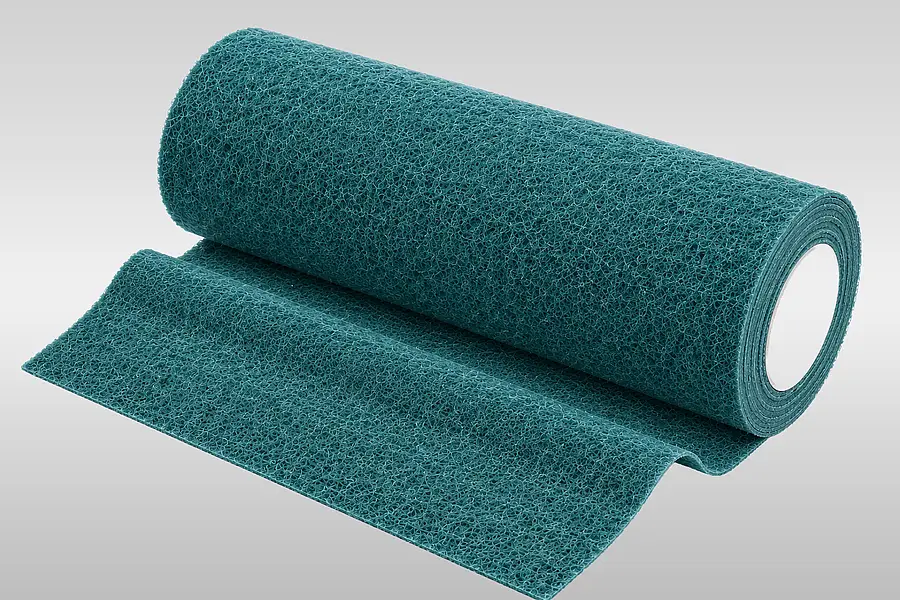
Nonwoven abrasives
Nonwoven material is one of the backed abrasives that can be processed and can, for example, be converted into nonwoven belts. Explore abrasive belt cutting →06
ABRASIVES IN PRODUCTION
07
WHICH PROCESS IS SUITABLE?
| Process | Possible result | Information needed for the decision |
|---|---|---|
| Roll slitting | Abrasive rolls | Width, running length, core and winding direction |
| Abrasive belt production | Endless abrasive belts | Width, length, backing and belt joint |
| Die cutting | Abrasive discs, sheets or other shaped parts | Contour, hole pattern and desired attachment |
| Laser cutting | Contoured parts from suitable base material | Material suitability, geometry and dimensions |
| Adding a backing | Self-adhesive abrasive parts | Application, backing and attachment |
Suitability and design are assessed for each project.
08
DETAILS FOR YOUR CONVERTING ENQUIRY
Tell us which backed abrasive you have or need, including the backing, abrasive grain type and grit. Describe the workpiece, processing step, desired finish and the machine or handling method used. A drawing, sample or existing dimensions help us narrow down the shape and supply format.
For rolls, we particularly need the required width, running length, core and winding direction. For abrasive belts, width, length and requirements for the joint are important. For shaped parts, specify the contour, any hole pattern and the desired attachment, such as self-adhesive or hook-and-loop. Please also tell us whether you would like to arrange samples or specific test documentation.
09
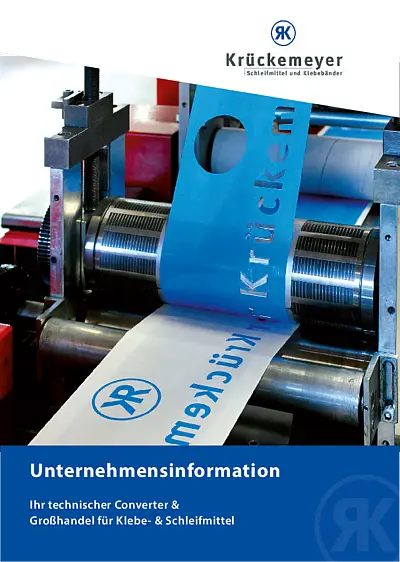
COMPANY DOCUMENT
10
QUESTIONS ABOUT ABRASIVE CONVERTING
Which abrasives can be converted?
Suitable backed abrasives are processed, particularly sandpaper, abrasive cloth, nonwoven abrasives and film-backed abrasives. Depending on the base material and application, these can become rolls, belts, strips or shaped parts. The material group alone does not constitute production approval: the backing, grit, geometry, dimensions and desired design must be compatible. Please therefore send us the most precise material details possible or a sample and describe how the finished part will be used.
What details are important for a custom abrasive belt?
For an abrasive belt, we need its width and length, information about the machine, and details of the workpiece and sanding task. The base material, backing, grit and requirements for the belt joint are also relevant. Our production range covers widths of 6–610 mm and lengths of 283–16,500 mm; these limits cannot be combined arbitrarily. We assess the specific design and agree the joint with you.
When is laser cutting an option for abrasives?
Laser cutting is a possible process for backed abrasives that can, in principle, be laser-cut. Suitability depends on the specific material and the desired contour. Finished abrasive tools are not laser-cut. If an additional textile hook-and-loop backing is used, its sensitivity to heat must be assessed for the individual case. A drawing and information about the material construction help compare this process with cutting or die cutting.
Can an abrasive part be given a self-adhesive or hook-and-loop backing?
Yes, suitable backed abrasives can be given a full-surface double-sided adhesive tape backing or a project-specific hook-and-loop backing. The adhesive tape is selected to suit the application; the specific design of the hook-and-loop backing must be agreed. Subsequent cutting or die cutting is possible in principle. We assess which combination and attachment makes sense for your process based on the backing, component and handling.
Have abrasives converted to suit your needs
Send us details of your material, target dimensions and application. We assess the suitable processing method and agree the result with you.

ABRASIVE TECHNOLOGY ADVICE
Jürgen Müller
Contact for converting
Jürgen Müller will discuss the base material, machine and desired supply format for your sanding task with you.