

DIE-CUTTING COATED ABRASIVES
Die-cut coated abrasives – shaped parts from coated abrasives
We die-cut suitable coated abrasives into shaped parts for your application. We match the contour, backing, attachment and delivery format to your workpiece and sanding process.
01
DIE-CUT ABRASIVE PARTS
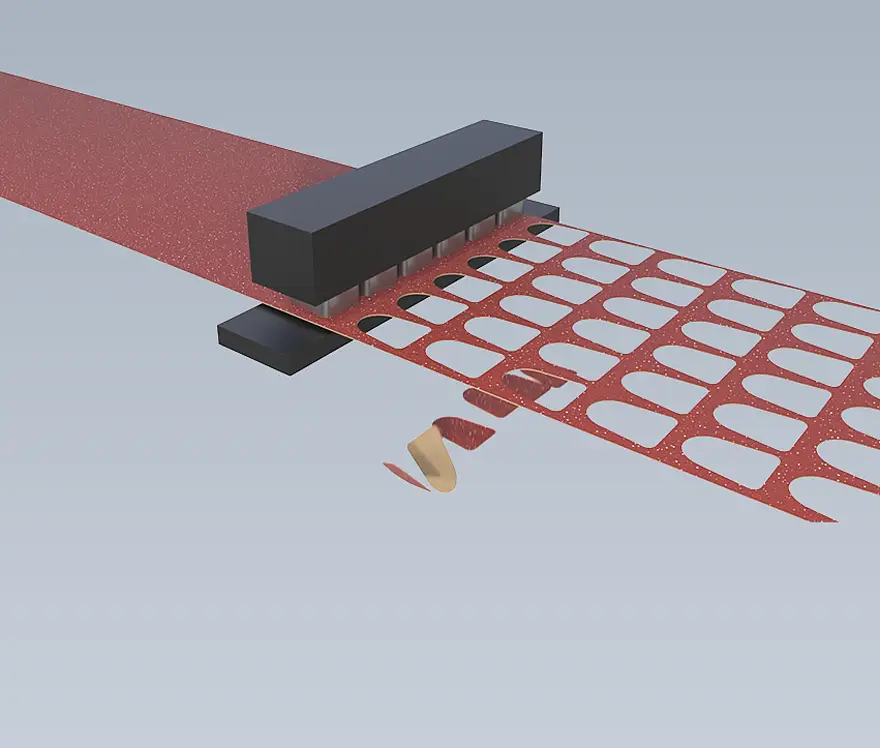
Coated abrasives cut to the required contour
We die-cut suitable coated abrasives to the agreed contour. This produces shaped parts for the intended area of work and handling method. For abrasive paper, abrasive cloth and film-backed abrasives, we check whether the specific construction suits your geometry.
Shape alone does not determine the result in use. Grit and backing, along with any self-adhesive or hook-and-loop attachment, must suit the workpiece and the way the part is mounted in the process. Internal cut-outs may also be possible, depending on the material and contour. We work with you to establish which contour and attachment can be produced from the selected material.
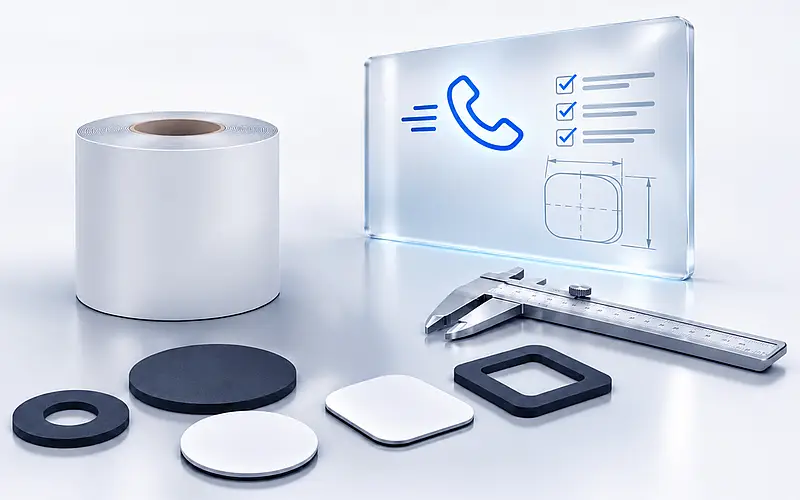
The result may be an abrasive flower, a sanding disc or an abrasive strip, for example. Die-cut parts on rolls or sheets require a self-adhesive backing; without it, we produce individual parts. Abrasive processing does not take place in a cleanroom.
02
FROM SANDING TASK TO DIE-CUT PART
Step 01
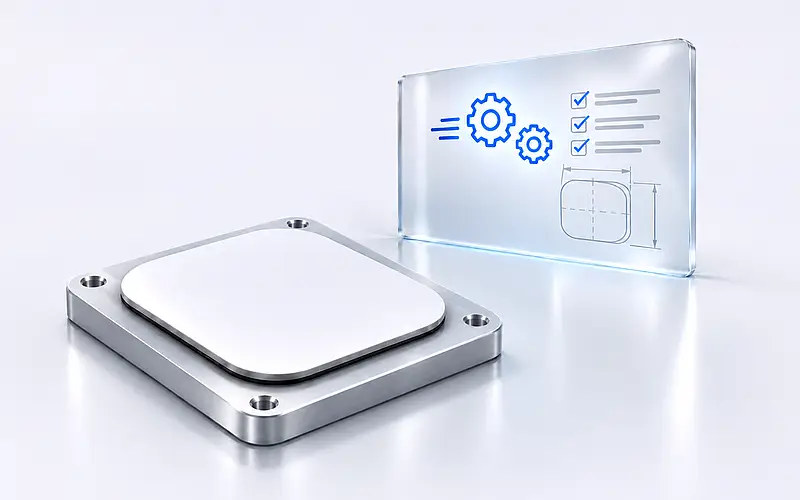
Clarify the application and mounting method
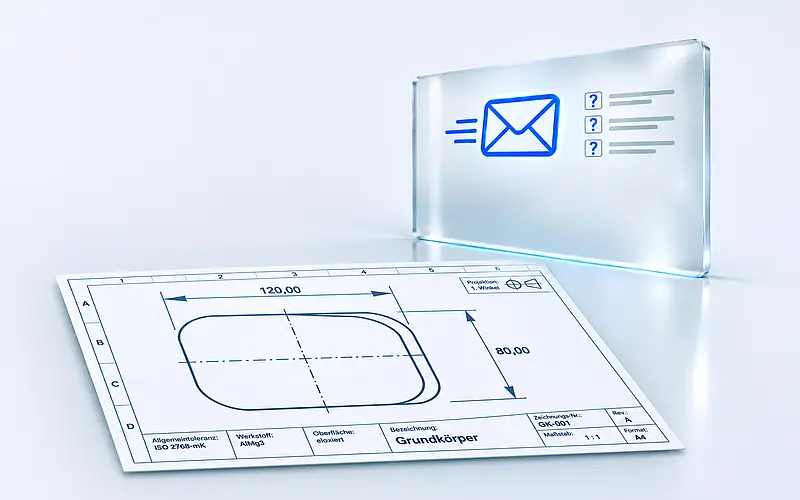
Describe the workpiece, sanding task, required contour and how the shaped part will be mounted. A drawing or sample makes the assessment easier.
Step 02
Check the starting material and construction
We check the suitable coated abrasive and match the grit, backing and any self-adhesive or hook-and-loop attachment to the application.
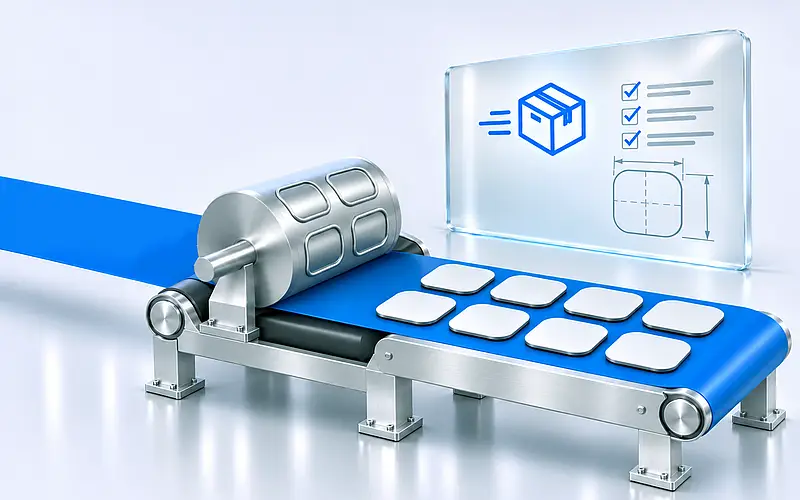
Step 03
Agree the contour and delivery format
We agree the outer contour, any internal cut-outs and the type of cut. We produce parts on rolls or sheets only with a self-adhesive backing; otherwise, we produce individual parts.
Step 04
Check the sample and produce
If needed, we agree on a trial run. Once you have checked the sample and construction, the agreed production follows.
03
DIE-CUTTING METHODS AND CONSTRUCTIONS
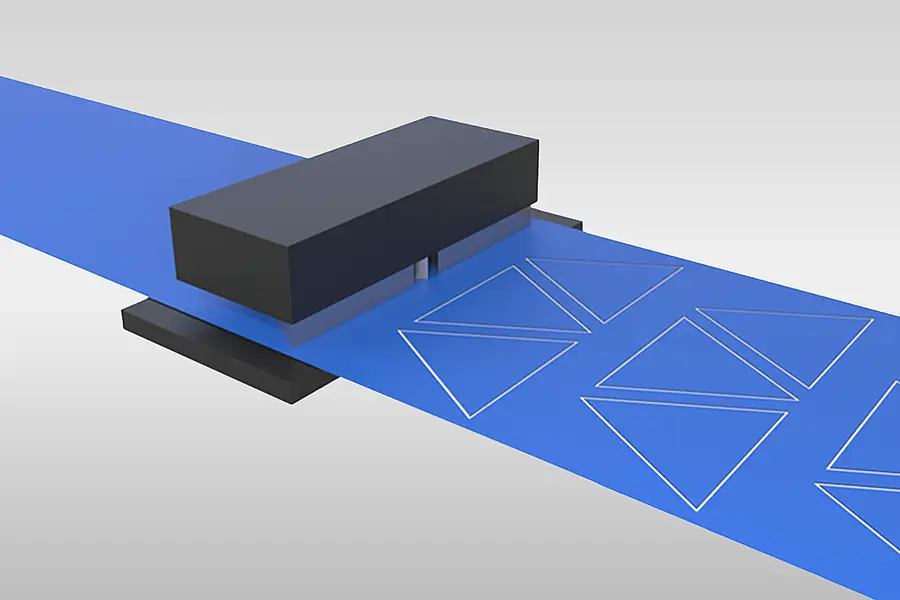
Through-cutting
The specified layers are cut through completely. Full separation produces individual parts; we clarify the backing and delivery format for the project. Explore flatbed die-cutting →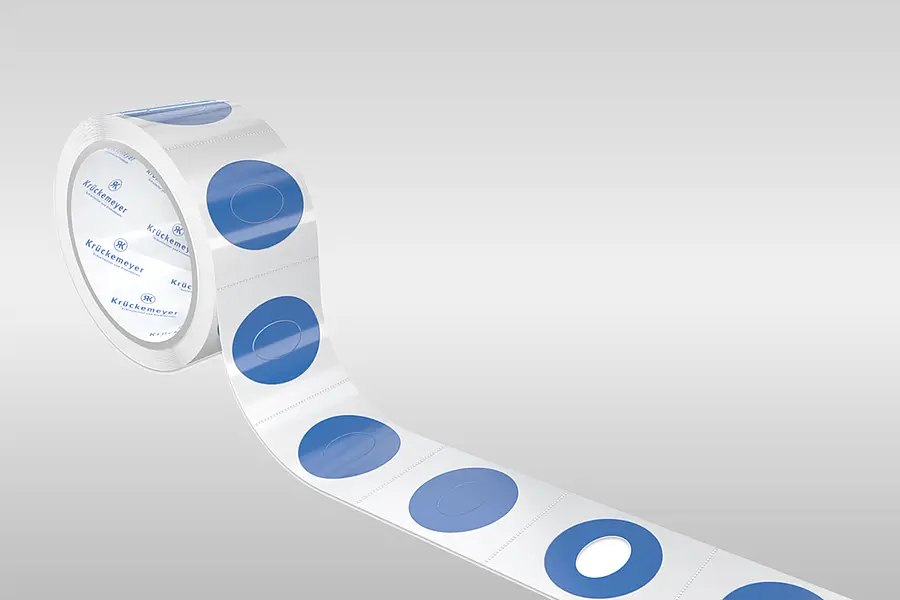
Layer-by-layer die-cutting
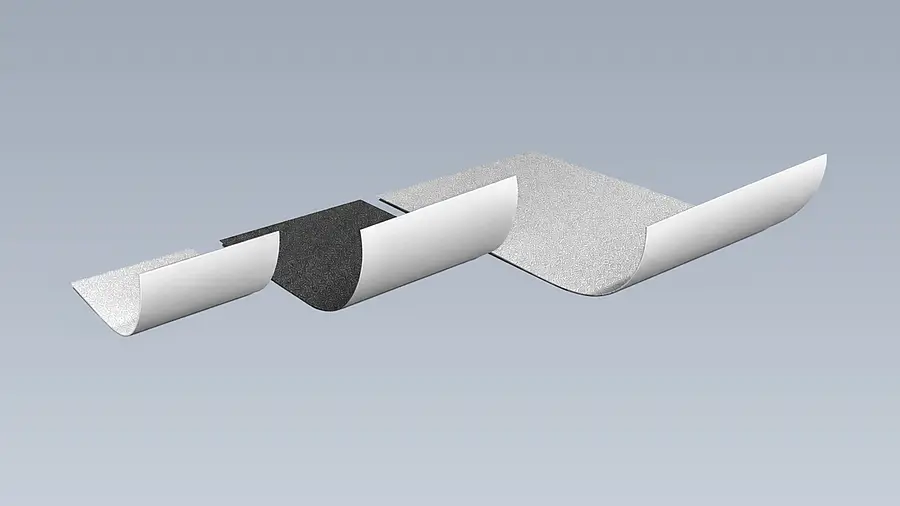
With a multilayer construction, the separation of individual layers, including the liner, can be agreed. The specific cut depends on the construction. Explore kiss-cutting →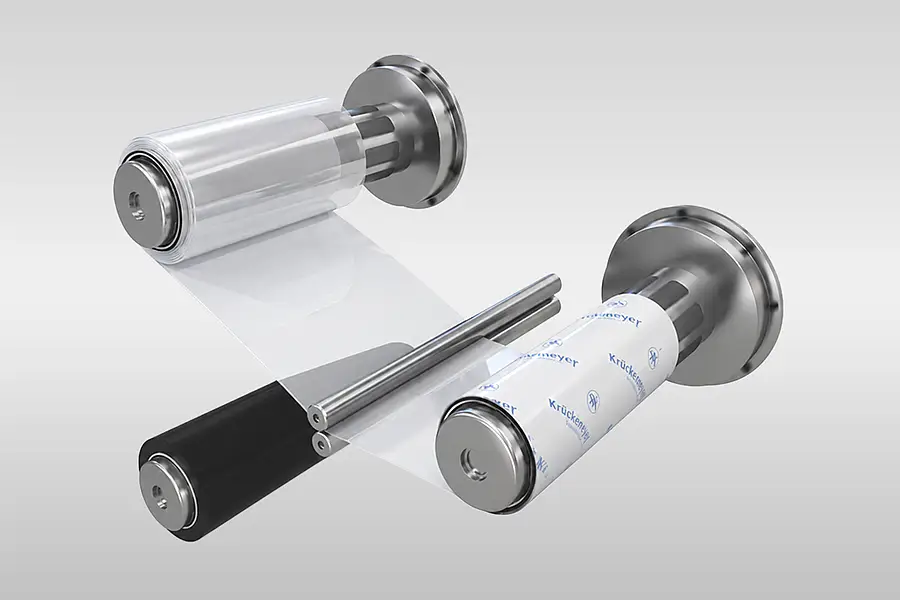
Self-adhesive or hook-and-loop
We can equip suitable coated abrasives with a self-adhesive or project-specific hook-and-loop attachment before die-cutting. Die-cut parts on rolls or sheets are only possible with a self-adhesive backing.04
POSSIBLE ABRASIVE SHAPES
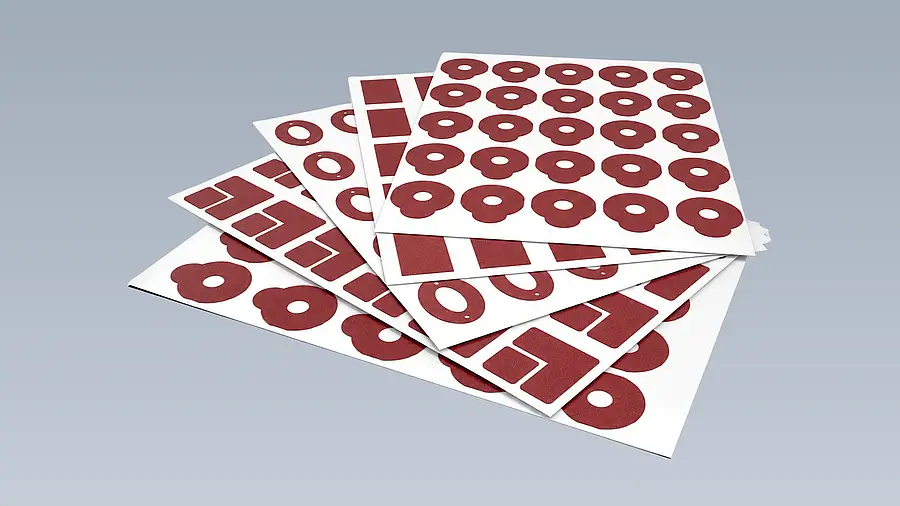
Abrasive flowers
Small die-cut shapes for targeted sanding. Their contour and attachment depend on the intended mount. Explore abrasive converting →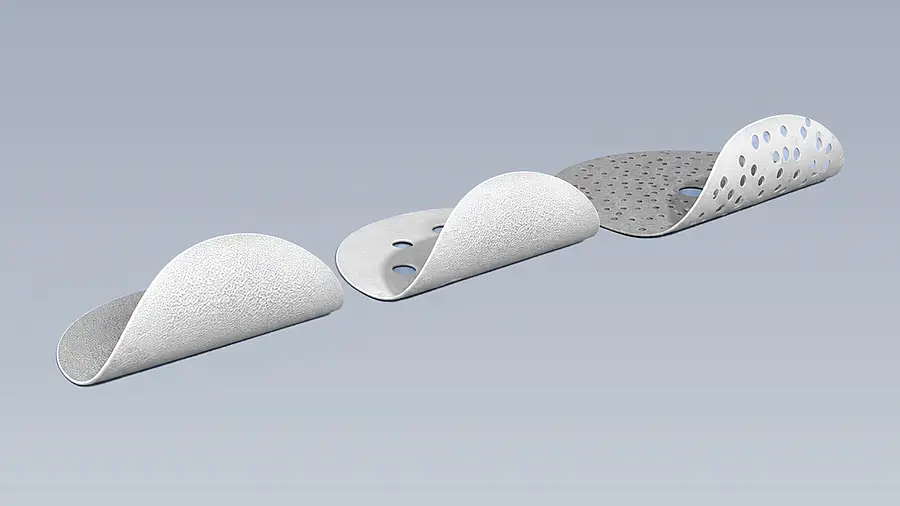
Sanding discs
Round abrasive shapes with an agreed contour and possible internal cut-outs. The suitable attachment is specified for the application. Explore abrasive converting →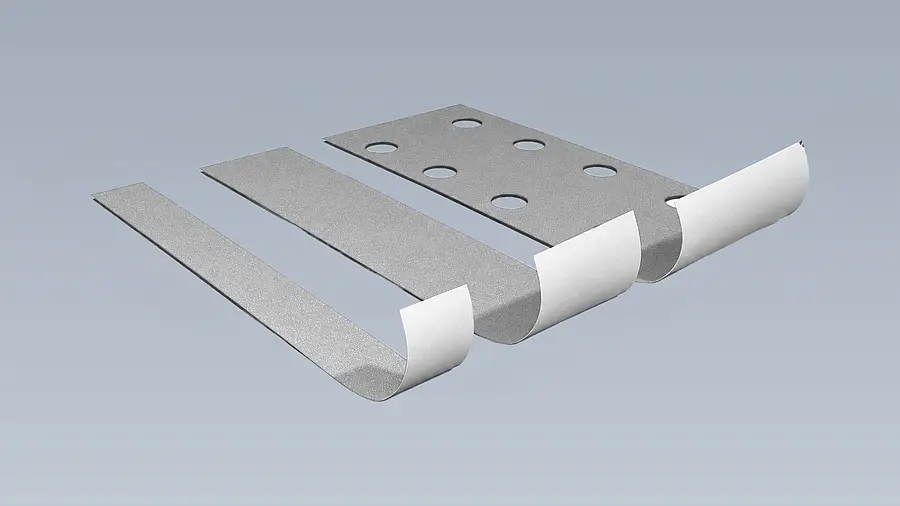
Abrasive strips
We produce elongated abrasive shapes in the required contour. They are available on sheets or rolls only with a self-adhesive backing; otherwise, as individual parts. Explore abrasive converting →05
CHECKING SUITABLE STARTING MATERIALS
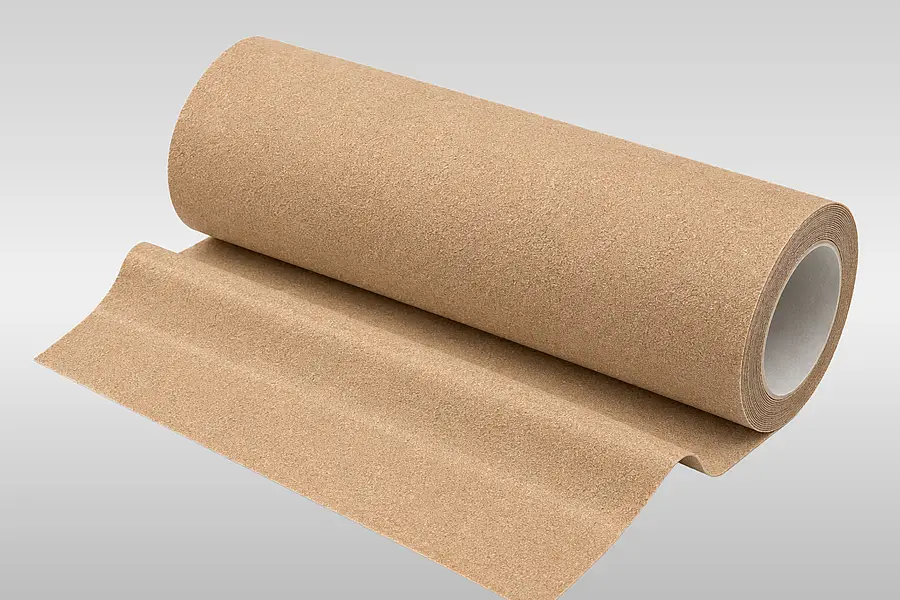
Abrasive paper
Abrasive paper can serve as the starting material for die-cut shapes. We match the backing, grit and die-cut contour to your use. Explore abrasive converting →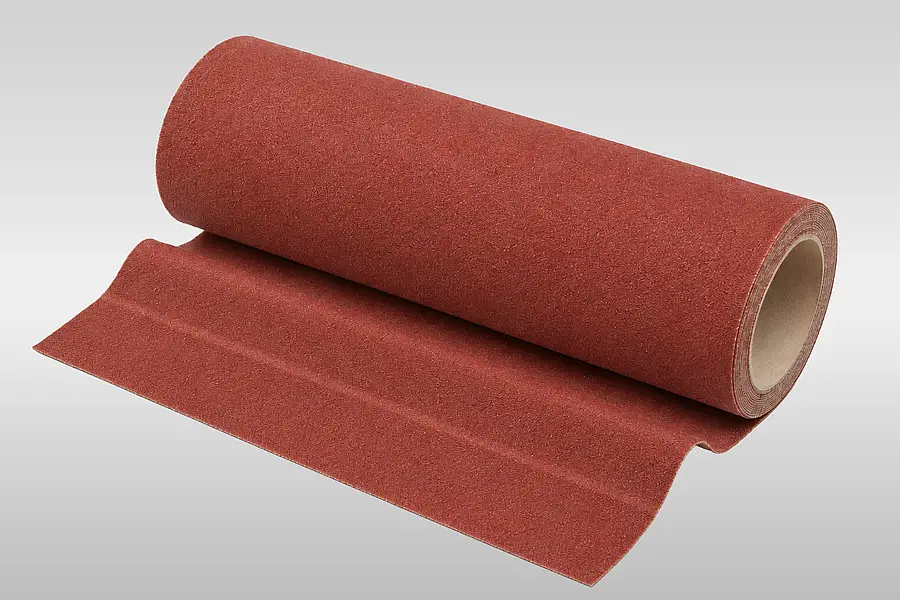
Abrasive cloth
We check which contour and attachment are possible with your abrasive cloth for the sanding process. Explore abrasive converting →06
DIE-CUTTING COATED ABRASIVES
07
GUIDE TO SPECIFYING YOUR DIE-CUT PART
| Criterion | Information required | What it means for production |
|---|---|---|
| Starting material | Coated abrasive, backing and grit | Material suitability is checked for the required contour. |
| Contour | Outer contour, any internal cut-outs and a drawing | The geometry determines the die-cutting method to assess. |
| Attachment | Mounting method and self-adhesive or hook-and-loop attachment | The construction is matched to the handling method. |
| Delivery format | Rolls or sheets only with a self-adhesive backing; otherwise individual parts | We agree the format according to the geometry and application. |
We check the starting material, geometry and construction for your application.
08
DETAILS FOR YOUR ABRASIVE ENQUIRY
Describe the workpiece, sanding task and desired result. Where possible, state the coated abrasive used so far, its backing and grit, and any existing item designation. A drawing, contour dimensions or a sample makes the shape easier to assess.
Also important are the outer contour and any internal cut-outs, how the die-cut part will be mounted, the required self-adhesive or hook-and-loop attachment, the desired delivery format and the intended handling method. Die-cut parts on rolls or sheets require a self-adhesive backing; without it, we produce individual parts. Tell us your expected demand and any relevant quality requirements. If details are missing, we will clarify them together before deciding on production.
09
FURTHER COMPANY INFORMATION
10
QUESTIONS ABOUT DIE-CUTTING ABRASIVES
Which abrasives can be die-cut?
We die-cut suitable coated abrasives, including abrasive paper, abrasive cloth and film-backed abrasives. Whether a particular material suits the required contour depends, among other things, on its backing, geometry, attachment and application. We assess this combination using the information you provide and, where necessary, a sample. Tell us which abrasive you use, the required shape and the intended attachment.
Are internal cut-outs possible in die-cut abrasive parts?
Yes, internal cut-outs are possible with suitable coated abrasives. We check which contour can be produced from your material based on the backing, geometry and required construction. A drawing showing the outer and inner contours helps us assess this. We establish whether the required shape can be die-cut for the specific material construction.
Can die-cut abrasives have a self-adhesive or hook-and-loop attachment?
Yes, we can equip suitable coated abrasives with a self-adhesive or project-specific hook-and-loop attachment before die-cutting. The choice depends on your mounting method and application. Die-cut parts on rolls or sheets require a self-adhesive backing; without one, we produce individual parts. Please state the intended attachment and, if available, the abrasive used so far in your enquiry.
In which formats are die-cut abrasive parts supplied?
We supply die-cut abrasive parts on rolls or sheets if they have a self-adhesive backing and the material construction and contour are suitable. Without a self-adhesive backing, we produce individual parts. How you intend to remove and use the parts helps us agree on the delivery format. State the required construction and intended attachment in your enquiry.
What information do you need to assess production?
We need details of the sanding task, the desired result, the coated abrasive and how the shaped part will be mounted. A drawing or sample showing the contour and dimensions, the required attachment and delivery format, and the expected demand are helpful. Tell us about any quality requirements and previous difficulties so that we can assess the material and production method accordingly.
Enquire about die-cut abrasive parts
Send us your contour, the intended abrasive and details of how the part will be mounted. We will work with you to determine which construction suits your application.

ADVICE ON DIE-CUT ABRASIVE PARTS
Jürgen Müller
Contact for converting
Jürgen Müller helps you select the abrasive, contour and construction for your application.