

FOAM CONVERTING
Foam Processing for Application-Specific Shaped Parts
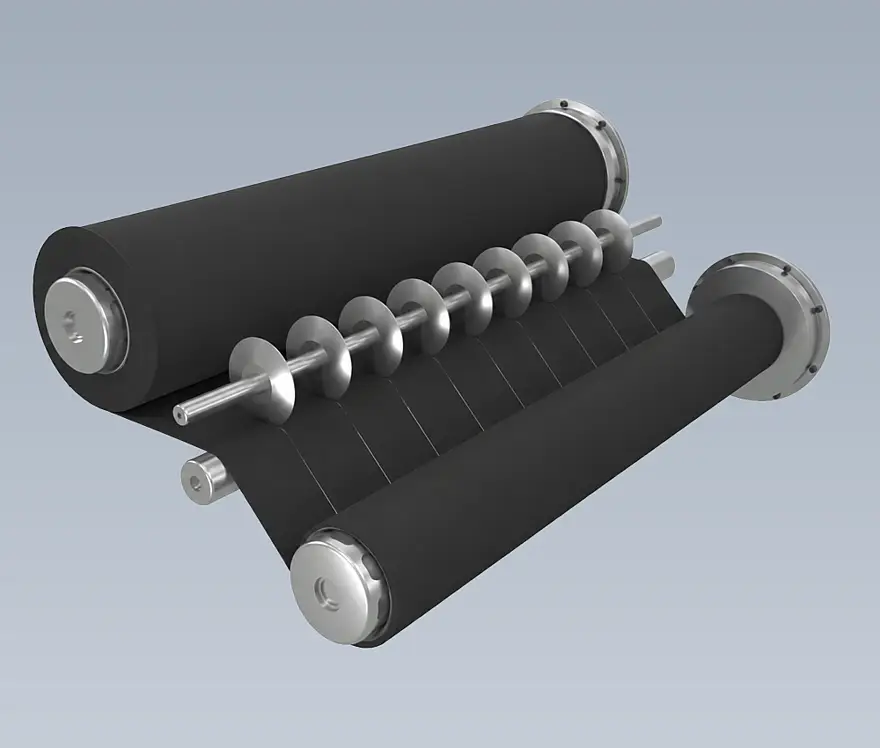
Krückemeyer processes suitable foams into the required dimensions, contours and delivery formats. We assess the starting material, application and handling with you and select the appropriate production method.
01
FOAM AS A STARTING MATERIAL
Turning foam into a practical form
Foam processing means adapting suitable starting material to the application: webs are cut to size, contours are die cut or, where suitability has been verified, laser cut. Laminating or adding an adhesive layer can combine foam with other layers to form a composite.
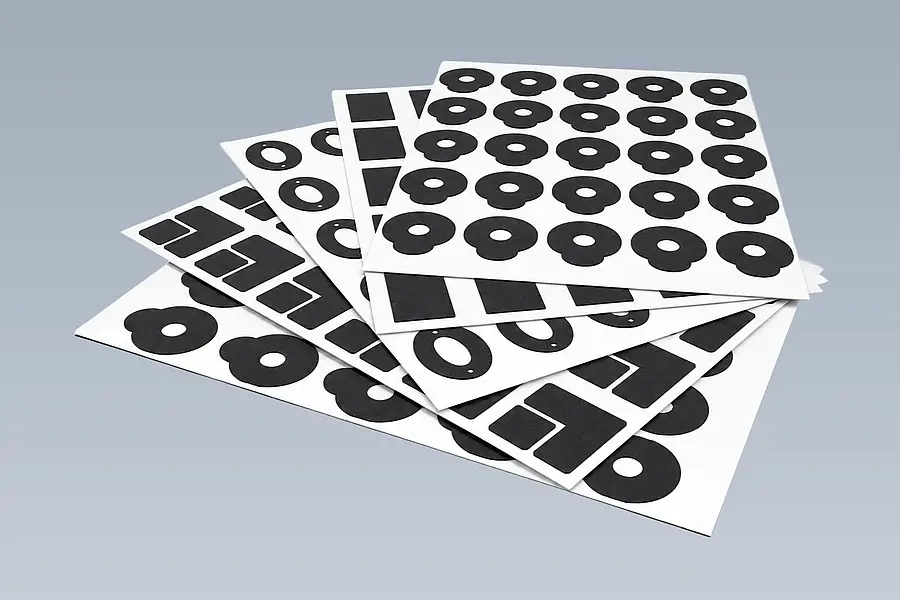
The result depends on the component, its geometry and your processing method. Options include cut webs and shaped parts supplied on rolls, on sheets or as individual pieces. We assess whether a particular material combination, contour and delivery format is feasible using the specific starting material and requirements.
PE and PU foam as well as EPDM cellular rubber are among the starting materials we process. We assess whether a particular method is suitable in each case based on cut quality, dimensions and the required function. Any proposed layer structure is also part of this assessment.
02
From enquiry to an individual product solution
Step 01
Clarify the application and starting material
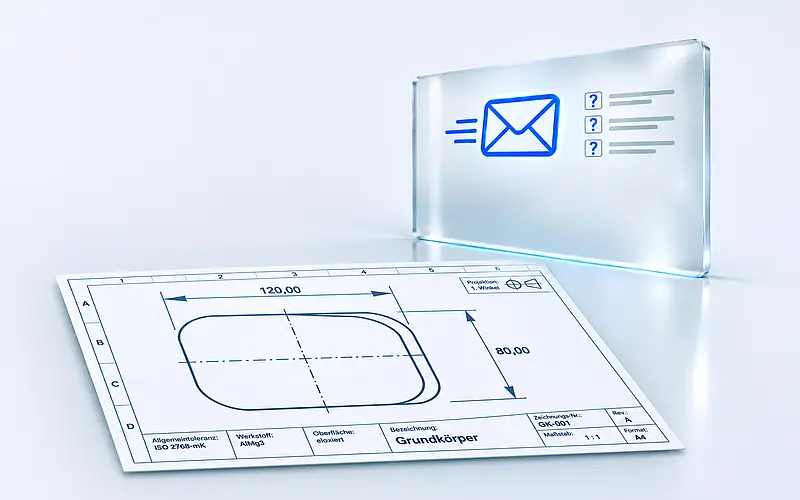
Tell us the required function, foam and delivery format. A drawing or sample helps us assess your requirements.

Step 02
Assess feasibility
We assess the material, layer structure, dimensions and contour. This shows whether cutting, die cutting, laser cutting or laminating is suitable.

Step 03
Agree on the specification
We agree on processing and handling, including any adhesive layer and supply on rolls, on sheets or as individual pieces.
Step 04
Convert and supply
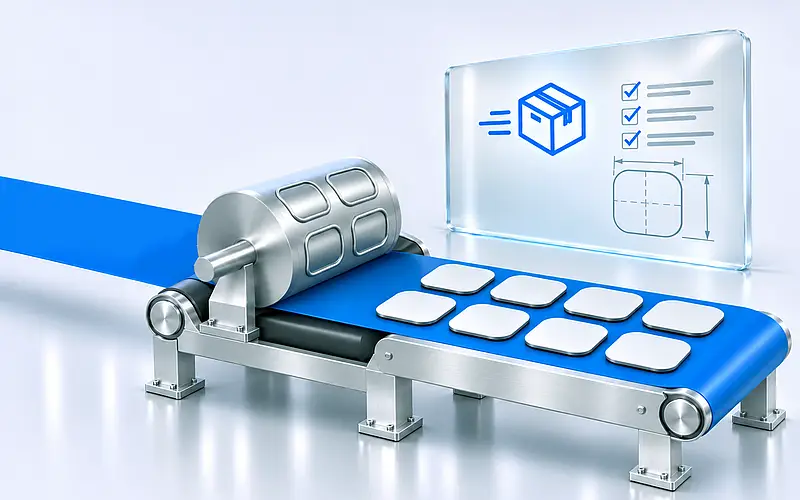
Once the specification has been agreed, we produce the foam part and supply it in the agreed delivery format.
03
PROCESSING METHODS FOR FOAM
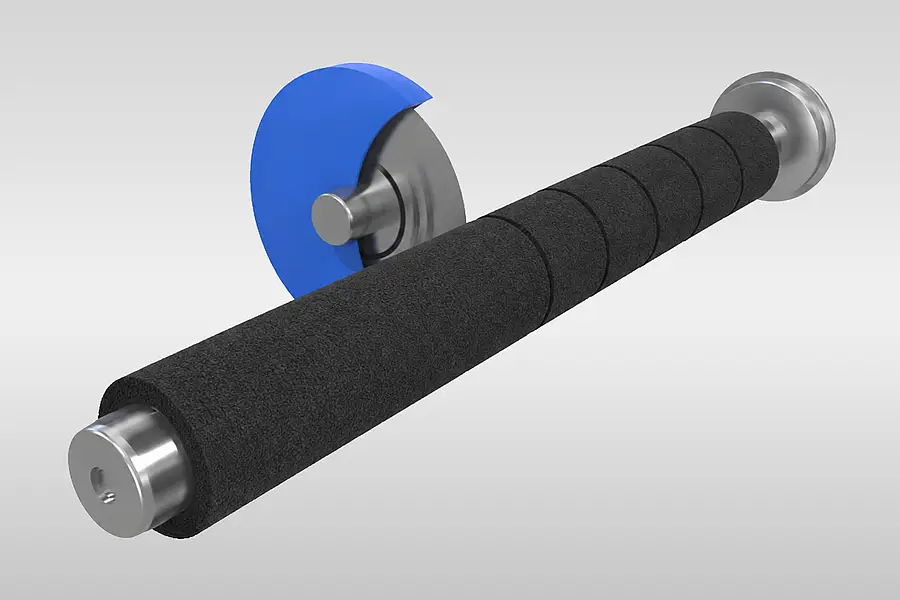
Cutting foam
Cuttable webs are given the agreed width or dimensions. The size, material and subsequent handling determine the specification. Explore foam cutting →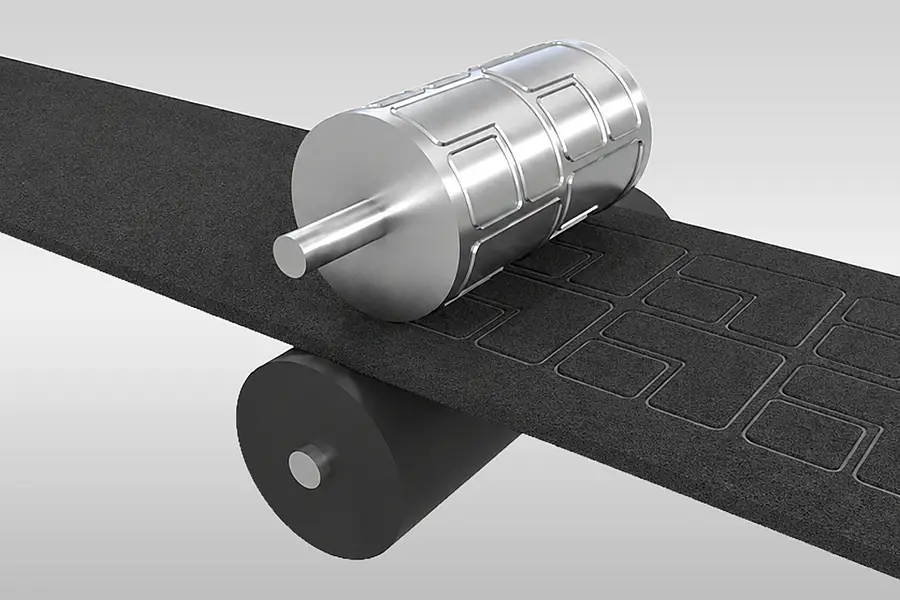
Die cutting foam
Suitable foams are die cut into defined contours and shaped parts. Layer separation and delivery format are agreed to suit the application. Explore foam die cutting →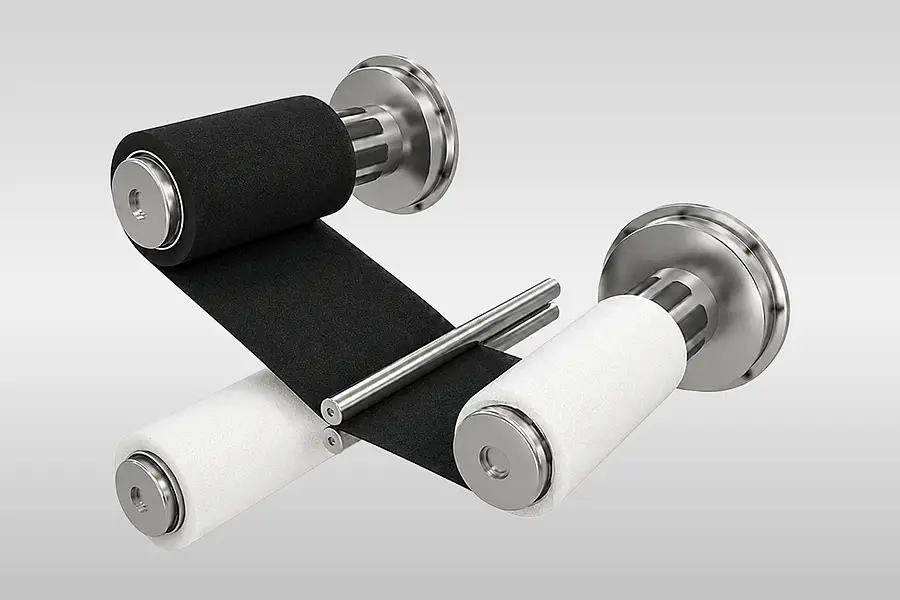
Laminating foam
Foam can be combined with an adhesive layer or another suitable material. The required structure is specified for each project.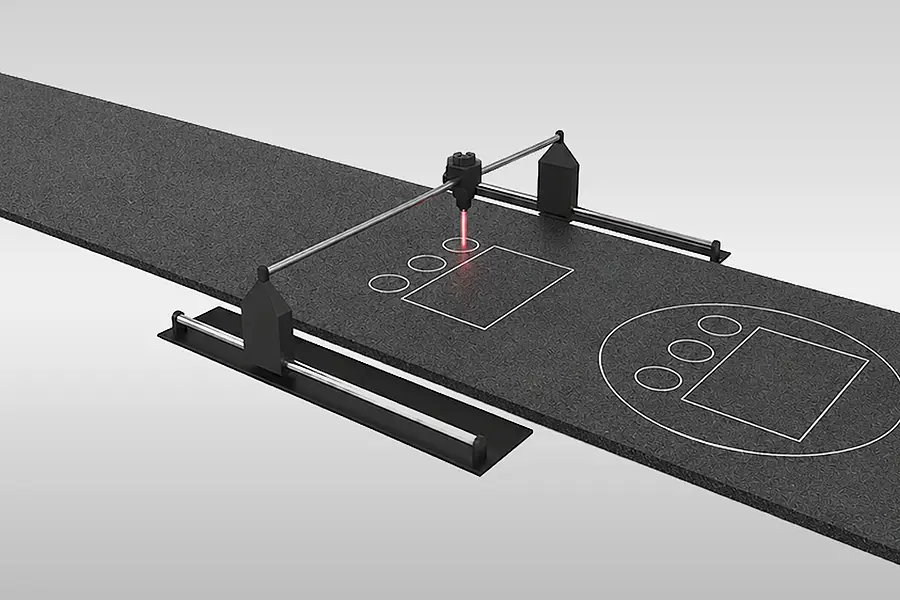
Laser cutting foam
Contours can be produced in laser-compatible material without a shape-specific die cutting tool. Material suitability and heat input must be assessed first. Explore foam laser cutting →04
POSSIBLE FOAM FORMATS
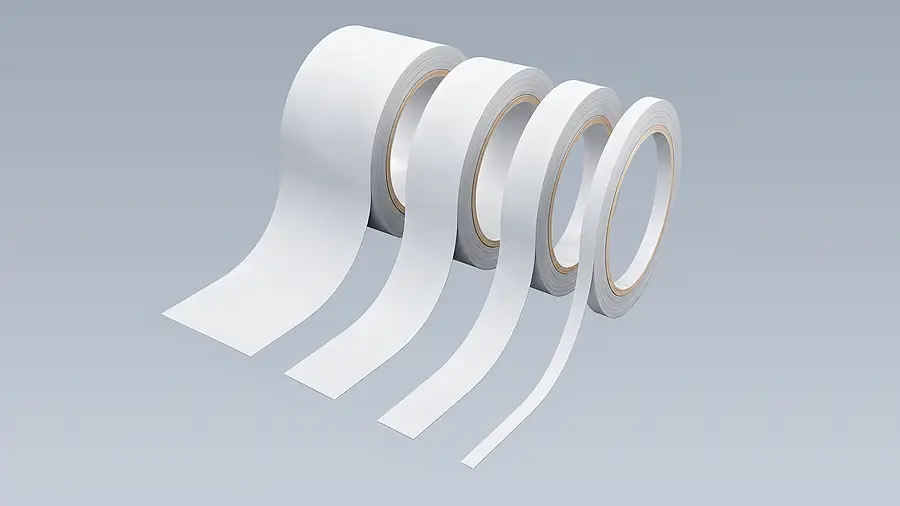
Cut webs
A foam web cut to size for the agreed further processing. The cut and winding depend on the material and handling requirements. Assess cutting →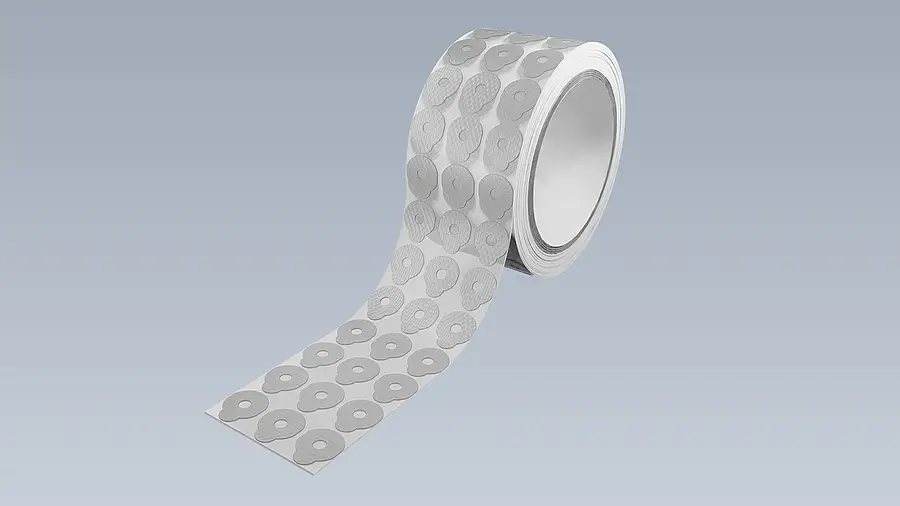
Contoured shaped parts
Die-cut foam parts can be supplied on rolls, on sheets or as individual pieces to suit handling requirements. Assess die-cut parts →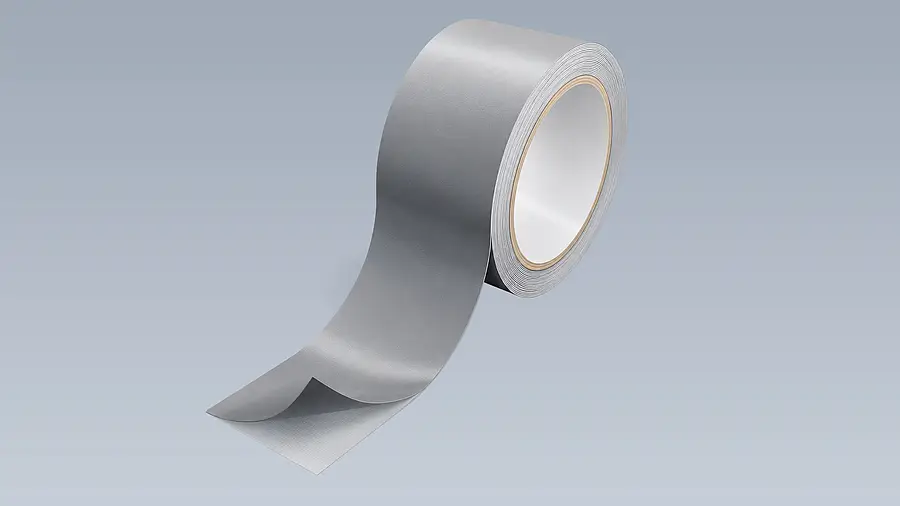
Self-adhesive composite
A suitable foam starting material can be given an adhesive layer and then converted further.05
Processable foam materials
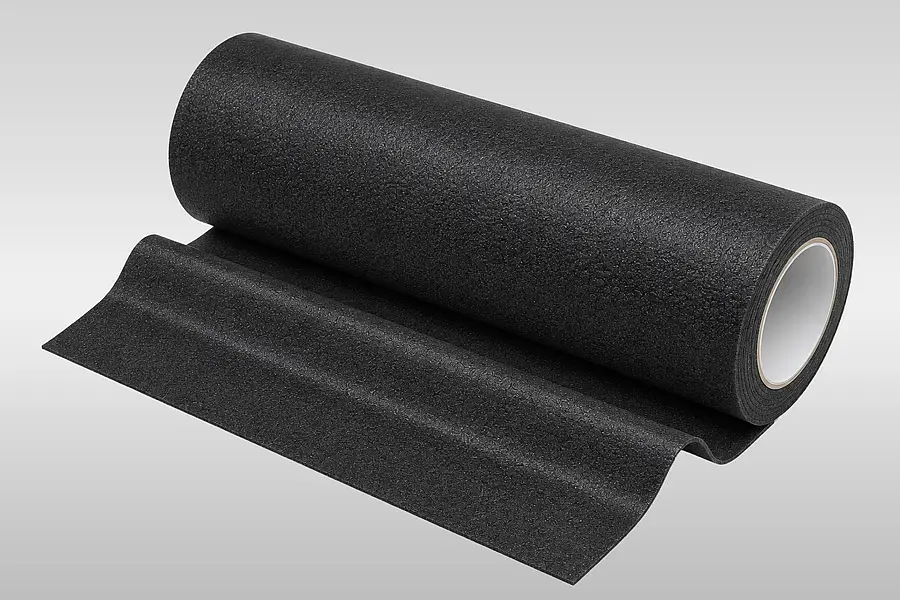
PE foam
We process PE foam according to the geometry and required specification. We assess which processing method is suitable. Explore cutting →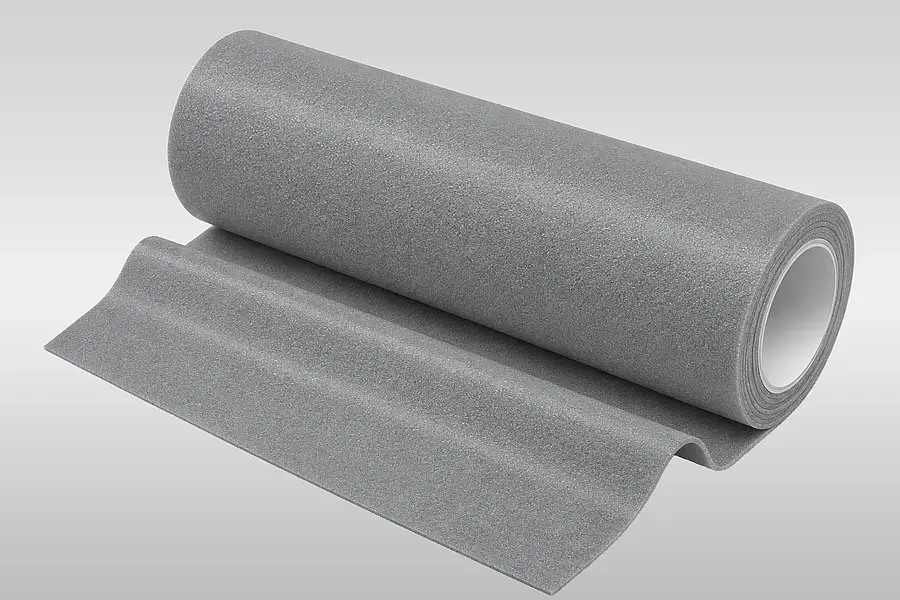
PU foam
PU foam is also an option as a starting material. We assess the contour, structure and application before choosing a production method. Explore die cutting →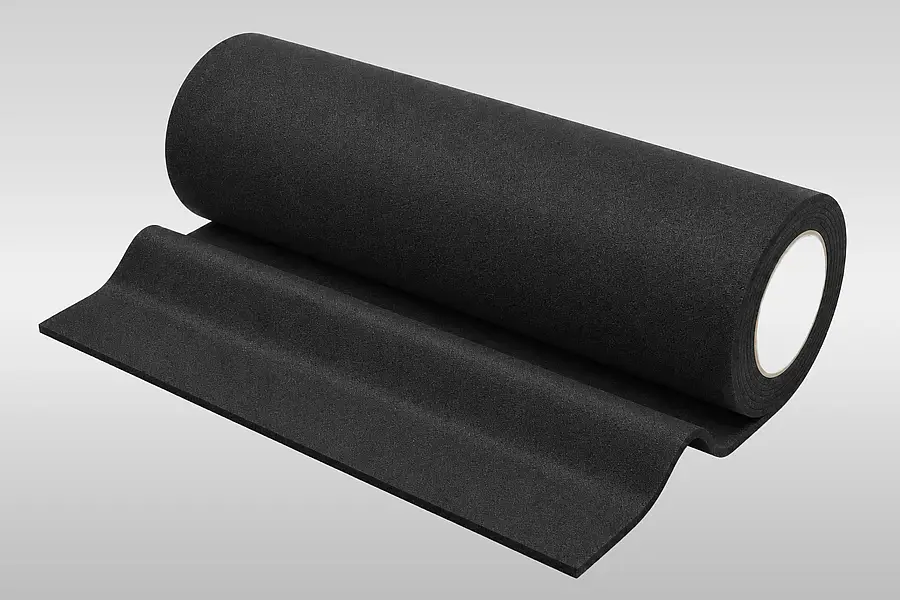
EPDM cellular rubber
EPDM cellular rubber is also an option as a starting material. We assess which method is suitable for the specific material. EPDM processing →06
FOAM DURING PROCESSING
07
WHICH PROCESSING METHOD FITS?
| Processing method | Key assessment | Possible result |
|---|---|---|
| Cutting | Cut quality, dimensions and windability | Cut web |
| Die cutting | Contour, material thickness and layer structure | Shaped part on a roll or sheet |
| Flatbed die cutting | Material suitability; maximum processing thickness approx. 10 mm for foam, depending on the material | Die-cut foam shaped part |
| Laminating | Material combination and adhesive layer | Material composite |
| Laser cutting | Laser compatibility, contour and heat input | Contoured part |
Assess suitability for each project
08
DETAILS FOR YOUR FOAM ENQUIRY
Describe the application and the intended function of the part. Specify the starting material or provide a sample; details of the material type, layer structure and any adhesive layer are helpful.
To assess your request, we need the required dimensions and contour, the delivery format on rolls, on sheets or as individual pieces, and the planned quantity. A drawing or sketch and information on manual or automated processing make it easier to discuss the options.
09
FOAM AND CONVERTING
10
QUESTIONS ABOUT FOAM PROCESSING
Which foams can be processed?
We process PE and PU foam as well as EPDM cellular rubber. The specific material and required processing method are decisive. For foam processing, we therefore assess the material structure, dimensions, contour and application before confirming a specification.
When does die cutting make more sense than laser cutting?
That depends on the material, geometry and required specification. Die cutting shapes suitable foams using a tool; laser cutting is only an option for laser-compatible material and avoids a shape-specific die cutting tool. Heat input and cut quality must also be assessed for laser cutting. The right choice can only be made from your drawing and the starting material.
Can foam be given an adhesive layer?
Yes, suitable foam can be combined with an adhesive layer by laminating. A multilayer structure is also possible. The appropriate adhesive layer, the side to which it is applied and the subsequent delivery format depend on the application, surface and handling.
In what form are foam parts supplied?
Depending on processing and handling, supply on rolls, on sheets or as individual pieces is possible. Die-cut parts can be arranged on a backing; fully die-cut parts can be supplied individually. For foam processing, we agree on the delivery format together with the geometry and application process.
What information helps with a production enquiry?
A drawing, sketch or sample makes assessment easier. Please also specify the application, starting material, layer structure, dimensions, required contour, delivery format and quantity. If the part needs an adhesive layer or will be processed in an automated process, include that requirement in your enquiry.
Convert foam for your application
Send us the starting material, required contour and delivery format. We will assess the appropriate processing method with you.

FOAM PROCESSING ADVICE
Thomas Klein
Contact for converting
Discuss the material, contour and suitable delivery format for your application with Thomas Klein.