

FLATBED DIE CUTTING · CONVERTING
Flatbed die cutting: produce shaped parts
Flatbed die cutting produces shaped parts from suitable starting materials. Together with you, we clarify the contour, material structure and delivery format for a die-cut part suited to your application.
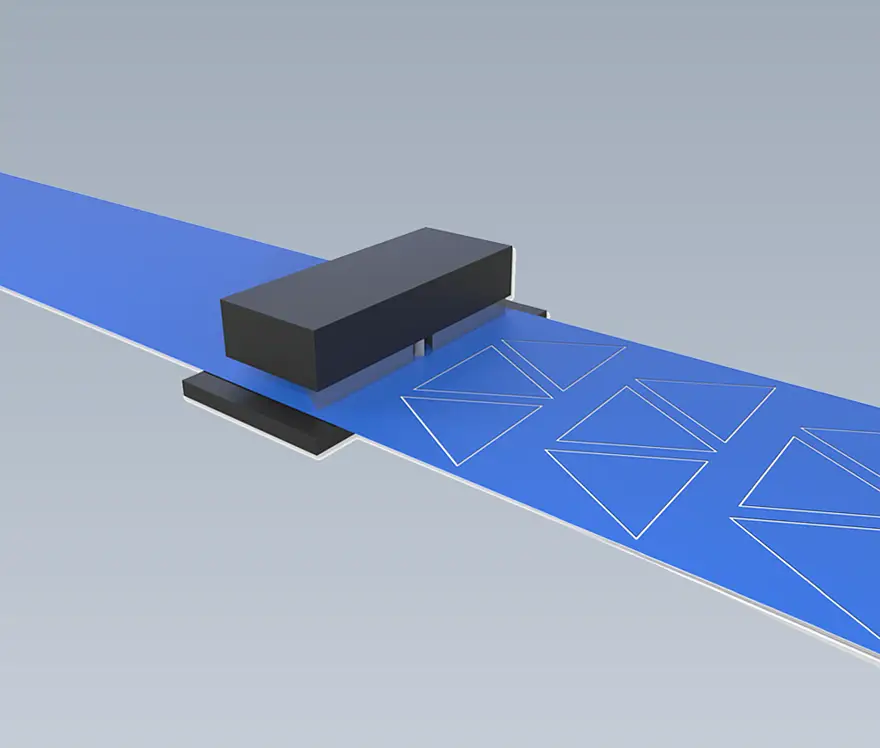
580 x 580 mm
maximum die-cut part dimensions, depending on material
approx. 2 mm
guide value for webs and internal radii
01
FLATBED DIE CUTTING
How flatbed die cutting turns starting material into shaped parts for your application
In flatbed die cutting, a shaped tool cuts the required contour into suitable starting material. The outer shape alone is not decisive: internal contours, material structure and the intended separation of layers also determine the design.
Adhesive tape, technical film, foam or suitable composites can be made into die-cut parts that suit the component and application. We determine whether the part remains on a backing or is completely separated based on your handling process. Depending on the material, flatbed die-cut parts up to 580 x 580 mm are possible. We assess feasibility for dimensions near the limits in particular.
02
FROM DRAWING TO DIE-CUT PART
Step 01
Clarify the application and contour
Tell us about the component, required result, material structure, dimensions and quantity. A drawing or sample helps us assess the request.
Step 02
Assess the material and process
We assess the geometry, layer separation and handling. Material-dependent limits and possible delivery formats inform the selection.
Step 03
Agree on the design
If needed, we coordinate trial production and a prototype with you. You test the result in your application and approve it.
Step 04
Produce the die-cut parts
Once approved, the agreed design is produced. Whether the parts are supplied on sheets, on rolls or individually depends on the project.
03
CONTOUR AND LAYER SEPARATION
Inner and outer contours
The shape and internal cut-outs are designed based on the drawing and a suitable material structure. Webs and internal radii must be assessed for the material. Die cutting at a glance →Layer-by-layer die cutting
In multilayer structures, individual layers, including the liner, can be processed selectively. The required separation is defined before production. Understand kiss cutting →04
POSSIBLE DIE-CUT PARTS
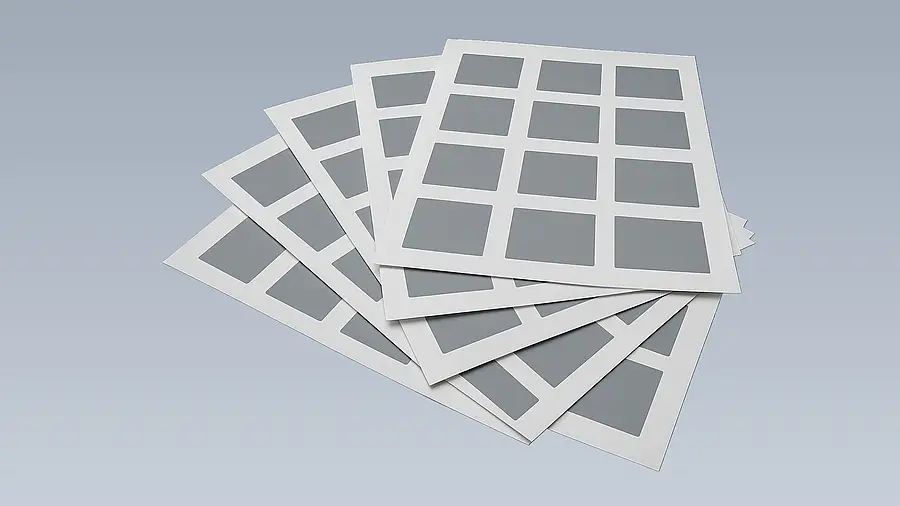
Die-cut parts on sheets
Shaped parts can be supplied on sheets with a silicone paper backing. This is one possible design when the arrangement and manual removal suit the process. Enquire about sheet formats →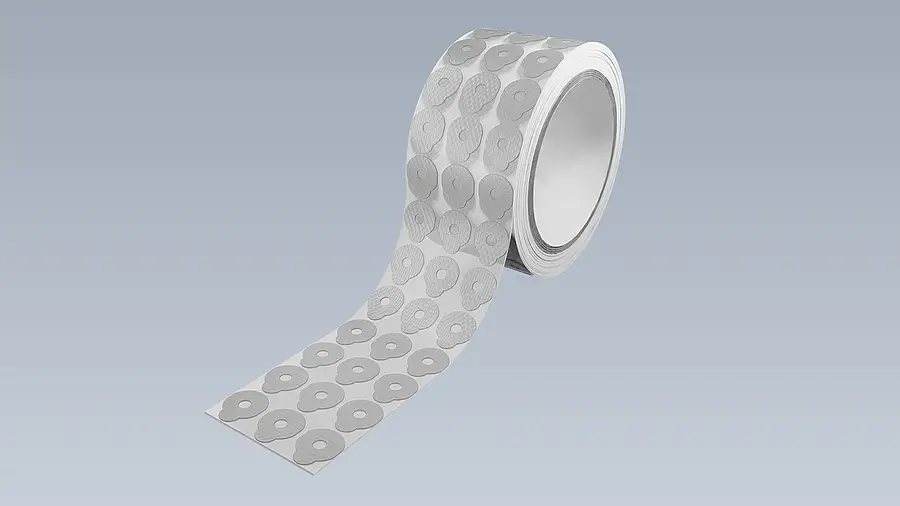
Die-cut parts on rolls
Suitable shaped parts can be supplied on rolls. Their arrangement depends on the material, geometry and planned removal or application. Enquire about roll formats →05
SUITABLE STARTING MATERIALS
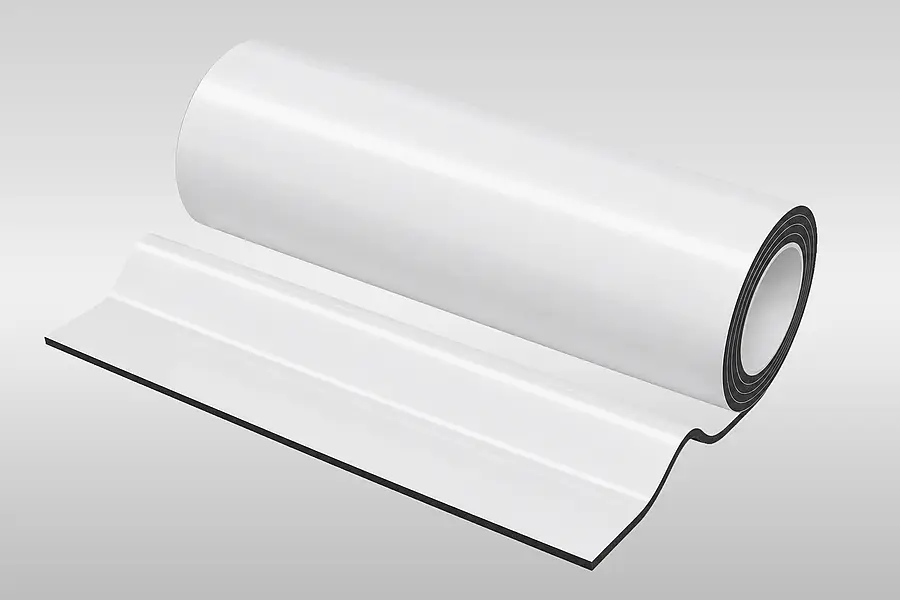
Adhesive tapes
Paper, nonwoven, fabric, foam, acrylic foam and film adhesive tapes can be considered for die-cut parts. We assess whether the specific material structure and contour can be die cut. Die-cut adhesive tape →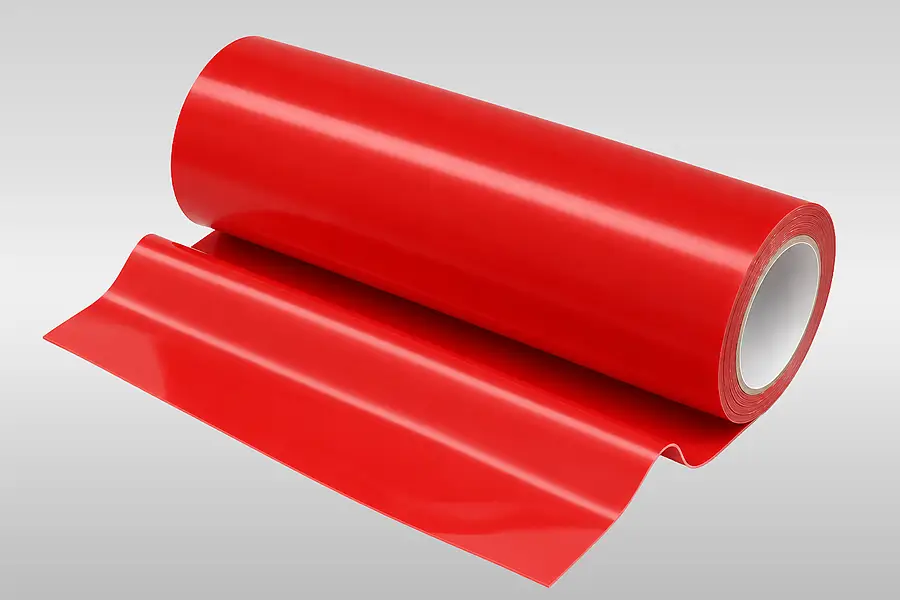
Technical films
Suitable technical films can be processed individually or as part of a composite. The carrier, thickness and required contour must be assessed for feasibility. Die-cut films →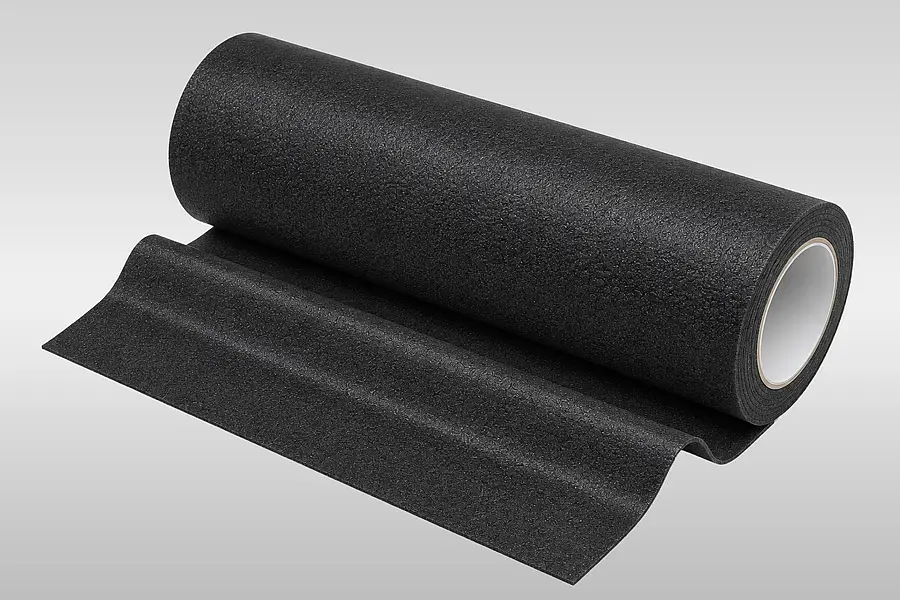
Foams
Suitable foams can be die cut in a flatbed process. Depending on the material, thicknesses of up to 10 mm are possible. Die-cut foam →06
FLATBED CUTTING AND DELIVERY FORMATS
07
DETAILS FOR YOUR FLATBED DIE-CUTTING ENQUIRY
Describe the application and the result required for the component. Specify the starting material or material structure, outer and inner contours, dimensions, required layer separation, quantity and the intended removal or application method.
A drawing, a sample and any available technical data sheets help us assess the request. Let us know whether you need die-cut parts on sheets, on rolls or as individual pieces. For dimensions near the limits, we assess the material, geometry and design individually.
08
FREQUENT QUESTIONS ABOUT FLATBED DIE CUTTING
Which materials are suitable for flatbed die cutting?
Suitable adhesive tapes, technical films, foams and material composites can be used as starting materials. The material name alone does not guarantee that it can be processed: the carrier, layer structure, thickness, contour and required delivery format all affect whether die cutting is feasible. Depending on the material, foams up to 10 mm thick may be suitable for flatbed die cutting. We therefore assess the specific material together with the geometry and handling requirements for your application.
How large can flatbed die-cut parts be?
Depending on the material, flatbed die-cut parts can measure up to 580 x 580 mm. A guide value starts at approximately 3 x 3 mm; this is not a guaranteed minimum size. Webs and internal radii also depend on the material. Long, narrow strips can be offered on sheets or rolls. The key factors are the combination of material, contour, structure and required design, which we assess from your drawing.
When do die-cut parts remain on a backing?
Die-cut parts can remain on a backing if this makes sense for removal, transport or application. Kiss cutting refers to the intended separation of layers; in multilayer structures, liners can also be processed in different ways. Whether the parts are supplied on sheets or rolls is a separate decision. Please specify which layers should be separated and how the parts will later be picked up.
What details should a flatbed die-cutting enquiry include?
For an initial assessment, tell us about the application, the required result, the starting material, dimensions and quantity. Add a drawing or sample of the contour if available. The layer structure, required separation, removal method and subsequent application are also important. With this information, we can discuss flatbed die cutting, a possible delivery format and, if needed, a trial with you.
Enquire about flatbed die-cut parts for your application
Send us material details and a drawing or sample. We will assess the contour, layer separation and delivery format with you.

FLATBED DIE-CUTTING ADVICE
Thomas Klein
Contact for converting
Discuss the material structure, contour and required delivery format for your die-cut part with Thomas Klein.